


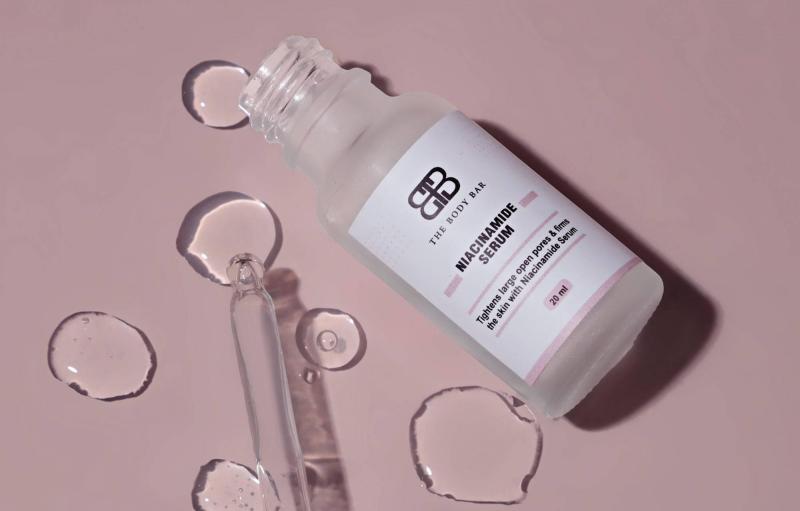
Niacinamide, also known as Vitamin B3, has become one of the most popular ingredients in skin care products. Suitable for most skin types, including sensitive skin, it can be easily combined with other ingredients for enhanced results.
Research suggests that regular use of niacinamide improves skin appearance and boosts overall skin health, with a lower risk of irritation compared to some other active ingredients.
What is Niacinamide?

Niacinamide is a water-soluble form of Vitamin B3, commonly found in serums, creams, and various skincare products.
It supports the skin's natural functions and enhances the protective barrier, helping the skin retain moisture and resist external factors.
Benefits of Niacinamide for the Skin
1. Oil Production Regulation
Niacinamide helps reduce excess oil production, making it a suitable choice for oily and combination skin types. It may also help reduce skin shine with regular use.
2. Minimizing the Appearance of Pores
Though niacinamide doesn't actually shrink pore size, it can make pores appear less noticeable by improving skin elasticity and regulating sebum production.
3. Even Skin Tone and Pigment Reduction
Niacinamide helps reduce the transfer of melanin within the skin, aiding in the reduction of:
- Dark spots
- Acne marks
- Uneven skin tone
- Sun-induced pigmentation
4. Strengthening the Skin Barrier
It stimulates the production of ceramides, natural fats that strengthen the skin’s protective barrier, reducing water loss, and maintaining hydration.
5. Acne Treatment Support
With its anti-inflammatory properties, niacinamide can help soothe acne, reduce redness, and minimize skin irritation, particularly when used in a comprehensive skin-care routine.
6. Reducing Signs of Aging
Routine use improves skin elasticity and diminishes the appearance of fine lines and wrinkles, giving skin a more refreshed look.
Selecting the Right Concentration
The appropriate concentration depends on skin type and needs:
- 2% - 5% for sensitive and dry skin: provides hydration, strengthens the skin barrier, and offers mild brightening effects.
- 5% - 10% for normal, combination, and oily skin: regulates oil, reduces pores, and lightens pigmentation.
Higher concentration does not always equate to better results; lower concentrations may suffice for most individuals.
How to Use Niacinamide
For best results:
- Cleanse the face with a suitable cleanser.
- Apply a few drops of niacinamide serum.
- Use an appropriate moisturizer.
- Apply sunscreen with suitable SPF in the morning.
Niacinamide can be used once or twice daily according to product instructions and skin tolerance.
Can Niacinamide Be Combined with Other Ingredients?
Yes, niacinamide works well with:
- Hyaluronic acid for added hydration.
- Retinol to combat aging signs.
- Exfoliating acids, with attention to skin tolerance.
- Vitamin C, as modern formulations often allow combination usage without issues, provided the skin can tolerate both.
Is Niacinamide Suitable for All Skin Types?
Niacinamide is one of the gentlest ingredients, making it suitable for:
- Oily skin
- Combination skin
- Dry Skin
- Sensitive skin
- Acne-prone skin
However, it may cause irritation in some individuals; it is recommended to patch-test the product on a small skin area before regular use.
Tips for Optimal Results
- Use the product consistently.
- Avoid over-application of active products simultaneously.
- Moisturize daily.
- Use sunscreen daily.
- Opt for reliable brand products.
Conclusion
Niacinamide is among the best skin care ingredients due to its myriad benefits. It helps regulate oil production, minimize pore appearance, even out skin tone, and support the natural skin barrier. Additionally, it soothes inflammation and improves the appearance of wrinkles. With correct and regular use, it can be a key component in the daily skincare routine for most skin types.
Related Articles