


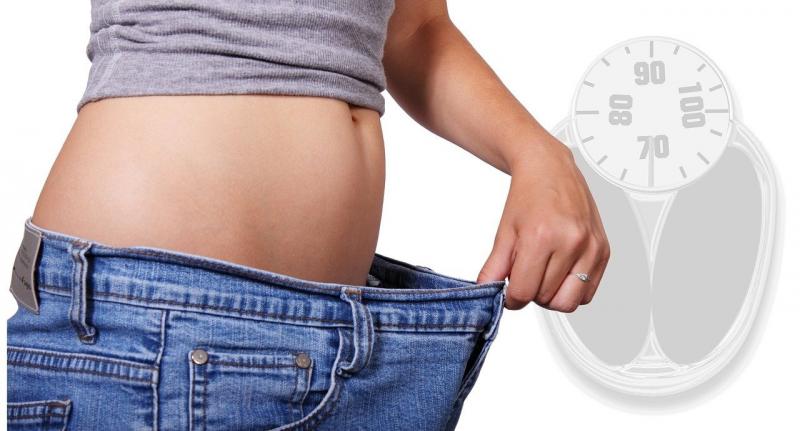
Achieving the goal of losing 5 kilograms in a month is possible for some individuals, especially for those with excess weight. However, the results may vary based on age, gender, current weight, physical activity level, and health status.
Experts emphasize that healthy weight loss depends on achieving a moderate calorie deficit while maintaining a balanced diet and regular physical activity. It is crucial to avoid resorting to harsh diets or quick-fix methods that could be detrimental to health.
Is It Safe to Lose 5 Kilograms in a Month?
In many cases, losing about 5 kilograms in a month is achievable if the person is overweight and follows a suitable diet and exercise program. For individuals with a normal or near-normal weight, losing this amount in a month can be difficult or inappropriate. It is advisable to set a realistic goal that aligns with each person's health condition.

Reduce Calories Without Deprivation
Weight loss relies on consuming fewer calories than the body burns, but this doesn't mean abstaining from food or following extreme diets. It's better to reduce foods high in sugars, saturated fats, and sweetened drinks, focusing on balanced meals that meet nutritional needs and help maintain satiety for longer periods.
Focus on Protein in Every Meal
Protein helps increase the feeling of fullness and reduces muscle loss during weight loss. The body also requires more energy to digest protein compared to some other nutrients. Protein sources include chicken, fish, eggs, legumes, Greek yogurt, and low-fat dairy products.
Increase Vegetables and Fiber
Vegetables play a significant role in weight loss as they are low in calories and high in fiber, helping to maintain a feeling of fullness. Additionally, fruits, whole grains, and legumes contribute to better digestion and reduce the desire for unhealthy snacks.
Cut Down on Sugar and Sweetened Beverages
Soda, sweetened juices, and desserts are major sources of empty calories that might not provide a sense of fullness. Replacing them with water or unsweetened drinks can considerably reduce overall daily calorie intake.
Exercise Regularly

Physical activity helps increase energy expenditure and improve overall fitness. It supports maintaining muscle mass during weight loss. It is recommended to engage in at least 150 minutes of moderate aerobic exercise weekly, such as brisk walking, cycling, or swimming, along with resistance training two to three times a week.
Ensure Adequate Sleep
Lack of sleep can lead to increased appetite and cravings for high-calorie foods and may affect the hormones regulating hunger and satiety. It is advised to get 7 to 9 hours of sleep daily to support the weight loss process.
Drink Enough Water
Drinking water helps keep the body hydrated and may reduce food intake for some people if consumed before meals. It is also crucial to replace high-calorie drinks with water as much as possible.
Regularly Monitor Your Progress
It is preferable to weigh yourself once a week at the same time and under the same conditions, along with tracking waist circumference or noticing changes in clothing sizes, as weight can be affected by temporary factors like water retention.
Common Weight Loss Mistakes
Many individuals make mistakes that can hinder their progress, such as skipping meals, relying on extreme diets, overeating healthy foods, or not engaging in regular physical activity. Unrealistic expectations can also lead to disappointment, so it's better to focus on building sustainable healthy habits.
Sample Healthy Daily Meal Plan
A day can start with a breakfast of eggs with whole-grain bread and vegetables, and a snack of fruit or a handful of unsalted nuts. Lunch could include a protein source like chicken or fish with a large salad and moderate amounts of brown rice or boiled potatoes. Dinner could consist of a salad with tuna, Greek yogurt, or low-fat cheese.
When to Consult a Doctor?
If you have chronic illnesses like diabetes, heart disease, or thyroid disorders, or if you are taking medications that might affect your weight, it is best to consult a doctor or nutritionist before starting any weight-loss program. It is also recommended to see a specialist if you see no change in weight despite maintaining a healthy lifestyle for a reasonable period.
Also See: