


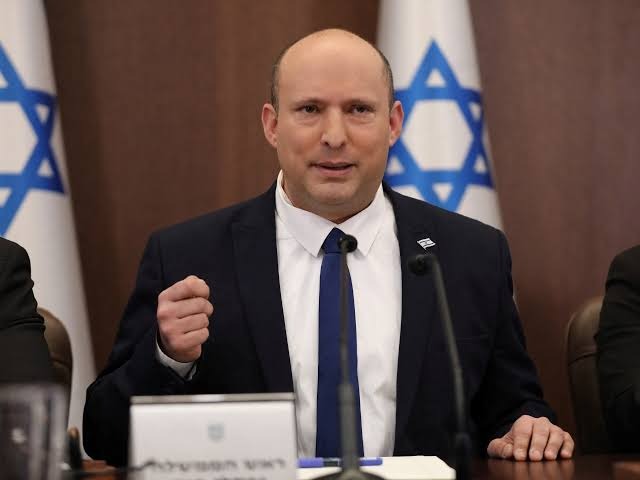
The diplomatic exchange between Qatar and former Israeli Prime Minister Naftali Bennett has intensified, following Bennett's threat to label Doha a 'hostile state' if he returns to power. This provoked an official response from Qatar.
The Qatari Embassy in Washington issued a statement saying Bennett's statements contain 'misleading information' aimed at serving his internal political agenda. The embassy stressed that Qatar's regional role is to support mediation efforts and enhance stability, not 'fund terrorism,' as alleged in Bennett's comments.
The statement added that Doha has played a pivotal role in achieving several ceasefire agreements and has contributed to securing the release of Israeli captives through its mediation efforts, coordinated with international partners.
In response, Bennett escalated his rhetoric, accusing Qatar of being 'responsible for the October 7 attack' and insisted that his stance remained unchanged. He vowed to officially designate Qatar as a 'hostile state' if he retakes office.
This exchange occurs as Qatar continues its role as a mediator in negotiations concerning the war in Gaza, in coordination with the US and Egypt—a role lauded by international parties but criticized by some Israeli politicians regarding Doha’s relations with Hamas.
Similarly, in March 2026, the Israeli Knesset rejected a bill proposed by opposition leader Yair Lapid to label Qatar as a 'hostile state' to Israel, with 28 votes in favor and 45 against.