


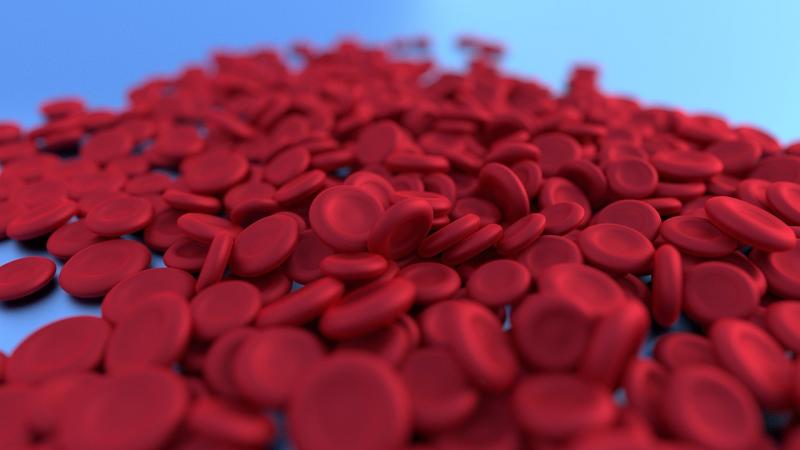
Women’s bodies require an adequate amount of iron and other nutrients to produce red blood cells that transport oxygen throughout the body. When these nutrients are deficient or there is continuous blood loss, hemoglobin levels can decrease, leading to a condition known as anemia.
Women are more prone to anemia due to factors inherent in their physiology, such as menstrual blood loss and increased iron requirements during pregnancy, as well as dietary habits and health issues affecting nutrient absorption.
Causes of Anemia in Women
Iron Deficiency
Iron deficiency is the most common cause of anemia in women. The body needs iron to produce hemoglobin in red blood cells that carry oxygen to tissues. Iron deficiency may result from inadequate intake of iron-rich foods or prolonged iron loss from the body, presenting symptoms like fatigue, poor concentration, and hair loss.
Heavy Menstrual Cycles
Heavy menstrual bleeding is a major cause of anemia among women, especially during reproductive years. Monthly blood loss leads to iron depletion, which, if persistent, hampers the body’s ability to replenish lost iron.
Heavy periods might be linked to hormonal imbalances, uterine fibroids, or conditions affecting the uterine lining, necessitating medical evaluation for women experiencing severe menstruation.
Pregnancy
During pregnancy, women require more iron due to increased blood volume and the needs of the growing fetus and placenta. Without adequate iron or folic acid intake, anemia may occur. Regular monitoring and blood tests are crucial during pregnancy for this reason.
Malnutrition
A poor diet lacking in essential nutrients can hinder the production of red blood cells, increasing anemia risk. The body needs iron, vitamin B12, folic acid, and protein sources to maintain healthy blood production. Diets lacking these nutrients may adversely affect women’s health over time.
Vitamin B12 Deficiency
Vitamin B12 is crucial for red blood cell formation and nervous system health. Its deficiency can result in a type of anemia called megaloblastic anemia, caused by insufficient dietary intake or absorption issues in the digestive system.
Folic Acid Deficiency
Folic acid is vital for red blood cell production and is especially important during pregnancy for fetal growth. Deficiencies can impact blood cell production, leading to anemia, making monitoring levels important for pregnant women or those planning pregnancy.
Blood Loss from Health Issues
Blood loss in women is not limited to menstruation. It can result from health conditions causing internal bleeding or continuous blood loss, such as gastrointestinal bleeding, stomach ulcers, or intestinal diseases. Even minor but persistent bleeding can deplete iron stores over time.
Chronic Diseases
Certain chronic diseases can impair red blood cell production, leading to anemia. These include chronic kidney disease, long-term infections, and autoimmune disorders, where treatment may involve addressing both the underlying disease and anemia.
Symptoms of Anemia in Women
Persistent Fatigue and Exhaustion
Fatigue and exhaustion are among the most common symptoms of anemia in women, caused by low hemoglobin levels that reduce oxygen delivery to cells, leading to tiredness even after sufficient rest or sleep.
Pale Skin
Low hemoglobin can make skin appear pale, particularly noticeable in the face, lips, and inside the eyelids. Pale skin often accompanies other symptoms like fatigue and dizziness, signaling potential anemia.
Dizziness and Headache
Women with anemia might experience dizziness or frequent headaches due to reduced oxygen reaching the brain, affecting concentration and daily tasks, especially with significant hemoglobin deficiency.
Shortness of Breath
Some anemic women experience shortness of breath as the body compensates for oxygen deficiency by increasing breathing rate, even during simple activities like climbing stairs or walking short distances.
Heart Palpitations
Anemia can make the heart work harder to pump more blood to offset low oxygen levels, potentially causing rapid heartbeat or palpitations.
Hair Loss and Weak Nails
Iron deficiency and anemia may be linked to hair loss and weak growth since iron supports hair follicle health, and nails can become brittle or prone to breaking due to nutrient shortages.
How is Anemia Diagnosed?
Doctors use various tests to identify anemia and its cause, notably the Complete Blood Count (CBC) measuring hemoglobin and red blood cell levels. They may also check iron stores, vitamin B12, and folic acid levels, alongside other tests if bleeding or specific health issues are suspected.
Also See: Avanafil: Is it Faster than Viagra?