



Swelling of the feet is a common health issue that tends to increase with age. This swelling typically arises due to the accumulation of fluids in the lower tissues of the feet and ankles, leading to a feeling of heaviness, discomfort, and sometimes difficulty in movement.
In many instances, the swelling is temporary, often linked to simple factors like prolonged sitting or standing. However, it may also indicate an underlying health issue needing evaluation and treatment. Understanding potential causes and prevention methods aids in effectively managing the condition and avoiding complications.
Why does foot swelling increase with age?
As people age, natural changes occur in blood vessels, muscles, and overall circulation. Veins become less efficient at returning blood from the legs to the heart, and physical activity may diminish, contributing to fluid accumulation in the lower extremities.
Moreover, the prevalence of chronic diseases like heart disease, kidney disease, and diabetes increases among the elderly, all directly associated with foot swelling.
Medical causes of foot swelling in seniors
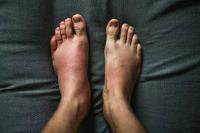
Chronic venous insufficiency
Chronic venous insufficiency is among the most prevalent causes. When the valves in the leg veins weaken, returning blood efficiently to the heart becomes challenging, leading to blood and fluid accumulation in the feet and ankles. The swelling often intensifies during evening hours or after prolonged standing.
Heart failure
If the heart cannot pump blood effectively, the body begins fluid retention, particularly in the legs and feet. Additionally, the swelling may accompany other symptoms like rapid fatigue, shortness of breath, and difficulty performing daily activities.
Kidney diseases
The kidneys play a crucial role in regulating fluid and salt balance within the body. As their function declines, the tendency to retain water and sodium increases. Thus, foot swelling can be an early sign of some chronic kidney diseases.
Liver diseases
The liver helps produce essential proteins that maintain fluid balance within blood vessels. Conversely, liver failure may reduce these protein levels, allowing fluids to leak into tissues and cause swelling.
Deep Vein Thrombosis (DVT)
DVT is one of the most dangerous causes of foot swelling, resulting from blockage of a deep vein in the leg, often causing sudden and painful swelling in one foot. It might also be accompanied by redness or warmth in the affected area, constituting a medical emergency requiring immediate attention.
Diabetes and arthritis
Complications of diabetes can weaken circulation and damage nerves, increasing the likelihood of foot swelling. Joint diseases like osteoarthritis and gout may cause localized swelling in the foot or ankle due to inflammation.
Medications that may cause foot swelling
Swelling can also be a side effect of certain common medications among seniors.
Notable medications include:
- Some blood pressure drugs.
- Calcium channel blockers.
- Corticosteroids.
- Non-steroidal anti-inflammatory drugs.
- Certain hormonal medications.
It's advisable not to stop any medication without consulting a doctor, even if it's believed to be the cause of the swelling.
Lifestyle factors that enhance swelling
Lack of physical activity
Contractions of leg muscles during movement and walking help pump blood towards the heart. However, prolonged sitting or standing results in slow circulation and increased fluid pooling in the feet.
Excessive salt intake
High sodium intake leads the body to retain water, increasing the likelihood of swelling. Thus, reducing processed foods, fast meals, and canned goods rich in salts is recommended.
Weight gain
Obesity adds extra pressure on veins and joints, which can exacerbate foot swelling in seniors.
Prevention methods for foot swelling in seniors
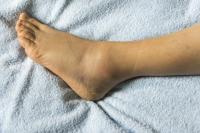
Regularly elevating the legs
Elevating the feet above heart level for 15 to 20 minutes several times a day effectively improves blood return and reduces swelling.
Engaging in walking and light activities
Daily walking and simple ankle exercises stimulate circulation and encourage leg muscles to pump blood more efficiently. Additionally, regular movement contributes to maintaining heart and vascular health.
Using compression stockings
A doctor may recommend medical compression stockings to enhance blood flow and reduce fluid accumulation in the lower limbs. However, selecting the appropriate type per the doctor or vascular specialist's recommendations is essential.
Reducing sodium consumption
Lowering salt intake in food helps limit fluid retention and improve the body's fluid balance.
Regular water intake
Contrary to popular belief, staying hydrated helps the kidneys eliminate excess salts and reduces fluid retention.
Frequent body position changes
It's advisable not to remain seated or standing for long periods while ensuring leg movement approximately every hour.
When is foot swelling serious?
While most swelling cases are not severe, certain symptoms warrant urgent medical attention.
Sudden swelling in one foot
This could indicate a deep vein thrombosis, especially if associated with pain, redness, or warmth in the leg.
Breathing difficulty or chest pain
If swelling accompanies chest pain or breathing difficulty, it may signal a serious cardiac or pulmonary issue requiring emergency care.
Color change in the foot
The skin turning blue or suddenly pale are warning signs needing immediate medical evaluation.
Wounds and sores
The appearance of non-healing wounds or sores on the swollen foot may indicate poor circulation or diabetes complications.
Daily tips for maintaining foot health
To help reduce swelling risk and enhance foot health, consider:
- Checking feet daily.
- Wearing comfortable and appropriate footwear.
- Maintaining a healthy weight.
- Engaging in regular physical activity.
- Monitoring and treating chronic illnesses.
- Adhering to prescribed medications.
In conclusion, foot swelling in seniors is a common problem that may result from simple factors such as reduced movement or excessive salt intake. It may also indicate conditions related to the heart, kidneys, or veins. In cases of sudden swelling or concerning symptoms, consulting a doctor promptly for diagnosis and appropriate treatment is imperative.
See also
Early Breast Cancer Symptoms