


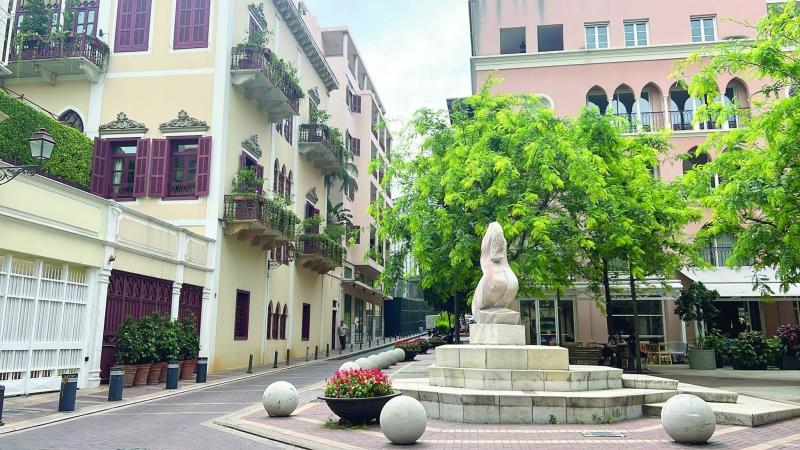
Saifi Village in Beirut is a remarkable example of Lebanese resilience, showcasing the capital's ability to rise from decades of war and destruction. Known today for its cobblestone streets, pastel-colored buildings, and flower-adorned traditional balconies, this neighborhood was not always a haven of tranquility and beauty. It has undergone significant historical transformations that shaped its current identity.
Located in the heart of downtown Beirut, near several key historical and commercial landmarks, Saifi Village's modern appearance belies a history stretching back over a century. Originally thriving architecturally during the Ottoman era, it suffered extensive damage during the Lebanese Civil War before becoming a successful model of reconstruction and heritage preservation.
Where is Saifi Village Located?
Saifi Village is nestled east of central Beirut, between Martyrs' Square and the Ashrafieh district, granting it a strategic position linking several vital parts of the capital.
Furthermore, its proximity to the city center makes it easily accessible on foot, making it a favored destination for tourists, photography enthusiasts, and lovers of heritage architecture.
The Ottoman Beginnings of Saifi Village
The story of Saifi Village began in the late 19th century during a period of economic and cultural growth under the Ottoman Empire. The name "Saifi" is believed to be derived from the word "summer," reflecting the area's past as a summer retreat due to its relatively mild climate.
During this period, the area evolved into a residential neighborhood accommodating Beirut families from various communities. Its architecture uniquely combined traditional Levantine styles with European influences increasingly present in the city.
The Distinctive Architecture of Saifi
From its inception, Saifi's buildings have been renowned for several architectural features that still distinguish them today, including:
- High ceilings.
- Triple-arched windows.
- Ornate balconies.
- Red tile roofs.
- Inner courtyards.
- Traditional stone facades.
Additionally, the later French Mandate introduced European architectural touches, blending with the Lebanese charm to create a unique urban style integral to the area's identity.
The Civil War and Saifi as a Demarcation Line
The onset of the Lebanese Civil War in 1975 drastically altered the neighborhood's character. Situated along the "Green Line" dividing East and West Beirut, Saifi became one of the most conflict-ravaged areas.
Over fifteen years, most of Saifi's buildings were either destroyed or severely damaged, and many residents fled due to the security situation. The once vibrant streets turned into abandoned edifices bearing bullet and explosion marks.
Reconstruction in the Post-War Era
Following the war's end, a new chapter began for Saifi marked by the reconstruction of downtown Beirut. Led by the real estate company Solidere, the area was redeveloped within a comprehensive project aimed at reviving the city's center while focusing on preserving historical neighborhoods.
The goal was not to completely modernize but to revive the spirit of the place by restoring surviving structures and building new ones in harmony with traditional architectural styles.
The Modern Design of Saifi Village
The urban redevelopment plan was inspired by the vision of French architect François Spoerry, a pioneer of "New Urbanism." The project adhered to key principles, including:
- Preserving Lebanese architectural identity.
- Restoring historical buildings.
- Constructing new structures that complement the old style.
- Encouraging pedestrian-friendly areas.
- Reducing vehicular traffic.
- Creating public squares and green spaces.
This design lent Saifi a Mediterranean European character while maintaining its Lebanese roots.
Why is it Known as "Saifi Village" Today?
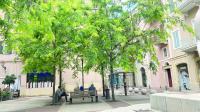
Today, Saifi is not just a residential area; it has transformed into a serene village-like enclave within the heart of the capital. Its narrow, cobblestone streets, lined with trees and plants and low-rise buildings, create the feel of walking through a historic neighborhood away from the city's bustle.
Moreover, reduced car presence in some streets has encouraged walking and closer exploration of architectural details.
Beirut's Art and Culture Hub
In the early 21st century, Saifi Village began attracting artists, designers, and gallery owners.
The area today boasts numerous:
- Art galleries.
- Antique shops.
- Craft boutiques.
- Fashion stores.
- Home decor stores.
- Cafes.
- Restaurants.
This diversity has earned Saifi the title of Beirut's art district, drawing cultural and creative enthusiasts.
Social Life in Saifi Village
Saifi's significance extends beyond its historical architecture, marked by vibrant social life in its public squares. The area is filled with cafes and restaurants welcoming visitors throughout the day. It's also a venue for cultural events, art fairs, and seasonal exhibitions, adding energy to the area.
Moreover, for years, the village was known for hosting the "Souk el Tayeb" market, promoting local agricultural products, traditional foods, and handicrafts, supporting Lebanese producers and reinforcing the concept of local markets.
Why Does Saifi Village Attract Tourists?
Saifi Village has become a prime tourist destination in Beirut for several reasons, including:
- Beautiful heritage architecture.
- Peaceful streets.
- Art exhibitions.
- Upscale cafes.
- Diverse restaurants.
- Easy accessibility from downtown Beirut.
- Ideal settings for photography.
Many visitors come to capture photos among the colorful buildings and flower-adorned balconies, now iconic images of the Lebanese capital.
Saifi Village Today: Balancing Heritage and Modernity
Saifi Village exemplifies the successful revival of historical neighborhoods without losing their original identity. While preserving its traditional architectural character, it has embraced contemporary life concepts through its cafes, galleries, and high-end stores, making it one of Beirut's most culturally and architecturally distinctive areas.
In conclusion, Saifi Village's history in Beirut symbolizes a city's journey from the remnants of war to a thriving space of life, arts, and creativity. Today, Saifi continues to attract visitors as one of the most beautiful and significant cultural and tourist attractions in the Lebanese capital.
See Also
Guide to Personal Loans in Lebanon