


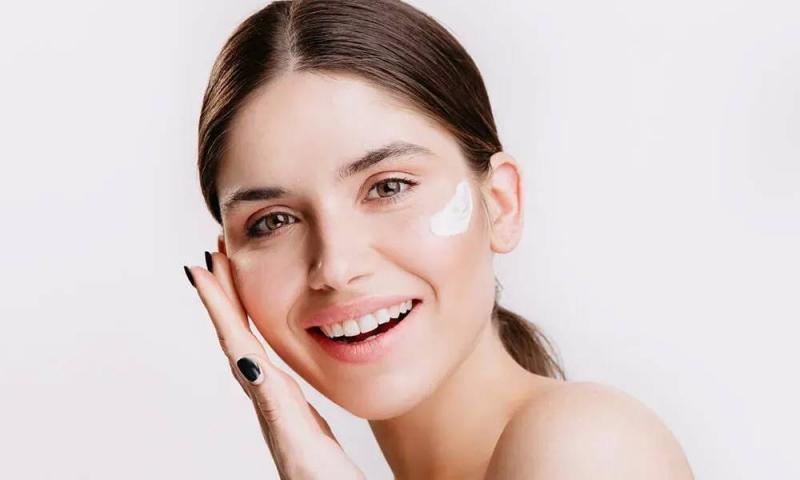
Skin lightening creams are a hot commodity for those struggling with melasma, pigmentation, acne scars, or uneven skin tone. With a plethora of options available, selecting the most suitable cream for your specific condition can be daunting.
Factors causing pigmentation vary from sun exposure and hormonal changes to skin inflammation or acne scars. The success of treatment hinges on choosing the right active ingredients, with a diligent skincare routine that includes sunscreen.
How Do Skin Lightening Creams Work?
Most creams aim to reduce melanin production or accelerate skin cell renewal, gradually evening skin tone and lightening dark spots.
Results depend on pigmentation depth, skin type, and product usage consistency. Patience is key, as noticeable results may take weeks or months.
Top Medical Creams for Melasma and Pigmentation
1. Hydroquinone Creams
These are among the most used treatments for deep pigmentation as they inhibit melanin production.
Popular options include:
- Pigmanorm Cream
- Tri-Luma Cream
These are effective but should be used short-term, typically not exceeding three months or as advised by a doctor, since prolonged use may cause side effects.
2. Azelaic Acid Creams
This is a potent choice for lightening acne scars and surface pigmentation, also enhancing skin texture.
Notable products include:
- Skinoren Cream 20%
Suitable for various skin types and may be used during pregnancy or nursing with medical guidance.
Best Daily Serums and Creams for Lightening
For mild to moderate pigmentation, daily serums can integrate well into your skincare routine.
La Roche-Posay Pure Niacinamide 10 Serum
This serum assists with:
- Evening skin tone.
- Reducing dark spots.
- Strengthening skin barrier.
- Enhancing radiance.
It features 10% niacinamide, a proven ingredient for reducing pigmentation and improving skin appearance.
Eucerin Anti-Pigment Dual Serum
Contains Thiamidol, developed to reduce hyperpigmentation by decreasing excessive melanin production.
Regular use gradually improves skin tone, with noticeable results typically seen within weeks, depending on pigmentation nature.
The Ordinary Alpha Arbutin 2% + HA
This budget-friendly serum is popular for containing:
- Alpha arbutin to help minimize pigmentation.
- Hyaluronic acid for skin hydration.
Targets acne scars, sun spots, and uneven skin tone.
Best Ingredients to Look For in Lightening Creams
Successful creams depend on composition more than brand. Seek these ingredients:
Vitamin C
Helps with:
- Reducing pigmentation.
- Evening skin tone.
- Protecting against free radicals.
- Boosting skin glow.
Niacinamide
Widely used in skincare, it helps reduce melanin transfer to skin surface and strengthens the skin barrier.
Azelaic Acid
Reduces pigmentation and acne marks, with anti-inflammatory properties suitable for acne-prone skin.
Alpha Arbutin
Gradually inhibits melanin production, found in serums addressing dark spots.
Kojic Acid
Also popular in brightening products, it aids in reducing melanin formation and improving pigmentation appearance.
Licorice Extract
Calms skin and helps even tone, used in many products for sensitive skin.
Retinol
Speeds up skin cell renewal, reducing pigmentation and fine lines. Introduce gradually to avoid irritation for some users.
Golden Rules for Successful Pigmentation Treatment
The best cream won't work if not used properly.
Daily Sunscreen Use
Sunscreen with SPF 50 or higher is crucial as UV exposure boosts melanin production, reducing cream effectiveness.
Gradual Use Introduction
Start with strong products twice weekly at night, then gradually increase frequency based on skin tolerance to minimize irritation risk.
Moisturize Skin
A suitable moisturizer strengthens the skin barrier, reducing dryness or redness when using active ingredients.
Be Patient
Results from lightening creams take regular use over weeks. Deep pigmentation might need even longer.
When to See a Dermatologist?
If pigmentation is severe, widespread, or unresponsive to appropriate products after months, consult a dermatologist. Additional treatments such as chemical peels, laser treatment, or prescribed topical medications may be necessary.
Ultimately, choosing the best skin lightening cream depends on the cause of pigmentation, skin type, and dark spot degree. No single product suits everyone, but with effective ingredients like niacinamide, vitamin C, alpha arbutin, or azelaic acid.
Alongside daily sunscreen and a suitable care routine, gradual, safe improvement in skin tone can be achieved, offering longer-lasting results.