


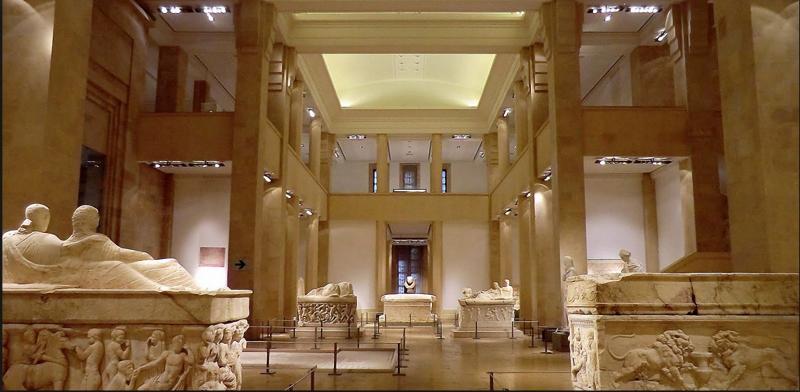
The Beirut National Museum stands as a pivotal cultural and archaeological landmark in Lebanon, housing the nation’s largest collection of artifacts spanning thousands of years. It is an essential stop for anyone eager to explore the civilizations that have passed through Lebanon, from prehistoric times up to the Mamluk and Ottoman periods.
Located on the Damascus Road in Beirut, the museum is renowned for its grand architectural design and rare collections, which include Phoenician statues, Roman mosaics, stone sarcophagi, and ancient jewelry and pottery, epitomizing Lebanon’s rich heritage. The museum is not only a major tourist attraction but also an educational venue frequented by visitors worldwide.
An Overview of the Beirut National Museum
Inaugurated in 1942, the museum was aimed at centrally preserving and displaying Lebanese antiquities. Although the building suffered significant damage during the Lebanese Civil War, most of the artifacts survived due to protective measures by experts of that era. After years of restoration, the museum reopened in 1999 in a modernized form while retaining its historical essence.
Today, the museum boasts over 100,000 artifacts, some of which are exhibited in well-organized halls that chronologically narrate Lebanon’s history across the ages.
Highlighted Museum Sections
Ground Floor Hall
This area showcases massive artifacts, notably:
- Carved Phoenician sarcophagi.
- Stone and marble statues.
- Roman pillars and inscriptions.
- Byzantine mosaics.
Upper Floor
Featuring smaller but historically significant collections, such as:
- Ancient gold jewelry.
- Rare coins.
- Pottery and glassware.
- Bronze and iron tools.
- Manuscripts and funerary relics.
Famous Artifacts at the Museum
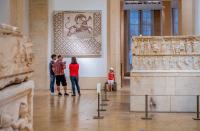
Among the most captivating exhibits for visitors are:
- The renowned sarcophagus of King Ahiram of Phoenicia.
- The collection of anthropoid Phoenician sarcophagi.
- Vibrant Roman mosaics.
- Statues of Phoenician and Roman deities.
- Golden ornaments unearthed at Lebanese archaeological sites.
- Tools from the Bronze Age.
Why the Museum is Worth Visiting
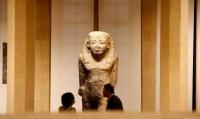
The museum offers an immersive and well-organized way to trace Lebanon's rich history, with exhibits arranged chronologically to facilitate understanding of historical developments. Informative descriptions assist visitors in appreciating the significance and origin of each piece. Moreover, the museum is easily accessible from various parts of Beirut and is close to numerous other tourist attractions.
Best Time to Visit the Beirut National Museum
It is advisable to visit in the morning hours or on weekdays to avoid crowds and enjoy a peaceful tour. Typically, visits last between one and two hours, but they may extend longer for history and archaeology enthusiasts.
Tips Before Visiting
- Wear comfortable shoes for walking through different halls.
- Allocate sufficient time to read the accompanying explanations of exhibits.
- Follow museum rules concerning photography and artifact preservation.
- Combine the museum visit with a tour of nearby Beirut landmarks.
Conclusion
The Beirut National Museum remains a premier cultural destination in Lebanon, melding history, art, and archaeology in one location. Whether you are an aficionado of ancient civilizations or seeking a unique tourism experience, a visit to this museum offers an opportunity to uncover thousands of years of Lebanon’s history and its rich cultural legacy.