


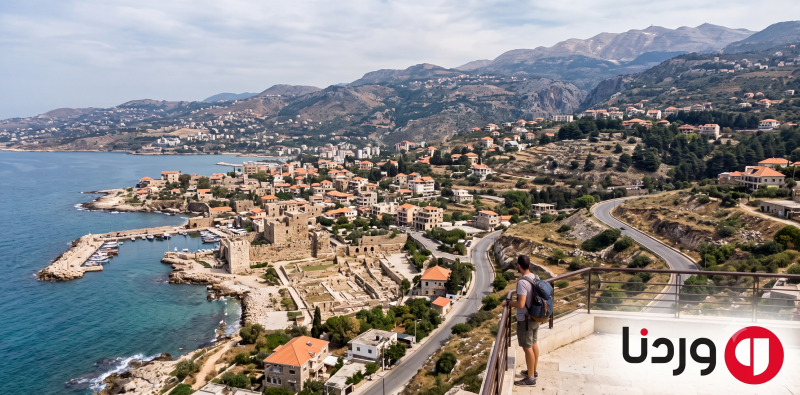
Essential Information about Tourism in Lebanon
Location: Eastern Mediterranean.
Best Visiting Seasons: Spring, Summer, and Fall.
Top Experiences: Cultural, natural, and marine tourism.
Famous Landmarks: Baalbek - Byblos - Jeita Grotto - Cedars forest.
Suitable For: Families - Photography enthusiasts - Short trips - History and nature lovers.
Where to Go in Lebanon?
Lebanon boasts a diverse tourism scene, making it one of the unique destinations in the Middle East. Visitors can go from the Mediterranean beaches to mountain peaks, and from modern cities to historical villages all in one trip.
Thus, the question "Where to go in Lebanon?" opens up a wide array of options for different types of journeys. The appeal of Lebanon lies in the short distances between its regions, allowing the discovery of multiple destinations within a few days. After exploring Beirut's lively streets, one might head to Byblos for Phoenician history, to the Cedars for mountain nature, or to the Bekaa Valley to see the Baalbek ruins, one of the region's finest cultural monuments.
Best Places to Visit in Lebanon
Beirut – The Capital City
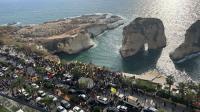
Beirut is an ideal starting point for any trip within Lebanon. As the capital, it blends history with modern life, offering diverse neighborhoods. Visitors can explore the historic downtown, stroll along the waterfront, and discover areas that merge old buildings with modern cafes.
The city provides numerous experiences, from museums and art galleries to restaurants and markets, making it perfect for those wanting to understand Lebanon's urban spirit.
Byblos – A Glimpse of Ancient History
Byblos is one of the oldest continuously inhabited cities in the world, featuring a unique mix of history and natural beauty. The city boasts an ancient port, heritage markets, and a historic castle reflecting the civilizations that have passed through.
Byblos is suitable for families and photography enthusiasts, especially thanks to its stone-paved streets, tranquil atmosphere, and coastal views.
Baalbek – Architectural Grandeur
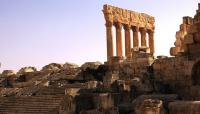
If you're seeking a blend of history and architectural majesty, Baalbek is a must-visit. Known for its massive Roman temples, including the Temple of Jupiter and the Temple of Bacchus, Baalbek is one of Lebanon's top archaeological sites.
A visit to Baalbek offers insights into an essential part of the region's history, showcasing ancient architectural prowess.
Jeita Grotto – Natural Wonders
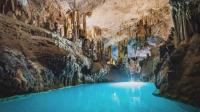
Jeita Grotto, located in the Nahr al-Kalb valley near Beirut, is one of Lebanon's most famous natural attractions. These natural caves feature distinctive rock formations that have developed over thousands of years.
The grotto is ideal for visitors seeking a blend of exploration and nature and is a great family destination.
The Cedars – A National Symbol
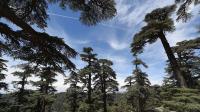
The Cedars of Lebanon are one of the country's most important national symbols, linked to its history and civilization since ancient times. These areas are characterized by stunning mountain landscapes, fresh air, and vast natural spaces.
The Cedars provide nature lovers opportunities for hiking, photography, and enjoying tranquil mountain settings.
Chouf – Nature and Heritage
The Chouf district is one of Lebanon's most beautiful mountainous areas, blending nature and heritage. It features historic villages, the Beiteddine Palace, and the Chouf Cedar Reserve, one of the largest nature reserves in the country.
Chouf is suited for those seeking peace and rural trips, particularly during spring and fall when nature is at its best.
Tyre – History and Beaches
The city of Tyre, located in southern Lebanon, is renowned for its beautiful beaches and historical sites dating back to the Phoenician and Roman civilizations.
Tyre offers a diverse experience combining beach relaxation and archaeological exploration, making it ideal for family and cultural trips.
Jezzine – Serenity in Nature
Jezzine is famous for its mountainous beauty, waterfalls, and expansive views. It offers visitors a peaceful experience away from the hustle and bustle of cities.
Featuring traditional crafts and natural views, Jezzine is a great place for photography and relaxation.
Must-Visit Natural Spots in Lebanon
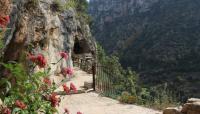
Qadisha Valley – Natural and Historical Beauty
Qadisha Valley is one of Lebanon's prominent natural sites, known for its rocky cliffs, mountain views, and historical monasteries scattered throughout the valleys.
The valley offers an excellent experience for outdoor enthusiasts who enjoy hiking, nature, and photography.
Tannourine – Majestic Cedar Forests
Tannourine is famous for its cedar forests and mountainous landscapes, providing a serene escape into nature.
How to Choose the Best Place in Lebanon?
What's the Best Place in Lebanon?
The choice depends on the type of journey:
For history seekers:
Baalbek, Byblos, Tyre.
For nature lovers:
Cedars, Chouf, Qadisha Valley, Tannourine.
For family trips:
Jeita Grotto, Byblos, coastal areas.
For photography enthusiasts:
Gemmayze, Saifi Village, Byblos, mountain villages.
Choosing just one place can be challenging because Lebanon combines diverse destinations; Byblos for history, the Cedars for nature, and Beirut for urban life.
How Many Days Are Enough to Visit Lebanon?
A week is sufficient to explore the main attractions, while a more comprehensive trip requires a longer stay to visit various regions.
What is the Best Time to Visit Lebanon?
Spring, summer, and fall are the best times to visit, as each season offers different tourist activities.
Is Lebanon Suitable for Family Trips?
Yes, Lebanon has many family-friendly places, including coastal cities, natural sites, and cultural landmarks.
If you wonder "Where to go in Lebanon?", the answer begins with the variety of choices this small yet historically and naturally rich country offers.
From Beirut's lively streets to Byblos' ancient alleys. From Baalbek's majestic ruins to the green Cedars mountains, Lebanon provides a comprehensive tourist experience blending culture, nature, and relaxation, making it a suitable destination for diverse travelers.
See also:
Tourism Guide for Jounieh 2026
Guide to Saifi Village in BeirutThe Story of Stairs of Mar Neqoula in Beirut