


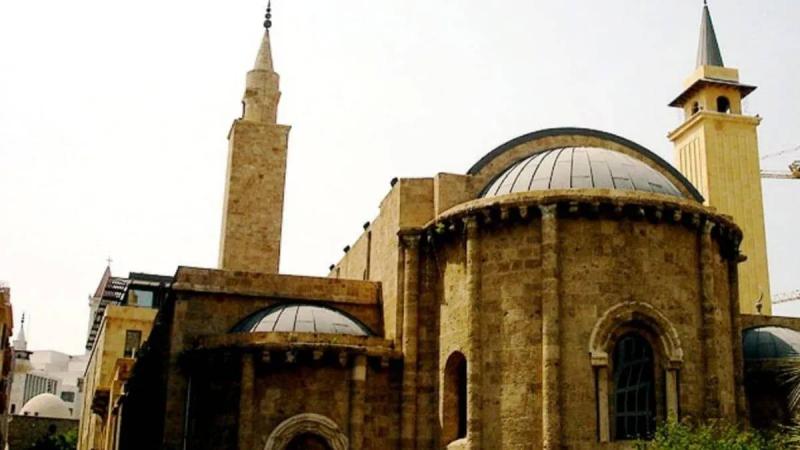
Mosques in Lebanon are more than places of worship; they are historical and tourist landmarks that embody the Islamic civilization's rich heritage in the country. They reflect the legacies of the Umayyad, Mamluk, and Ottoman civilizations in Lebanon through their architecture and intricate designs.
These mosques are spread across Beirut, Tripoli, Sidon, Deir al-Qamar, and other Lebanese cities. Each mosque combines religious, cultural, and aesthetic values, making it a destination for worshipers, tourists, and Islamic architecture enthusiasts.
Why Are Lebanese Mosques Famous?
Lebanese mosques hold a distinctive place as they represent a unique blend of Islamic architectural styles and are tied to significant historical events in the country's history.
Moreover, many of these mosques have maintained their original character despite restoration efforts, making them prominent heritage sites in the Middle East.
The Most Famous 10 Mosques in Lebanon
1. Mohammad Al-Amin Mosque – Beirut
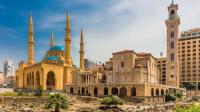
The Mohammad Al-Amin Mosque is the most famous mosque in Lebanon and a major landmark in Beirut. Located in Martyrs' Square in downtown, it opened in 2008 and is renowned for its large blue domes and four minarets over 65 meters high, inspired by classical Ottoman design.
It is also famous for its luxurious interior, featuring large chandeliers, Islamic decorations, and exquisite marble, making it one of the most photographed tourist sites in Beirut.
2. Al-Omari Grand Mosque – Beirut
The Al-Omari Grand Mosque is the oldest existing mosque in Lebanon's capital. Originally a Crusader church, it was converted into a mosque during the Mamluk era. Known for its massive stone columns and arched windows, it holds significant historical value as a testament to Beirut's varied civilizations.
3. Emir Munzer Mosque (Fountain Mosque) – Beirut
Located in old Beirut, this mosque was built by Emir Munzer al-Tannoukh in 1620. Also known as the "Fountain Mosque" due to the stone fountain in its courtyard, it features Ottoman style and traditional stone construction.
4. Emir Mansour Assaf Mosque – Beirut
Dating back to the 16th century, Emir Mansour Assaf Mosque is a key historical mosque in Beirut's commercial center. It showcases simple design elements, reflecting traditional Ottoman architecture, while retaining its religious status over the centuries.
5. Al-Mansouri Great Mosque – Tripoli
The Al-Mansouri Great Mosque is the oldest and largest mosque in Tripoli, founded by Sultan Al-Ashraf Khalil ibn Qalawun in 1294. It is a masterpiece of Mamluk architecture, featuring a high minaret, vast courtyard, and intricate stone decorations, remaining a prominent religious and academic center in northern Lebanon.
6. Taynal Mosque – Tripoli
Taynal Mosque, built in the 14th century, is one of the most beautiful Mamluk mosques in the Arab world. It is famous for its large gates, geometric decorations, and distinct domes, with a spacious courtyard reflecting the splendor of Mamluk Islamic architecture.
7. Al-Burtasiyah Mosque – Tripoli
Al-Burtasiyah Mosque is a model of mosques combining education and worship. It was established as both a mosque and a school and features a unique minaret above the main gate, a rare architectural element in the region.
8. Al-Tawbah Mosque – Tripoli
Famous in Tripoli, Al-Tawbah Mosque was built during the Mamluk era. It resembles Al-Mansouri Grand Mosque, with beautiful stone decorations and Islamic arches that embody traditional Mamluk style.
9. Emir Fakhr al-Din Mosque – Deir al-Qamar
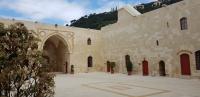
This mosque is the oldest in Mount Lebanon, built by Emir Fakhr al-Din I. Located in the village of Deir al-Qamar, it features an octagonal minaret and traditional stonework, reflecting local architectural styles of its time and serving as a major historical and tourist landmark today.
10. The Great Ibrahimi Mosque – Sidon
In Sidon's old city, the Ibrahimi Mosque is a notable Islamic landmark, located amid historical markets. It blends Mamluk and Ottoman styles and contains archaeological architecture elements, drawing visitors for its significant religious and cultural heritage.
What Distinguishes Historical Mosques in Lebanon?
Lebanese mosques feature distinct characteristics standing out in the region, such as:
- Diverse architectural styles – Mamluk, Ottoman, and modern.
- Use of local sandstone and limestone.
- Large domes and tall minarets.
- Islamic decorations and Arabic calligraphy.
- Spacious inner courtyards.
- Preserved historic character despite restorations.
Additionally, most are located in old cities and heritage markets, offering visitors an opportunity to explore Lebanese history and culture in one place.
Best Time to Visit Mosques in Lebanon
Visit during daylight to appreciate architectural details, respecting prayer times and the sanctity of the sites. It's recommended to wear modest clothing and follow mosque guidelines, especially in tourist-heavy sites.
In conclusion, Lebanon's top 10 mosques are integral to the country's historical and cultural identity, merging captivating Islamic architecture with a centuries-old heritage.
Whether interested in religious tourism, history, or architectural photography, visiting these mosques offers a chance to discover a unique aspect of Lebanese heritage, where tradition meets beauty.
See also
Places Preferred by Arab Tourists When Visiting Lebanon