


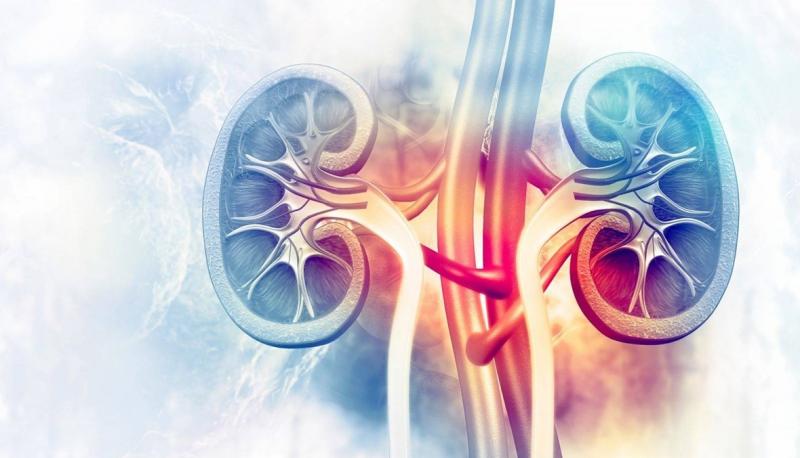
Kidney deposits, including stones, occur when substances like calcium or uric acid accumulate, forming small crystals that can grow into stones over time. Symptoms vary greatly; some individuals may remain asymptomatic, while others experience pain and urinary discomfort.
Many ask, "How do I know if I have kidney deposits?" Symptoms alone are insufficient for diagnosis; medical tests such as urinalysis or kidney ultrasounds are typically required.
Symptoms of Kidney Deposits
Common signs indicating kidney deposits or stones include:
Pain in the Kidney Area
Pain, a common symptom, often occurs at the back side or below the ribs, potentially extending to the abdomen or lower pelvic area. The severity varies with deposit size and location, ranging from mild to severe intermittent episodes.
Pain or Burning Sensation During Urination
Kidney deposits may irritate the urinary tract, leading to a burning sensation or pain during urination.
Change in Urine Color
Urine might appear dark or cloudy, and in some cases, blood may be visible due to stones scraping the urinary tract walls.
Frequent Urination
A frequent urge to urinate can occur, especially if deposits reach the ureter or bladder.
Nausea or Vomiting
Severe kidney pain can be accompanied by nausea and vomiting, notably during episodes of renal colic.
Fever
If an associated infection is present, symptoms like fever and chills might appear, necessitating medical attention.
Diagnosing Kidney Deposits
Diagnosing kidney deposits requires various tests beyond symptom analysis:
Urinalysis
Urinalysis helps detect excessive salts, blood presence, inflammation markers, and crystals indicating stone formation potential.
Kidney Ultrasound
Ultrasound is a common diagnostic tool for identifying stones or deposits in the kidneys and urinary tract.
CT Scan
A CT scan may be ordered for a detailed image, particularly in severe pain cases or suspected small stones.
Blood Tests
These tests evaluate kidney function and detect levels of substances linked to stone formation.
Causes of Kidney Deposits
Kidney deposits often form due to high concentrations of certain substances in urine. Contributing factors include:
- Inadequate water intake
- Excessive consumption of salty foods
- High intake of animal proteins
- Genetic factors
- Diseases affecting mineral absorption
- Prolonged immobility
Do All Kidney Deposits Develop into Stones?

Not all deposits become problematic; some are small enough to pass unnoticed. However, accumulated salts enlarging crystals can form stones, causing pain or urinary blockage.
Preventing Kidney Deposits
Reduce deposit risks with these habits:
Drink Ample Water
Water lessens urine's salt concentration, reducing crystal formation likelihood.
Limit Salt Intake
Excess salt increases some salts' accumulation risk in kidneys.
Balanced Diet
Focus on vegetables and fruits, moderating protein according to body needs.
Address Urinary Symptoms Promptly
Treating infections and consulting a doctor for unusual symptoms helps avoid complications.
When to Consult a Doctor
Seek medical advice if experiencing severe flank or back pain, bloody urine, urination difficulty, pain with fever, or recurrent kidney stones.
Verifying Kidney Deposits at Home
While certain symptoms like pain or urine change can be observed, medical tests are required for confirmation.
Are Kidney Deposits Dangerous?
Risks depend on their size and location; some pass harmlessly, while large stones may cause obstructions or infections.
Does Water Eliminate Kidney Deposits?
Water helps reduce salt concentration and might assist in expelling small crystals, but it doesn't dissolve all stone types.
In Conclusion, understanding kidney deposits involves recognizing symptoms such as flank pain or urine changes, but confirmation requires tests like urinalysis and kidney imaging. Staying hydrated and adopting a healthy lifestyle minimizes deposit and stone risks.
Related Reads:
Do Kidney Deposits Cause Lower Back Pain?How to Tell If I Have a UTI?How Much is a Urinalysis in Lebanon?