


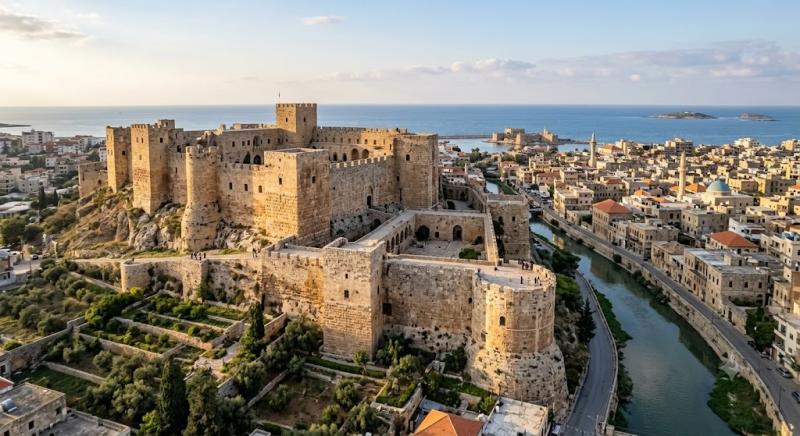
Lebanon is distinguished by its unique historical and cultural diversity. Throughout the ages, it has been a meeting point for various civilizations that have left their mark on its cities, mountains, and shores.
Among the most notable of these landmarks are the historical castles, which have served significant defensive and military roles before becoming tourist attractions visited by those eager to learn about the country's history.
The Lebanese castles range from maritime forts built to protect coastal cities to mountain castles erected at strategic sites to monitor roads and surrounding areas.
These castles feature architectural styles combining Phoenician, Roman, Crusader, Mamluk, and Ottoman influences.
10 Must-Visit Historical Castles in Lebanon:
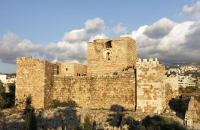
Byblos Castle
Byblos Castle is one of Lebanon's most renowned historical castles, situated within the old city of Byblos, one of the world's oldest continually inhabited cities.
The castle was built during the Crusader era using local stones and was constructed near ancient ruins from past civilizations, making it a crucial part of Byblos's historical landscape.
Visitors can enjoy views of the ancient port and surrounding archaeological sites from atop the castle, making it a prime cultural and tourist destination in Lebanon.
Sidon Sea Castle
Located on the shore of Sidon, the Sidon Sea Castle is one of Lebanon's most famous coastal historical landmarks.
Built by the Crusaders in the 13th century on a small island connected to the city via a stone bridge, it was used as a defensive fort to monitor the coast.
The castle features a stunning sea view and is located near old markets, offering a blend of history and maritime charm for visitors.
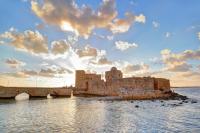
Beaufort Castle
Perched on a high hill near Arnoun in southern Lebanon, Beaufort Castle stands as one of the major mountain castles in the region.
The castle's strategic importance comes from its commanding views over vast areas, having been occupied by various forces throughout history, from the Crusaders to the Ayyubids and Mamluks.
It boasts stone walls and sweeping views of the Litani Valley and surrounding areas.
Citadel of Raymond de Saint-Gilles
Known as Tripoli Castle, this citadel is one of northern Lebanon's key historical landmarks.
Located in the heart of Tripoli, it has undergone several expansions and renovations throughout different eras and has served as both a military fort and administrative center.
Its elevated position offers visitors views over the old city and its surroundings.
Moussa Castle
Situated in the Beit Eddine area of Chouf, Moussa Castle differs from traditional military fortresses, having been constructed in modern times as a castle inspired by historical architecture.
Created by architect Moussa to fulfill a personal dream tied to heritage, it currently houses a museum displaying a collection of old tools, weapons, and artifacts.
It is a popular tourist spot for photography and historical storytelling enthusiasts.
Baalbek Citadel Area
The Baalbek area is rich with history from numerous ancient civilizations, showcasing defensive and architectural remains that reflect the city's historical importance.
Though primarily known for its Roman temples, the surrounding area also features various historical fortifications.
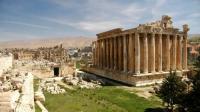
Rashaya Citadel
Located in the Wadi al-Taym area, Rashaya Citadel is a significant historical site in Lebanon.
It is notable for its role in modern Lebanese history, particularly during the French Mandate when it housed several Lebanese independence leaders.
The citadel combines historical and architectural value, making it an essential stop for visitors.
Mseilha Fort
Near Batroun, Mseilha Fort is notable for its location atop a natural rock near the Nahr el-Joz river.
This strategic fort was built to monitor the coastal road and is an example of Lebanon's smaller mountain fortifications.
The fort offers remarkable views of the surrounding nature to its visitors.
Saint Louis Castle
Also known as the Castle of St. Louis, it is located in old Sidon.
Built during the Middle Ages as part of the city's defensive system, it is notable for its elevated site and views over historic neighborhoods.
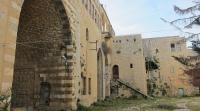
Hasbaya Castle
Situated in southeastern Lebanon, Hasbaya Castle is one of the historical fortresses reflecting the diverse historical periods the region has witnessed.
The castle includes architectural elements from various stages, making it a prominent landmark in the Hasbaya area.
Why are Lebanese Castles Important Tourist Destinations?
The importance of Lebanon's historical castles extends beyond their architectural value; they serve as open records of history where visitors can learn about the civilizations that passed through the region.
These castles offer a tourist experience that combines:
- Historical exploration.
- Photography.
- Understanding ancient architecture.
- Enjoying natural views.
What is the Most Famous Historical Castle in Lebanon?
Byblos Castle, Sidon Sea Castle, and Beaufort Castle are among the most notable historical castles in Lebanon due to their historical significance and tourist appeal.
What is the Oldest Castle in Lebanon?
Lebanon houses many castles dating back to different historical periods, and it is challenging to single out one as the oldest due to the diversity of civilizations that built fortresses in the country.
Can Tourists Visit Historical Castles in Lebanon?
Yes, most of the mentioned castles are tourist destinations open to visitors, with visiting hours varying by location and supervising authorities.
In conclusion, the historical castles in Lebanon are crucial to the country's civilizational identity. They offer more than just old stone buildings; they tell stories of people and civilizations that have left their marks over thousands of years.
From the coastal Byblos Castle to the mountain Beaufort Castle, these sites provide visitors with an opportunity to discover a different aspect of Lebanon's history and heritage.
See Also:
The Beaufort Castle: Why UNESCO Chose It?
Sidon Sea Castle: All You Need to Know
Famous Historical Castles Around the World
The Most Famous Castles in Lebanon