


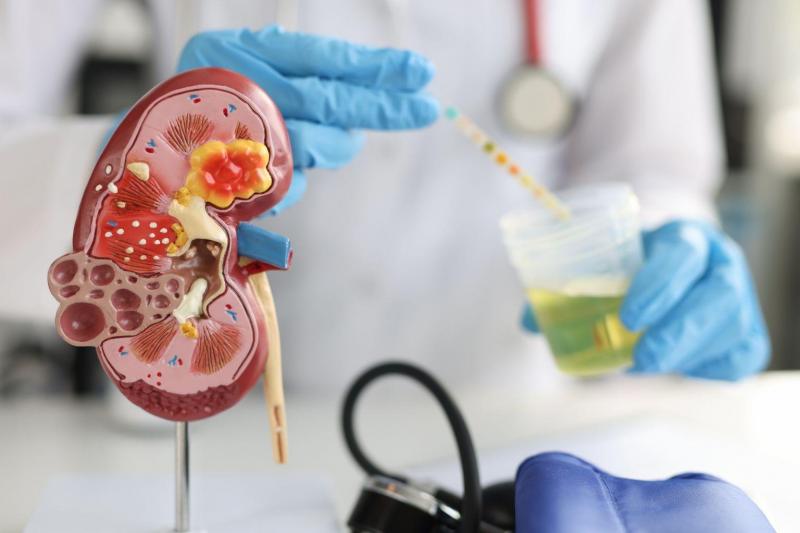
Kidney deposits, a common issue in the urinary system, are small accumulations of minerals and salts that form within the kidneys or urinary tract. These deposits can sometimes be simple and asymptomatic, but in certain cases, they may cause irritation in the urinary tract, leading to uncomfortable symptoms.
Burning urination is one such symptom that might be linked to the presence of kidney deposits or small stones in the urinary tract. However, it is not the only cause, as urinary tract infections or other factors can also contribute.
Do Kidney Deposits Cause Burning Urination?

Yes, kidney deposits can cause burning during urination. This commonly occurs when these small deposits move from the kidneys towards the ureter or bladder, causing irritation of the urinary lining.
Individuals might experience:
- Burning sensation or pain while urinating.
- Increased urge to urinate.
- Pain in the lower abdomen or sides.
- Changes in urine color.
- Sometimes, blood in the urine.
However, the presence of burning during urination does not necessarily mean there are kidney deposits, as it might be due to infection or urinary tract inflammation.
What are Kidney Deposits?
Kidney deposits are accumulations of salts and minerals that form inside the kidneys due to increased concentration of certain substances in the urine.
Common types include:
- Calcium deposits.
- Uric acid deposits.
- Oxalate deposits.
These deposits may remain small and exit the body with urine without causing issues, or they may grow into kidney stones.
Symptoms of Kidney Deposits in Men and Women

Symptoms vary based on the size and location of the deposits, and may include:
1- Burning during Urination
This occurs when deposits irritate the urinary tract or move towards the bladder.
2- Pain in the Kidney Area
Individuals may feel pain in:
- The side of the back.
- The area below the ribs.
- The abdomen or pelvis.
3- Changes in Urine
Such as:
- Cloudy urine.
- Strong-smelling urine.
- Blood in the urine.
4- Increased Frequency of Urination
Especially when deposits reach the lower urinary tract.
Differences Between Burning Urination from Kidney Deposits and Urinary Tract Infection
Symptoms can be similar between both cases, but there are differences:
Kidney Deposits:
- Often accompanied by side or back pain.
- Blood may be present in urine.
- May come with episodes of intense pain.
Urinary Tract Infection:
- Causes clear burning during urination.
- Accompanied by frequent urination.
- May occur with fever or fatigue.
Diagnosis requires urine analysis or imaging as needed.
Causes of Increased Kidney Deposits
Several factors increase the likelihood of deposits forming, including:
- Insufficient water intake.
- High salt consumption.
- Certain dietary habits.
- Family history of stones.
- Certain gastrointestinal disorders.
- Lack of physical movement.
- Increased salt concentration in urine.
How are Kidney Deposits Diagnosed?
Diagnosis may rely on:
Urine Analysis
To detect:
- Presence of salts.
- Blood in urine.
- Signs of infection.
Imaging Techniques
Such as:
- Ultrasound.
- CT scans when needed.
Blood Tests
To assess kidney function and certain mineral levels.
Ways to Relieve Symptoms of Kidney Deposits
Treatment depends on the size and type of deposits. Recommendations may include:
- Drinking plenty of water.
- Reducing salt intake.
- Following an appropriate diet.
- Taking medications prescribed by a doctor if necessary.
- Monitoring the condition if deposits are recurrent.
When Should You See a Doctor?
It is advisable to see a doctor if experiencing:
- Severe side pain.
- Blood in urine.
- Fever or chills.
- Difficulty urinating.
- Persistent burning during urination for several days.
- Recurrent deposits.
Tips to Prevent Kidney Deposits
- Regular water intake.
- Do not hold urine for long periods.
- Reduce intake of high-salt foods.
- Maintain a healthy weight.
- Undergo examinations if the problem recurs.
Conclusion
Kidney deposits may be one cause of burning urination, especially when they move within the urinary tract causing irritation. However, other common causes like urinary tract infections also exist. Therefore, accurate diagnosis depends on symptoms and appropriate medical tests.