


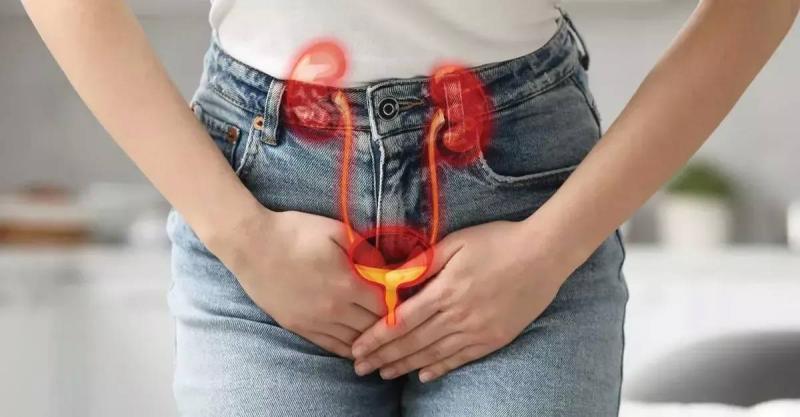
Kidney deposits occur when small amounts of minerals and salts like calcium, uric acid, and oxalate accumulate inside the kidneys. Initially, these deposits may not cause any symptoms, but signs start to appear as they grow or move within the urinary tract.
Early detection is crucial as it reduces the risk of these deposits developing into larger stones that may require medical intervention.
What Are the Symptoms of Kidney Deposits in Women?
1. Flank or Lower Back Pain
Pain on one side of the back or below the ribs is quite common. It can be:
- Mild and intermittent at first.
- Severe and sudden if the deposits move.
- Extend to the lower abdomen or pelvic area.
2. Pain or Burning Sensation During Urination
A burning or painful sensation during urination may be experienced due to the friction of the deposits against the urinary tract walls, which can be similar to symptoms of a urinary infection.
3. Frequent Urination
Symptoms may include:
- Frequent urination.
- Passing small amounts of urine.
- Feeling the bladder is not fully emptied.
4. Change in Urine Color
Urine may appear:
- Pink.
- Red.
- Brown, due to the presence of blood from urinary tract irritation.
5. Cloudy or Strong-Smelling Urine
Urine may become cloudy or have an unusual odor, especially if an infection is present.
6. Nausea and Vomiting
Severe pain caused by moving deposits may result in nausea or vomiting.
7. Fever
If bacterial infection accompanies deposits, symptoms such as fever, chills, and general fatigue may appear, requiring urgent medical attention.
8. Blood in the Urine
Blood may be visible or detected only through a urine test.
Specific Symptoms of Kidney Deposits in Women
These symptoms can resemble other women's health issues, like urinary tract infections, pelvic inflammations, menstrual pain, or ovarian cysts. Thus, medical evaluation is necessary to identify the true cause.
Causes of Kidney Deposits in Women
Several factors increase the likelihood of deposits, such as:
- Low water intake.
- High salt consumption.
- High intake of animal protein.
- Consuming foods rich in oxalates like spinach and nuts.
- Obesity.
- Family history of kidney stones.
- Certain conditions like gout or hyperparathyroidism.
- Some medications and supplements.
Who Is Most at Risk?
Women at higher risk include those who:
- Drink little fluid.
- Suffer from frequent urinary infections.
- Have chronic conditions like diabetes.
- Take large doses of calcium or vitamin D without medical supervision.
- Are overweight.
How Is Kidney Deposit Diagnosis Made?
Diagnosis involves several tests, including:
- Urinalysis.
- Blood tests.
- Ultrasound.
- CT scan if needed.
- Analysis of stones passed in urine.
Treatment of Kidney Deposits in Women
Treatment depends on the size of the deposits and symptom severity.
Home Treatment
In mild cases, doctors may advise:
- Drinking 2.5 to 3 liters of water daily.
- Reducing salt intake.
- Taking pain relief meds as needed, under medical guidance.
- Increasing physical activity.
Medicinal Treatment
Potential prescriptions include:
- Medications to relax the ureter.
- Antibiotics for infections.
- Medications to reduce certain types of stone formation.
Medical Intervention
If deposits are large or have turned into stones, treatments may involve:
- Shock wave lithotripsy.
- Endoscopy.
- Surgery in rare cases.
Complications of Neglecting Kidney Deposits
Untreated deposits can lead to:
- Larger stones.
- Ureter blockage.
- Severe kidney infections.
- Decreased kidney function in advanced cases.
Prevention of Kidney Deposits
To reduce risk:
- Drink adequate water daily.
- Limit salt intake.
- Moderate animal protein consumption.
- Maintain healthy weight.
- Avoid excessive supplements without consulting a doctor.
- Treat urinary infections promptly.
- Consult a doctor if symptoms persist.
When to See a Doctor
Seek medical care immediately if you experience:
- Severe, unbearable pain.
- Fever with chills.
- Visible blood in urine.
- Difficulty urinating.
- Repeated vomiting preventing fluid intake.
Conclusion
Kidney deposit symptoms in women may start mild but can develop into painful stones if not addressed early. Awareness of flank pain or urine changes, coupled with adequate water intake and a healthy diet, aids in prevention and risk reduction. If symptoms persist or intensify, consulting a doctor is the best step for proper diagnosis and treatment.
Also view:
Do Kidney Deposits Cause Lower Back Pain?