



Lebanon is renowned for its distinct geographical and cultural makeup. Within a relatively short distance, one can transition from the Mediterranean coast to the mountainous regions, showcasing a marked diversity in landscape, climate, and urban scenery. These characteristics grant the country considerable diversity relative to its size.
The diversity extends beyond geography; Lebanon's long history has bequeathed it with cities and archaeological sites from various civilizations and eras. The country currently boasts six UNESCO World Heritage sites, including Baalbek, Byblos, Tyre, the Qadisha Valley, and the Forest of the Cedars of God.
Highlights of Lebanon:

1. Sea and Mountains in a Small Area
One of Lebanon's unique features is the proximity of the sea to the mountains. A visitor can start their day on the Mediterranean coast and shortly thereafter reach high mountainous areas. This diversity offers the country a wide range of picturesque landscapes and tourist activities from beaches to mountains and forests.
2. A History Spanning Thousands of Years
Lebanon carries a rich historical legacy dating back to ancient civilizations. Phoenician cities like Byblos and Tyre exemplify this deep history. UNESCO describes Byblos as one of the oldest Phoenician cities, with ruins reflecting the progression of different civilizations since the Neolithic period.
3. The Cedar as a Symbol of Lebanese Identity
The cedar tree holds a special place in Lebanese identity, closely tied to the country's history and culture. The Forest of the Cedars of God is part of the Qadisha Valley World Heritage site, showcasing the natural and cultural significance of this mountainous area.
4. Extensive Natural Diversity
Lebanon's nature varies markedly between regions, including beaches, valleys, mountains, forests, and plains. This diversity is evident in areas like the Qadisha Valley, Ehden, Chouf, and the Bekaa, making each journey within the country distinct depending on the season and location.
5. The Renowned Lebanese Cuisine
Food is a prominent element of Lebanese culture, with a table spread that includes tabbouleh, fattoush, kibbeh, hummus, grilled meats, rice dishes, and vegetables. Recipes and preparation methods vary between regions and families, giving the local cuisine diversity that goes beyond the globally recognized dishes.
6. Historic Coastal Cities
The Lebanese coast is not just about beaches and resorts. It includes historic cities tied to trade and navigation since ancient times. Tyre stands as a clear example, having been an important Phoenician maritime city with a history linked to navigation, trade, and establishing Mediterranean colonies.
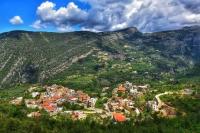
7. Architectural Diversity
Lebanon showcases multiple architectural styles, from traditional stone houses in mountain villages to historic buildings in old cities and modern architecture in Beirut. This diversity reflects the various historical phases the country has undergone and the influences of successive civilizations and cultures.
8. Varied Climates Across Regions
Lebanon's mountainous and coastal nature leads to a significant variation in climates between regions. The tourism experience changes clearly with the seasons, as coastal areas are associated with marine activities in the summer, while mountainous regions become destinations for nature lovers and those seeking cold weather and snow in the winter.
9. Blend of Modern Life and Heritage
Beirut and other Lebanese cities combine cafes, restaurants, cultural centers, and nightlife on one side, and old neighborhoods, heritage buildings, and traditional markets on the other. This blend of old and new is evident in several cities and areas, giving them a diverse urban character.
10. Multiple World Heritage Sites
Lebanon is home to a significant array of sites listed as UNESCO World Heritage Sites, including Baalbek, Anjar, Byblos, Tyre, Qadisha Valley, and the Forest of the Cedars of God, along with the Rachid Karami International Fair in Tripoli. This variety highlights Lebanon's diverse heritage encompassing archaeological, natural, and architectural sites.
Why Does Lebanon Attract Visitors?
A major part of Lebanon's allure lies in its ability to offer varied experiences within a single journey. Visitors can combine the sea with historic cities, mountainous areas, local cuisine, and cultural activities without needing to travel long distances between these experiences.
The diversity of villages and cities lends Lebanese tourism a varied character, offering everything from major archaeological sites like Baalbek and Tyre to mountain towns and coastal destinations.
See Also:
Guide to Qara Village in BeirutThe Story of Mar Nicola Stairs in Beirut