


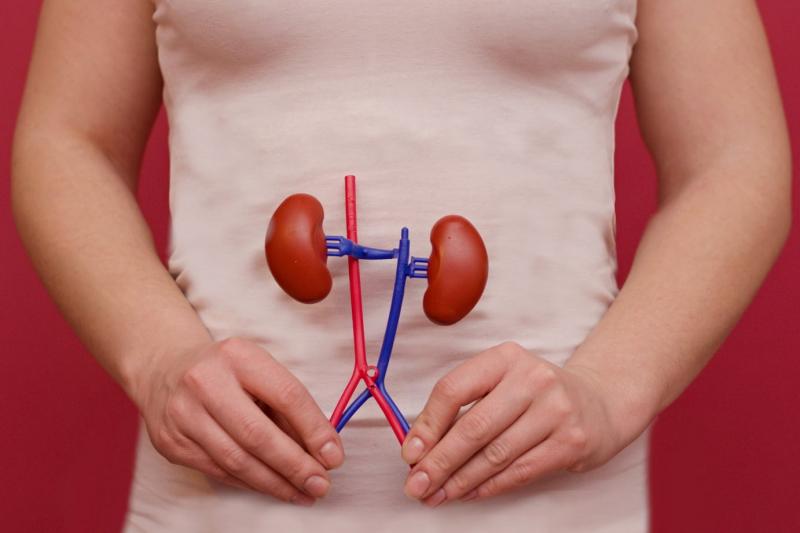
Kidney deposits occur when minerals and salts accumulate in the kidney, forming small crystals. In some cases, these deposits may not cause any symptoms. However, they can develop into stones, causing pain or urinary tract issues.
Many ask: Can kidney deposits cause high blood pressure? The answer depends on the nature of the deposits and their impact on the kidneys. The problem isn't the deposits themselves but the complications that may arise if they lead to blockage, inflammation, or kidney function impairment.
Can kidney deposits cause high blood pressure?

Kidney stones or deposits can be linked to high blood pressure, especially when they cause urinary tract blockage or are associated with decreased kidney function.
The kidneys play a crucial role in blood pressure regulation by maintaining fluid and salt balance and engaging in a hormonal system that helps manage blood pressure. Consequently, when kidney function is affected, blood pressure may be disrupted.
However, small kidney deposits without blockage, inflammation, or functional impact do not necessarily lead to high blood pressure.
How can kidney stones affect blood pressure?
The connection often begins when a stone causes a blockage in urine flow, particularly if persistent or recurring. This may increase pressure within the urinary system and impact kidney function.
Stones can also cause urinary tract infections in some individuals. The issue becomes more significant if infections recur or kidney tissue is damaged.
Medical studies indicate a connection between a history of kidney stones and an increased risk of high blood pressure. However, this does not imply every instance of kidney stones directly results in hypertension.
Do kidney deposits temporarily raise blood pressure?
There may be a temporary increase in blood pressure during an intense pain episode due to kidney stones. The acute pain and associated stress can elevate blood pressure briefly.
This differs from persistent hypertension caused by kidney function issues. Therefore, measuring blood pressure during a renal colic attack isn't sufficient to diagnose chronic high blood pressure.
If elevated pressure persists after pain subsides and in repeated measures, assessing other potential causes, including kidney health, is advisable.
Symptoms of kidney deposits and stones
Small deposits may not cause symptoms. However, stones that move within the urinary tract might cause significant symptoms, including:
- Severe pain in the flank or lower back.
- Pain extending to the lower abdomen or groin area.
- Pain or burning during urination.
- Frequent urge to urinate.
- Blood in the urine.
- Nausea or vomiting.
- Changes in urine smell or appearance in some cases.
Symptoms vary depending on the stone's size, location, and whether it causes urinary blockage.
When is high blood pressure related to the kidneys?
Not all hypertension is kidney-related. Kidney evaluation becomes essential when blood pressure is significantly elevated, appears at a young age, or is difficult to control despite appropriate treatment.
A doctor may request urine analysis and kidney function tests, like creatinine measurement and glomerular filtration rate estimation, and perform kidney and urinary tract imaging when symptoms suggest stones or blockage.
Does treating kidney deposits lower blood pressure?
If hypertension is linked to a kidney issue like persistent blockage or impaired kidney function, addressing the root problem may aid condition improvement. However, treating kidney deposits isn't a direct treatment for hypertension in all instances.
Treatment depends on the deposit's cause, size, location, and accompanying symptoms. The doctor might recommend monitoring and increased fluid intake in some cases, while larger stones or those causing blockage may require medical intervention.
Avoid consuming excessive water, medications, or supplements aiming to eliminate stones without understanding the issue type, as some kidney conditions require regulated fluid or salt intake.
When should you see a doctor?
Kidney pain accompanied by high blood pressure necessitates medical evaluation, especially if severe or persistent. Seeking evaluation is crucial with additional signs such as fever, chills, frequent vomiting, visible blood in urine, or difficulty urinating.
Severe hypertension, particularly with chest pain, shortness of breath, visual changes, severe and sudden headache, or neurological symptoms, requires urgent medical evaluation.
The answer to whether kidney deposits cause high blood pressure is plausible, albeit not definitive. Kidney stones or deposits may associate with high pressure when affecting kidney function or causing blockage and inflammation, but small, uncomplicated deposits don't inherently cause hypertension.
Also, see:
Symptoms of Kidney Stones and Treatment Methods