


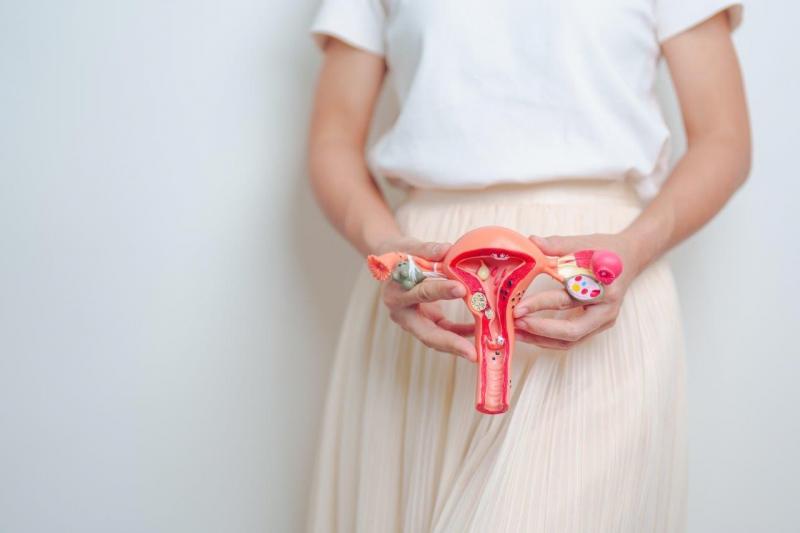
Polycystic ovary syndrome (PCOS) is among the most common hormonal disorders in women of childbearing age. Symptoms can vary widely among women, and having ovarian cysts does not necessarily mean experiencing all symptoms. Marriage does not alter the condition or its symptoms.
For some married women, these symptoms become more apparent when trying to conceive, as ovulation disorders related to PCOS can lead to difficulties in getting pregnant. However, having cysts does not equate to infertility. Many women with PCOS achieve pregnancy after regulating ovulation and addressing fertility-influencing factors.
What are the Symptoms of Ovarian Cyst Syndrome in Married Women?
Symptoms of PCOS in married women vary with hormonal changes and the nature of the condition. Not all signs may appear. The most common symptoms include menstrual irregularities, increased hair growth, acne, weight gain, or difficulty losing weight, along with ovulation disorders.
Menstrual Irregularities
Irregular periods are a common PCOS symptom, with cycles becoming infrequent or less frequent due to ovulation disorders. Menstrual irregularity alone does not diagnose PCOS, as other factors may contribute, requiring medical evaluation for diagnosis.
Delayed Pregnancy
PCOS might delay pregnancy due to irregular or absent ovulation in some cycles, often leading to a PCOS diagnosis when trying to conceive. However, PCOS does not imply infertility, as ovulation disorders can be treated with appropriate medical guidance.
Increased Hair Growth
Elevated androgen levels may cause thicker or more hair in areas like the face, chin, chest, and abdomen, a condition known as hirsutism. Other factors can also cause increased hair, so this symptom alone is not sufficient for a PCOS diagnosis.
Acne and Oily Skin
Hormonal imbalances associated with PCOS can lead to increased skin oiliness and acne, which might be more visible on the face or other body parts. Acne is common and has multiple causes, so its presence does not automatically indicate PCOS.
Weight Gain or Difficulty Losing Weight
Some women with PCOS experience weight gain or trouble losing weight, potentially linked to insulin resistance. However, PCOS can also occur in women who do not struggle with weight, meaning obesity is not a prerequisite for the syndrome.
Hair Thinning
Some women may notice thinning or hair loss on the scalp, especially when increased androgen affects. Hair loss can also result from nutritional deficiencies, thyroid disorders, or other factors.
How Does PCOS Affect Married Women Differently?
PCOS's nature does not change with marriage, but some symptoms may become more critical when attempting to conceive due to ovulation problems affecting conception chances in some cycles. Additionally, PCOS may be linked to other health issues, such as insulin resistance, lipid level disorders, and a long-term increased risk of type 2 diabetes, emphasizing the need for comprehensive management beyond cycle regulation.
Does Every Pregnancy Delay Indicate PCOS?
No, delayed pregnancy can result from various reasons involving either partner, including ovulation disorders, fallopian tube or uterine lining issues, and other factors. Male health factors might also contribute. Therefore, PCOS should not be diagnosed solely based on pregnancy delay, as a doctor would consider health history, symptoms, and attempts duration for proper assessment.
How is PCOS Diagnosed?
No single test suffices for diagnosing PCOS. Diagnosis typically involves considering symptoms, medical history, and clinical examinations. Hormonal tests and other evaluations might be needed to rule out similar conditions, including ultrasound imaging when necessary. It's crucial to distinguish between PCOS and ovarian cysts visible on imaging, as multiple ovarian follicles do not necessarily indicate the syndrome.
Is There a Treatment for PCOS?
There isn't a one-size-fits-all treatment for PCOS, as management depends on symptoms and health goals, such as cycle regulation, managing androgen excess symptoms, or improving conception chances. Doctors may recommend lifestyle changes for overweight individuals, alongside medications to regulate cycles or treat symptoms, with ovulation stimulation drugs for those desiring pregnancy—avoid hormonal or ovulation-stimulating drugs without prescription and medical oversight.
When to Consult a Doctor?
Consult a gynecologist if menstrual irregularities or prolonged cessation occurs, noticeable facial or body hair increase, severe acne, or unusual hair loss. Medical evaluation is also advised if pregnancy delays, especially with irregular cycles, are preferred over self-diagnosing or treating PCOS. [[Check Also]]
Signs Indicating the Need for Breast Lift Instead of Enlargement