


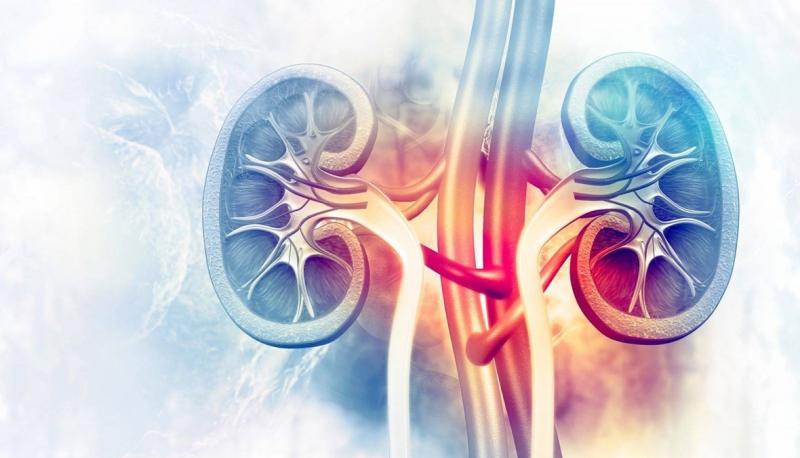
Kidney sediments form when certain minerals and salts in the urine accumulate and start forming small crystals inside the kidney. These crystals can remain small and pass out with urine without causing noticeable symptoms or grow over time into stones that may require monitoring or treatment.
There is no fixed duration for kidney sediments to disappear for everyone. In some cases, they can be eliminated by the kidneys within days or weeks, while larger sediments or those affecting urine flow may persist longer.
How Long Does It Take for Kidney Sediments to Disappear?

If the sediments are very small and do not cause a blockage, the body may gradually expel them with urine over days to several weeks. Larger stones, however, may require more time and, in some cases, may not pass on their own.
The sediment clearance rate depends on their size, location, type, fluid intake, and the individual's health. Thus, the duration varies greatly from case to case.
It is important to differentiate between small sediments that may appear in kidney imaging and stones; the presence of sediments or crystals does not necessarily indicate a large stone that requires medical intervention.
What Factors Determine the Duration for Disappearance of Kidney Sediments?
Size of the Sediments
Size is a key factor in the possibility of sediments and stones passing on their own. Smaller sizes increase the chances of them passing naturally through the urinary tract, while larger stones are less likely to pass without intervention.
Location of the Sediments
Not all stones behave in the same way. Their location within the kidney or urinary tract impacts their ability to move and be expelled with urine. Some sediments may remain symptom-free in the kidney for some time, while others may move towards the ureter, causing pain.
Type of Sediment or Stone
Kidney stones form from different minerals, with calcium stones and uric acid stones being more common. Identifying the stone type can assist doctors in selecting preventive measures to avoid recurrence.
Fluid Intake
Drinking an adequate amount of fluids can increase urine production, which may facilitate the passage of small crystals in people without medical restrictions on fluid intake.
However, excessively drinking water does not guarantee quick stone dissolution. It is important not to force large water quantities, especially in individuals with heart or kidney diseases or other conditions requiring fluid restriction advised by a doctor.
Presence of Obstruction
If a stone causes a urinary blockage, waiting may not be appropriate. Continuous obstruction can lead to complications in the urinary system or kidney function and require medical evaluation.
Does Drinking Water Eliminate Kidney Sediments?

Adequate fluid intake can help reduce the concentration of minerals in urine and increase urine volume, crucial in preventing new stones from forming and aiding small crystals to pass.
However, water alone cannot dissolve all types of kidney stones. Treatment depends on the stone's composition and size; some may be managed with specific medications under a doctor's supervision, while others may need medical procedures.
Thus, relying solely on water is not advisable for treating large or obstructive stones causing significant pain.
When Do Sediments Turn Into Stones?
A stone may begin as small crystals that gradually aggregate when urine is saturated with specific substances. Continuation of crystallization-promoting conditions allows these crystals to grow into a larger stone.
The progression speed varies among individuals, influenced by factors like low fluid intake, diet, certain health disorders, and genetics.
How Do You Know When Sediments Have Passed?
It is not always possible to confirm sediment passing based solely on pain disappearance. Some small crystals may pass unnoticed, while a stone might lodge elsewhere without causing immediate symptoms.
Confirmation relies on the situation; doctors might monitor symptoms in simple cases or request urine analysis or imaging of the kidneys and urinary tract to ensure no stone or blockage remains.
When Do Kidney Sediments Need Treatment?
Not all sediments require immediate medical intervention. If small and symptom-free, doctors may advise monitoring, dietary adjustments, and fluid increase appropriate to health conditions.
Stones causing severe pain, obstruction, recurrent infections, or impacting kidney function might need medical treatment or removal. Treatment options are determined based on the stone's size, location, type, and the patient's health status.
See also:
Symptoms and Treatment of Kidney and Ureter Stones