


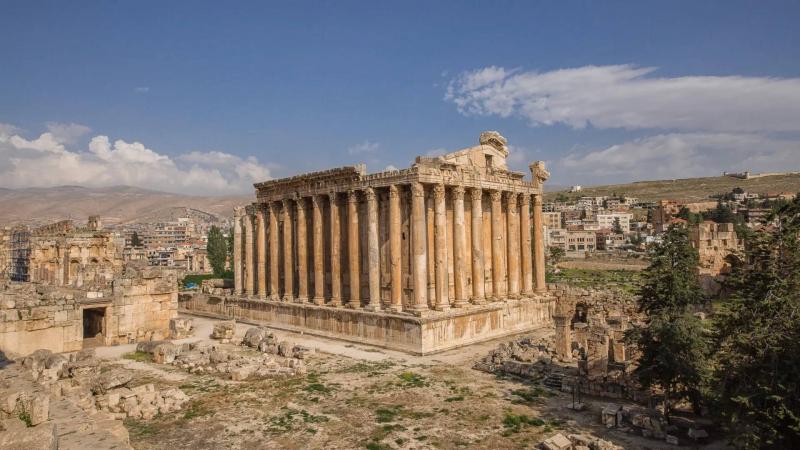
Lebanon, with its diverse geography and culture, offers photographers a wide array of options within a relatively short distance. From mountains, valleys, and waterfalls to the sea, ancient cities, and archaeological sites, there are various scenes suitable for nature, architectural, and tourism photography.
Additionally, the beauty of some locations changes significantly depending on the time of day. Sunrises provide soft lighting to archaeological sites, while sunsets add warm colors to the coast and mountains. Here are the top destinations that should be on every photographer's list in Lebanon.
Places to Capture Stunning Photos in Lebanon
1. Jeita Grotto - Keserwan
Jeita Grotto is one of the most famous natural landmarks in Lebanon, offering photographers the chance to capture images vastly different from traditional outdoor scenes. The grotto features astonishing limestone formations that have developed over thousands and millions of years, along with the dramatic ambiance provided by its passageways and rock cavities.
The underground waters and internal environment add a unique visual element, especially for close-up shots of the stone formations. It's essential to adhere to photography regulations within the site, which may include restrictions on certain equipment usage or shooting in specific areas to preserve the site and ensure visitor safety.
2. Baatara Gorge Waterfall - Tannourine
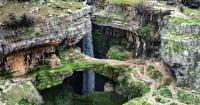
Located in Tannourine, Baatara Gorge Waterfall is one of the most thrilling natural photography spots in Lebanon. The waterfall plunges from a towering height into a natural rocky chasm, offering a unique visual composition. The site also features three naturally stacked rock bridges, with water flowing through the deep cavity creating a scene of rocks, water, and greenery.
Diverse shots can be captured from various angles, whether from elevated viewpoints or near the trails leading to the waterfall. The area's allure intensifies during periods of high water flow, so the scene varies from season to season depending on rainfall and weather conditions.
3. Pigeon Rock - Beirut
A photographic destination list in Lebanon wouldn't be complete without Pigeon Rock, an iconic natural symbol of Beirut. Situated off the coast of the Raouché area, the rock offers panoramic views ideal for photography from the Corniche or sea boats. Sunset is considered one of the best times to capture images that combine the rock, sea, and sky with their changing colors.
On the other hand, boat trips allow shots of the rock from a different perspective, especially when the waters are calm, reflecting sunlight. Shooting from the Corniche provides a chance to merge the rock with the horizon in a wide image, making it a popular spot among photographers and visitors alike.
4. Heritage Houses in Douma - Batroun
Douma in Batroun offers a distinct model for photography, featuring traditional buildings, stone streets, and red-tiled roofs. The village's traditional architecture provides photographers with a vast array of visual details such as stone doors, windows, balconies, and old alleys, adding a cinematic feel to the images.
Moreover, Douma's center includes a historical market and structures that reflect the village's evolution over decades, allowing for scenes that combine architecture and daily life. Morning light or pre-sunset periods are particularly suitable for outdoor shoots, helping highlight the stone and tile details.
5. Harissa's Panoramic Overlook - Harissa
The Harissa area features a widespread view of Jounieh Bay and the Mediterranean Sea, making it a suitable destination for panoramic photography in Lebanon. From the high points, images can encapsulate the sea, mountains, and city in one frame, while the surrounding greenery adds a colorful diversity to the shots.
The site can be combined with a visit to the Shrine of Our Lady of Lebanon, using the elevations for wide images of Jounieh Bay, especially during sunrise or sunset. On clear days, the distant view emphasizes the coastline's expanse and mountains, making images more profound and extensive.
6. Bnachii Lake - Zgharta
Bnachii Lake, located in Zgharta, northern Lebanon, features a scene combining water, mountains, and greenery. The lake offers multiple angles for photography, particularly using reflections of mountains, trees, and boats on the water's surface. The colorful boats add a vibrant element that can be incorporated into natural shots.
The surrounding area provides an opportunity for peaceful captures away from city crowds, especially in the morning when the water is calmer. The lake is an excellent choice for landscape and family trip photos and can be paired with visiting several nearby tourist areas in northern Lebanon.
7. Baalbek Roman Ruins - Bekaa
Baalbek is one of the most important archaeological sites in Lebanon, offering photographers the chance to capture images that combine history with colossal architecture. The ancient city is characterized by its massive columns and temple stones, particularly the Temples of Jupiter, Bacchus, and Venus, reflecting the grandeur of ancient Roman architecture.
The site provides numerous angles for photography, whether wide shots showcasing the immensity of the site or close-ups focusing on column details, carvings, and stones. Many photographers prefer early morning or pre-sunset hours when the light is softer and shadows enhance the ancient architecture's details more clearly.
8. Old Batroun Port - Batroun
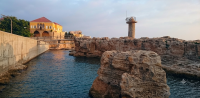
Though the title highlights seven destinations, the Old Batroun Port deserves additional mention for photography enthusiasts, especially with its natural sea wall known as the walls of the sea. The site features rocks intertwined with the sea waves, while the surrounding stone alleys, buildings, and cafes add a distinct Mediterranean atmosphere.
Diverse shots can be captured at the port throughout the day and at sunset, combining the sea, rock wall, and old architecture in one scene. The region's beauty intensifies in the evening when the lights from cafes and old buildings start to appear, providing the images with a warm and unique character.
Best Times for Photography in Lebanon
Capturing a beautiful photo depends not only on the location but also on the timing. Early morning and pre-sunset hours are optimal for outdoor photography due to the softness of the lighting and the reduced intensity of shadows.
Coastal sites like Pigeon Rock, Batroun, and Harissa can be wonderful at sunset when the sky changes colors and light reflects on the sea's surface. Conversely, archaeological sites like Baalbek require careful consideration of shooting angles, as strong shadows during midday may reduce the visibility of architectural details.
Tips for Capturing Stunning Photos in Lebanon
Photographers can take advantage of Lebanon's varying altitudes and landscapes to create diverse images, whether using a smartphone or a professional camera. It's best to search for unconventional angles instead of relying on typical tourist photos.
Elements such as boats, stone doors, trees, and mountains help create depth in the image. Additionally, the reflection of water in lakes and harbors can add a strong visual element.
In natural and archaeological sites, it's essential to respect site guidelines and avoid climbing dangerous spots or touching natural and archaeological formations, especially in sensitive locations.
In conclusion, Lebanon remains a destination offering photographers a vast number of scenes within short distances, making a single trip an opportunity to capture a diverse set of images documenting nature, heritage, and coastal life all within one country.
See Also
5 Islands to Visit in Lebanon