


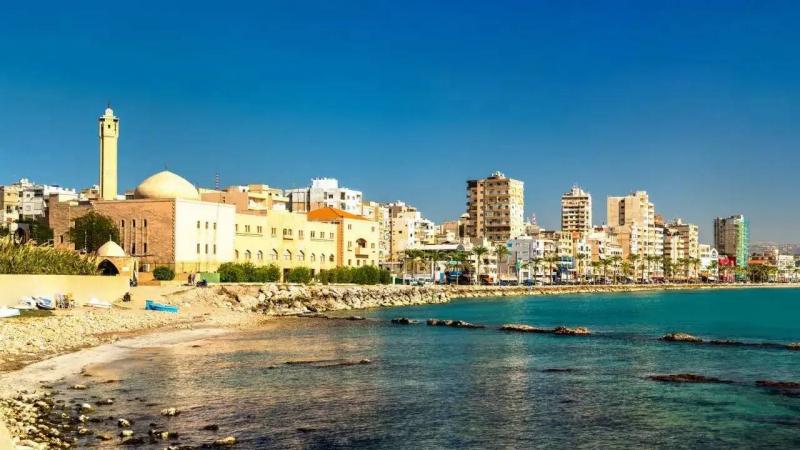
Tyre, a Lebanese city with a rich archaeological heritage, has played a crucial role in the history of the Eastern Mediterranean, especially during the Phoenician era when it served as a prominent maritime and commercial hub.
Throughout the succession of civilizations, Tyre has accumulated layers of archaeological sites, which continue to testify to its historic significance.
The historical landmarks in Tyre span both the mainland and ancient maritime areas, featuring remnants of streets, public structures, cemeteries, churches, and ports, establishing the city as one of Lebanon's prominent archaeological destinations.
Highlighting Tyre's Historical Landmarks:
1. The Roman Archaeological Site
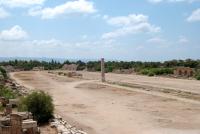
The Roman archaeological site in Tyre is a major highlight, revealing significant chapters of the city’s past. It includes the remains of a wide Roman street flanked by stone columns, alongside structures that were part of the ancient city.
This site showcases Roman and Byzantine period artifacts, providing visitors with insights into the urban life in Tyre during that era.
2. The Roman Hippodrome
The Roman Hippodrome in Tyre is one of Lebanon's most notable Roman relics, formerly hosting chariot races and public events.
This vast venue remains one of the largest preserved Roman hippodromes in the region.
3. The Roman Cemetery
Tyre's archaeological area contains several graves and tombs dating back to the Roman and Byzantine periods. The inscriptions and decorations provide insights into the burial rituals and funeral arts of that time, offering researchers and visitors a unique perspective on the city’s history.
4. The Roman Columns
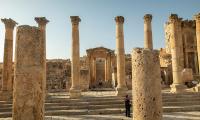
Scattered throughout Tyre's archaeological zone are stone columns that are remnants of buildings and public streets flourishing during the Roman and Byzantine times.
These columns demonstrate the use of stone and monumental architecture in the city's old public buildings.
5. The Ancient Tyre Cathedral
The remains of old churches in Tyre reveal the burgeoning Christian presence during the Byzantine period. The ruins of religious buildings and associated architectural parts reflect the religious and architectural transformations in Tyre following the Roman era.
6. The Ancient Phoenician Harbor
Tyre's history is intricately linked to the sea, with the harbor being crucial to its commercial flourish during the Phoenician period. The city’s maritime location enabled the development of trade and navigation, connecting Tyre to various Mediterranean regions, reinforcing its standing as a key maritime center in antiquity.
7. The Old City and Archaeological Site
Tyre includes two main archaeological sites, both on land and its maritime part, revealing different stages of its urban evolution. The archaeological remnants highlight successive Phoenician, Roman, and Byzantine civilizations, leading to Tyre’s inclusion in UNESCO's World Heritage List in 1984.
Why Tyre is Among Lebanon's Top Historical Cities
Tyre's history extends beyond a single era, witnessing successive civilizations and political periods that left their mark on its architecture and culture.
It played an essential role in Phoenician maritime trade and was famed for its production of purple dyes, a commodity associated with its name and trade prominence.
The current archaeological sites help decode the city's history, from the Roman streets and public structures to the graves, churches, and ports linked to its maritime history.
Best Time to Visit Tyre's Historical Landmarks
Tyre can be visited year-round, yet spring and fall typically offer favorable conditions for outdoor tours and exploring archaeological sites.
Summer offers an opportunity to combine historical exploration with enjoying the city’s coast, though visitors should be mindful of high temperatures during the daytime.
It is recommended to allocate ample time for a thorough tour, as Tyre’s archaeological sites span multiple areas within the city.
In conclusion, the 7 historical landmarks in Tyre offer a glimpse into a city known for its Phoenician civilization and maritime trade, and which experienced urban development during the Roman and Byzantine eras.
The Hippodrome, Roman archaeological site, tombs, columns, and harbor are among the essential stops when visiting the city.
See Also:
10 Historic Castles in Lebanon