


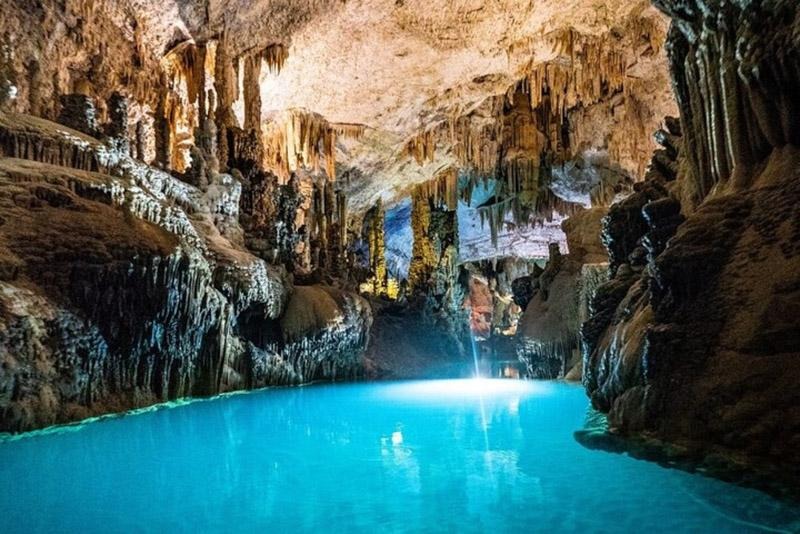
Lebanon boasts a diverse geographical landscape, combining mountains, valleys, and rivers, and is home to numerous natural springs. These springs form a crucial part of the nation's water resources and picturesque landscapes across various regions.
The springs vary in size, water flow, and location, with some linked to water systems that feed the rivers. Others have become popular tourist destinations, offering spots for leisure and enjoyment during spring and summer.
Famous Springs in Lebanon:
Jeita Spring
Jeita Grotto
The Jeita Spring is part of a groundwater system fed by rain and snow in Keserwan. It stands out as a prominent natural water source in the region.
Jeita is renowned for its grotto, one of Lebanon's top tourist attractions, featuring two main caverns within a distinctive natural environment.
The surrounding area of Jeita, with its lush greenery, presents an ideal setting for nature enthusiasts aiming to explore both the natural wonders and nearby green spaces.
Al-Assi Spring in Hermel
Hermel
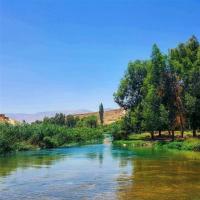
Al-Assi Spring is among Lebanon's most famous natural springs, located in Hermel, North Bekaa. Its waters form the headwaters of the Al-Assi River, flowing northward beyond Lebanese borders.
The surrounding area has a unique natural setting, unlike many other Lebanese regions, featuring various historic and natural sites to explore.
Visitors flock to Al-Assi Spring to enjoy the waters and the natural setting, with nearby restaurants and seating areas offering a pleasant family-friendly atmosphere.
Ain El Delb Spring in Jezzine
Jezzine
Jezzine is known for its mountainous terrain, waterfalls, and forests. It hosts numerous water sources and natural springs that enhance its beauty.
Ain El Delb is a standout natural site within the area, surrounded by a verdant mountainous landscape, perfect for leisurely strolls and enjoying calm settings away from bustling cities.
Jezzine also offers various trails and natural spots that visitors can explore together, especially in spring when nature is at its peak.
Al-Bardouni Spring in Zahle
Zahle
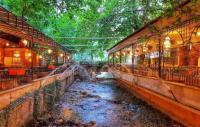
Al-Bardouni Spring is part of the Bardouni River, which flows through Zahle, contributing significantly to the city's natural and touristic appeal.
The riverbanks are lined with restaurants and seating areas, making Bardouni an integral part of Zahle's visitor experience, especially in the summer, with its mild climate and picturesque surroundings.
Why Are Lebanese Springs Popular?
Lebanese springs are uniquely situated between mountains and valleys, with many linked to groundwater sources fed by rain and snow.
They play a vital role in the country’s water system, with some springs feeding rivers and waterways, while others provide water for residential and agricultural use.
Meanwhile, many springs have turned into tourist attractions due to their natural beauty and accessibility.
Best Time to Visit Lebanese Springs
Spring is ideal for visiting springs and natural areas in Lebanon, with rising water levels and blossoming greenery.
Summer offers an excellent opportunity for family trips and excursions in mountainous regions, where the temperatures are more moderate than along the coastlines.
It’s advisable to check road conditions and access to springs, especially following rain or during winter.
Eco-Tourism Around Springs
Visiting springs goes beyond just witnessing the water; it can turn into a comprehensive tourist experience exploring nearby forests, valleys, and nature trails.
Many areas surrounding the springs offer seating, restaurants, and outdoor activities, while others have a tranquil rural charm suitable for hiking, photography, and appreciating nature.
Maintaining cleanliness and safeguarding these sites from waste or damage to plants and water sources is essential, as springs represent significant natural and environmental resources.
Lebanon’s Springs: Between Nature and Water Resources
Springs form a fundamental part of Lebanon’s natural identity, serving as more than picturesque spots to visit, but linking to the nation’s water, ecological, and agricultural systems in several regions.
From Jeita in Keserwan to Al-Assi in Hermel, and from Ain El Delb in Jezzine to Al-Bardouni in Zahle, these sites offer diverse models of Lebanese landscapes and geographic variety.
With growing interest in eco-tourism, springs and their surrounding areas can become top destinations for those keen to explore Lebanon's natural and rural sides.
Conclusion
Lebanon is home to a wide array of natural springs spanning mountains, valleys, and rural areas, serving as water sources, natural attractions, and tourist destinations.
Jeita Spring, Al-Assi Spring, Ain El Delb Spring, and Al-Bardouni Spring rank among the most notable sites worthy of exploration, especially for nature lovers and photographers.
Visiting these locations offers an opportunity to discover Lebanon’s natural diversity while emphasizing the importance of maintaining cleanliness and protecting water sources from pollution and neglect.
See Also: Nancy Ajram's Wealth in 2026, Best Photography Spots in Hamra Street, Places Preferred by Arab Tourists in Lebanon, 7 Natural Lakes in Lebanon