


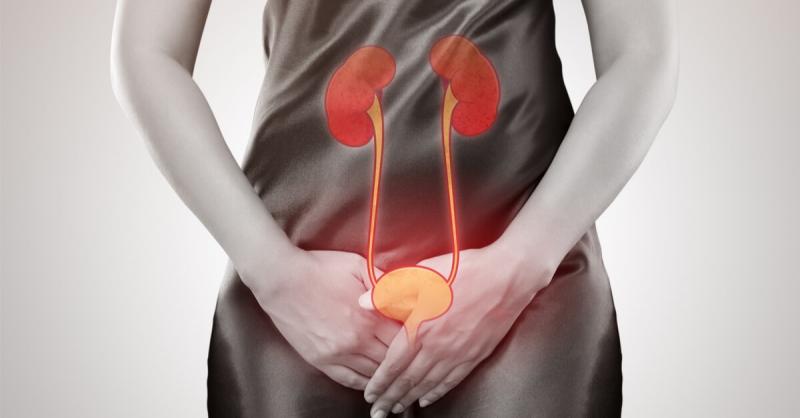
Urination is a natural process that typically doesn’t require effort. Therefore, experiencing difficulty in starting urination or a weak urine flow might indicate a potential issue within the urinary tract. The causes can vary depending on age, gender, and accompanying symptoms.
Difficult urination can sometimes be temporary, caused by an infection or irritation in the urinary tract. In other cases, it may result from kidney stones, a narrowing of the urethra, or problems with the bladder or prostate.
Why is Urination Difficult?
Several reasons can contribute to challenging urination. Here are some common causes:

Urinary Tract Infections
Infections can lead to difficult urination, often accompanied by a burning sensation, pain, and frequent urges to urinate, resulting in small urine quantities each time.
Urinary Stones
Stones can impede urine flow when they move into narrower parts of the urinary tract. This may cause side, back, or abdominal pain, and sometimes blood in the urine.
Prostate Enlargement
Prostate enlargement is a common cause of urination difficulty in men, particularly with aging. Symptoms include weak urine flow, difficulty starting urination, urine flow interruption, and incomplete bladder emptying.
Urethral Stricture
Narrowing of the urethra from injury, infection, or past medical procedures can weaken urine flow and make urination difficult.
Bladder Issues
Certain bladder disorders can affect its ability to contract and empty normally, leading to the sensation of incomplete urination.
Severe Constipation
Accumulated stool in the intestines can press on the bladder and urinary tract, sometimes causing temporary urination difficulty.
Certain Medications
Some medications can increase the risk of urinary retention or difficult urination, especially those affecting bladder muscles or the nervous system. It’s important to inform your doctor about all medications and supplements being taken.
What Are the Symptoms of Urination Difficulty?
Beyond slow urine flow, other symptoms may include:
- Difficulty starting urination.
- Weak urine stream.
- Interruption of urine flow.
- Urge to press or exert effort to urinate.
- Feeling of incomplete bladder emptying.
- Frequent urination urges.
- Burning or pain during urination.
- Only small urine amounts at a time.
These symptoms together can help a doctor determine the potential cause.
Does Difficulty Urinating Indicate an Infection?
Not necessarily. While a urinary tract infection is a possible cause, it is not the only one. Other reasons can include prostate enlargement in men, urethral stricture, or bladder disorders. Thus, taking antibiotics without a confirmed cause is not recommended.
Do Kidney Deposits Cause Urination Difficulty?
Stones or deposits moving within the urinary tract can affect urine flow based on their location and size. However, kidney deposits do not always lead to urination difficulty. Symptoms like intense pain in the flank, back, or abdomen, blood in urine, and nausea might indicate kidney stones rather than difficulty in urination.
When Is Urination Difficulty Serious?
If an individual is completely unable to urinate despite feeling a full bladder, this indicates acute urinary retention and requires immediate medical attention. Immediate care is also necessary for severe urination difficulty combined with strong pain, visible blood in urine, fever, chills, or flank pain. Recurrent or persistent urination difficulties, even if mild, should be assessed by a physician to find the cause and avoid complication progression.
How Does a Doctor Diagnose the Problem?
Diagnosis is based on symptoms, medical examination, and health history. A urine analysis might be requested to detect signs of infection or blood. Additional tests may be needed depending on the individual's condition. Men may require prostate evaluations if symptoms suggest enlargement.
How Is Difficulty in Urination Treated?
Treatment depends on the cause. For urinary tract infections, the doctor will prescribe appropriate treatment after evaluation. Stones may require monitoring or treatment based on size and location. Prostate enlargement is managed with treatments tailored to symptom severity.
If acute urinary retention occurs, urgent bladder emptying may be necessary, followed by addressing the underlying cause. Hence, there is no one-size-fits-all treatment for urination difficulties. Medication should not be used without understanding the cause.
Difficulty in urination can be linked to various causes, primarily urinary tract infections, stones, prostate enlargement, urethral stricture, and bladder disorders. It can be a simple, temporary issue but may require medical evaluation in some cases. If unable to urinate at all or experiencing severe pain, fever, or blood in urine, it’s important to seek medical care promptly. Recurrent urination difficulties warrant seeing a doctor for diagnosis and appropriate treatment.
See Also:
Do Kidney Deposits Cause High Blood Pressure?