


When travelers think of destinations ideal for movie filming, the mind often wanders to European castles, towering caves, dense forests, and mountainous valleys. However, Lebanon combines all these elements within a relatively small geographic space, making it one of the visually diverse countries in the region.
The surprise lies in the fact that these scenes are not studio-designed sets but real places shaped by nature and history over millennia. Moreover, the proximity of these sites offers visitors the chance to explore diverse terrains and experiences during a single trip, from deep underground to mountain peaks.
Why Do These Locations Seem Cinematic?
The allure is not merely in the beauty of the place but in the interplay of several elements within a single scene. In some spots, rocks and shadows create a mysterious atmosphere, while Roman ruins in others evoke a sense of grandeur and history.
Conversely, ancient mountain villages and towering forests offer a completely different scene, especially in winter or when fog envelops the slopes. Each destination offers a unique film-type setting, from adventure and fantasy films to historical and dramatic works.
5 Scenic Spots in Lebanon That Feel Straight Out of a Movie
1. Jeita Grotto in Keserwan: An Underground Wonder
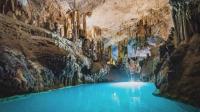
Jeita Grotto tops the list of places that transport visitors to another planet. Located in the Nahr el-Kalb Valley in the Keserwan region, this natural landmark comprises a system of caves shaped by water and geological processes over time.
The grotto features subterranean layers and different-sized limestone formations, making some halls appear tailor-made for a science fiction film. The varying nature of the upper and lower parts adds to the thrill, with the upper part accessible on foot and the lower part involving boats along an underground river when conditions allow.
Moreover, the lighting within the caves and the massive stone formations offer an exceptional visual appeal, with rocks appearing in layered forms resembling stone curtains and natural columns.
This makes Jeita a prime spot for photographers and content creators seeking unconventional scenes without the need for visual effects.
2. Baalbek: A Roman Epic in Stone
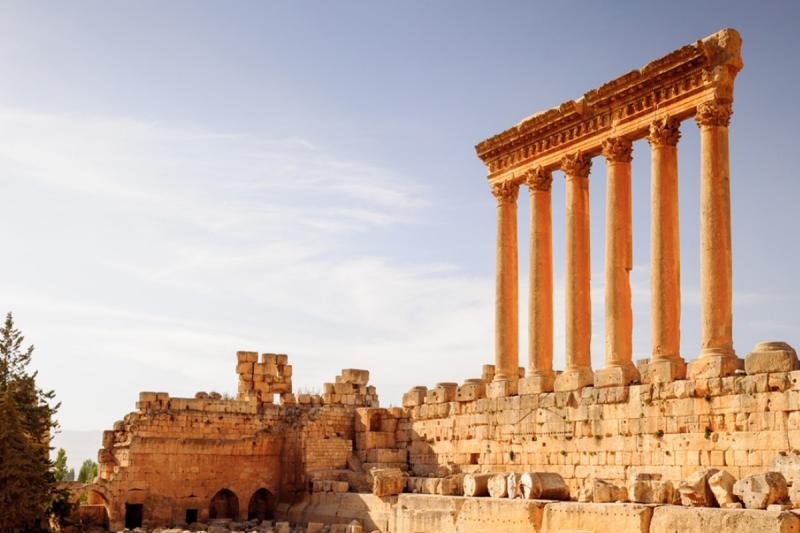
The archaeological area features massive temples, the most notable being Jupiter, Bacchus, and Venus temples, along with other architectural elements. UNESCO describes Baalbek as one of the finest examples of Imperial Roman architecture, housing some of the largest surviving Roman temples today.
What gives the site its cinematic quality is the monumental stone blocks, columns, and carvings that surround visitors. Standing before these colossal columns, it's hard to fathom that they were constructed centuries ago with techniques vastly different from modern methods.
Baalbek's location in the Bekaa Valley with surrounding mountains adds another visual dimension, with light and shadows accentuating the old stones in ways that make the place feel like a historic film set about ancient empires.
The site's value is enriched by its blend of history, myth, and architecture, making it more than just a collection of ruins, but a space where visitors can imagine the life of a city that was once an important religious center in the region.
3. Qadisha Valley: A Fantasy of Rocks and Mist
While Baalbek feels like it sprung from a historical film, Qadisha Valley visually belongs to the world of fantasy and adventure. Located in North Lebanon, it is also known as the "Holy Valley," long connected to monastic and Christian life in the area.
Its primary appeal lies in its rugged mountain nature, with dramatic scenes of rocks, deep valleys, and mountain trails that evolve with weather and seasons. The area is dotted with monasteries and hermitages that have been intertwined with a long history of religious life, isolation, and contemplation.
UNESCO notes that Qadisha Valley is one of the world's most significant early Christian monastic settlements, with its rock-hewn slopes sheltering numerous monasteries for centuries. The valley, along with the Forest of the Cedars of God, was listed as a World Heritage Site in 1998.
The scene changes distinctly between summer and winter, with clear days revealing rocky layers and mountain paths, while fog and clouds in cooler seasons add a layer of mystery.
4. Deir el-Qamar in the Shouf: A Romantic Movie Set
Situated at about 800 meters elevation, Deir el-Qamar is known for its architecture blending stone and terracotta with traditional details. Its distinct look, with stone houses and red roofs, gives it a unique visual charm.
Strolling through the town center highlights the stark difference between this scene and modern Lebanese cities. The alleys, squares, and historic buildings create a sense of stepping back in time, especially when streets are quiet and uncrowded.
Moreover, Deir el-Qamar's importance stretches beyond its aesthetic beauty, tied to significant political and social history in Mount Lebanon, offering visitors insights into different eras of the region's history.
Cinematically, the town is particularly suited for historical and romantic films, with its squares and stone buildings providing a natural backdrop for stories set in another time. The red terracotta and stone facades add a warmth contrasting sharply with Qadisha’s harsh mountain imagery.
5. Forest of the Cedars of God in Bsharri: A Legendary Landscape
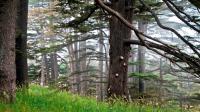
Located on Mount Makmel at elevations ranging between 1900 and 2050 meters, the Forest of the Cedars of God is part of the Qadisha Valley and Cedars of God World Heritage Site. UNESCO states the remaining trees represent parts of the ancient cedar forest invaluable in old-world civilizations.
The forest experience is distinct from other locations on this list, as nature is the primary focus. With massive trees, high altitudes, crisp air, and winter snows, it creates an exceptionally unique scene.
The significance of the Forest of the Cedars of God is not limited to visual beauty; the remaining trees bear witness to a long environmental and cultural history. UNESCO highlights that cedar was highly prized in ancient times, especially for constructing grand religious edifices.
What Unites These Five Places?
Despite the considerable differences among Jeita, Baalbek, Qadisha, Deir el-Qamar, and the Cedars of God, they share a common feature: their ability to offer a visual experience that transcends traditional tourist sites.
In Jeita, visitors enter an underground realm formed by water and geology. In Baalbek, they transition to the world of ancient empires and grand architecture. Qadisha merges harsh nature with monastic history, while Deir el-Qamar showcases historical mountain architecture. Meanwhile, in the Forest of the Cedars of God, trees, mountains, and weather become part of the scene.
Moreover, these sites reveal Lebanon's geographical and cultural diversity. In a small area, visitors can travel over relatively short distances from the coast to caves, Roman ruins, deep valleys, historic villages, and towering mountains.
The Best Time to See Lebanon’s Cinematic Landscapes
The experience varies by location and season. Jeita Grotto offers an indoor experience unaffected by weather. Baalbek is most captivating when natural lighting highlights the details of its columns and stone facades.
Qadisha Valley's appearance changes significantly with weather, as mist and clouds add to its visual allure on some days. Deir el-Qamar is best enjoyed in mild weather, allowing exploration of its historical buildings and squares.
Conversely, the Forest of the Cedars of God offers a different experience during winter when snow blankets the heights, while warmer seasons provide a better opportunity to explore the natural area and enjoy mountain views.
Lebanon: A True Destination for Exceptional Scenic Lovers
Cinematic places don't always require digital effects or massive studios. Sometimes, a cavern carved by water over the ages, a colossal Roman temple, a deep mountain valley, a historic village, or an ancient tree forest makes the scene more convincing than any fabricated set.
These five destinations highlight the diversity that makes Lebanon distinct from many other regional tourist spots. Each site has its own visual and historical identity, while collectively offering a broader picture of a country where nature coexists with civilization and history intertwines with daily life.
In the end, Lebanon's attraction isn't just in its resemblance to film sites but in the fact that these are genuine places bearing stories thousands of years old, blending nature, history, and architecture in scenes hard to replicate.
For travelers seeking unconventional places to photograph and explore, these sites offer not only beautiful backdrops but also an opportunity to discover different layers of Lebanon's history, nature, and culture.