


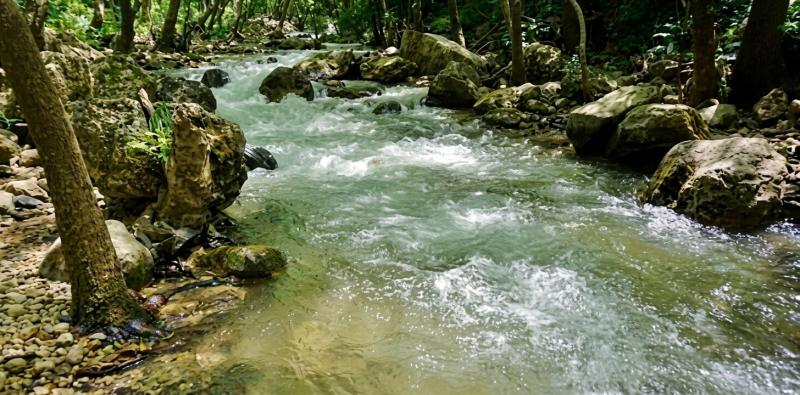
Lebanon's rivers are some of the most prominent natural landmarks that grant the country its unique environmental and tourist status in the Middle East. Despite Lebanon's small geographical size, it boasts a rich water network of perennial rivers originating from the mountains and valleys, eventually flowing into the Mediterranean Sea or towards neighboring countries.
These rivers are not merely water streams; they have played vital roles in agriculture, energy generation, and providing drinking water. Furthermore, many are linked to Phoenician myths and historical events that have impacted the successive civilizations in Lebanon.
Famous Lebanese Rivers and Their Importance
Lebanese rivers vary between long rivers that form main economic arteries and others known for their historical value or mesmerizing natural beauty. Below is a list of the most notable ones.
1. Litani River
The Litani River is the longest and most economically significant river in Lebanon, stretching about 170 kilometers. It originates from the Bekaa Valley, passes through Lake Qaraoun, then heads west to the Mediterranean Sea north of Tyre.
It forms the backbone of Lebanon's agricultural projects and supports several hydroelectric projects, making it the country's most vital water artery.
2. Orontes River
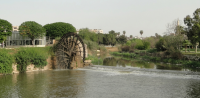
The Orontes River is unique among the region's rivers, flowing northwards into Syria, then Turkey before emptying into the Mediterranean. Its name "Orontes" indicates its unusual direction against the typical flow of neighboring rivers.
Beyond its water significance, the river has become a popular destination for adventurers and rafting enthusiasts in the Hermel area, drawing thousands of visitors annually with its scenic landscapes.
3. Ibrahim River (Adonis River)
The Ibrahim River is one of Lebanon's most beautiful and historically rich rivers. It rises from the Afqa cave in the higher Byblos area, carving through a deep valley flanked by mountains and forests.
Additionally, the river is associated with the Phoenician god Adonis. It is said that in spring, its waters turned red due to mixing with red soil from the mountains.
4. Dog River
The Dog River, north of Beirut, is one of Lebanon's most significant historical sites. It rises from springs and caves in the Keserwan region before flowing into the Mediterranean.
It is famous for its ancient rocks bearing inscriptions left by various civilizations and armies over thousands of years, from the Pharaohs and Assyrians to modern powers that passed through the area.
5. Kadisha River (Abou Ali River)
This river originates near the Cedars of God in Bsharri, flowing through the famous Kadisha Valley, classified as a UNESCO World Heritage Site.
Apart from its natural beauty, the river passes by historic monasteries and hermitages perched on the valley's slopes. By the time it reaches Tripoli, it is known as the Abou Ali River, before emptying into the sea.
6. Hasbani River
The Hasbani River is one of the main rivers in southern Lebanon, rising from the slopes of Mount Hermon and the surrounding highlands of Hasbaya. It serves as a primary tributary to the Jordan River, playing a significant role in irrigating the agricultural lands and orchards spread across the southern region.
7. Damour River
The Damour River rises from the Shouf Highlands, flowing through several mountain villages before reaching the Lebanese coast south of Beirut. On its banks, natural parks and countryside restaurants attract visitors in the summer. Moreover, the surrounding region is famous for citrus and banana farms benefiting from its abundant waters.
8. Awali River
The Awali River is a notable river in southern Lebanon, originating from the Shouf mountains before heading towards Sidon, where it empties into the Mediterranean. Its strategic importance is underscored by water projects that provide drinking water and generate electricity, making it a vital resource for the region.
9. Great Southern River
Forming the natural border between Lebanon and Syria at the far north, the Great Southern River rises from springs and streams in the Akkar region. It holds significant geographical importance as it marks the boundary between the two countries, supporting local agricultural activities.
10. Jawz River
Located in the Batroun Governorate, the Jawz River is known for its beauty and tranquility. Originating from the northern heights, it passes through historic villages and unique archaeological sites.
It is characterized by ancient stone bridges and historic water mills along its course, giving it a heritage charm that attracts nature and photography enthusiasts.
What Makes Lebanon's Rivers Stand Out?
Lebanon's rivers have exceptional importance due to the proximity of mountains to the coast, allowing water to flow across relatively short distances within diverse landscapes. Additionally, these rivers combine environmental, economic, and tourist value, providing water for agriculture and energy while offering visitors opportunities for leisure and adventure.
Many of these rivers are also associated with ancient civilizations and historical myths, adding a cultural dimension that makes them more than mere water resources.
In conclusion, Lebanon's rivers unveil a fascinating aspect of the country’s natural wealth, shaping its identity and civilization over centuries. From the Litani River, which supports agriculture and energy, to the Orontes defying traditional flows, and from the myth-linked Ibrahim River to the sacred Kadisha Valley, these rivers present a unique blend of beauty, history, and economic significance. With the growing interest in eco-tourism, Lebanon's rivers remain among the most treasured natural wonders that warrant discovery and preservation for future generations.
See also: Touch Internet Packages in Lebanon, 5 Beautiful Forests in Lebanon, 5 Stunning Waterfalls in Lebanon