


The New York Times has revealed that in early August, Saudi Arabia requested the United States to hold off on a planned military strike against Iran. The request was made amidst fears that the operation would provoke a wide-ranging Iranian retaliation against neighboring countries, at a time when U.S. forces were under pressure regarding their defense missile stockpiles.
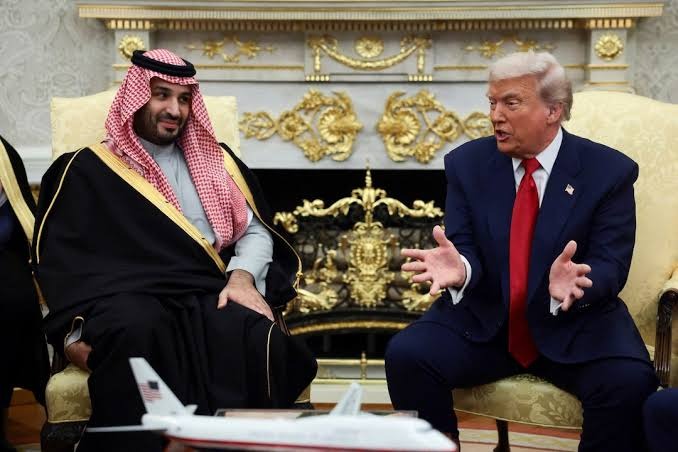
According to the report, Saudi Crown Prince Mohammed bin Salman informed U.S. President Donald Trump that a new strike on Iran might lead Tehran to launch retaliatory attacks on targets in surrounding countries, posing significant risks to regional security.
Trump had previously announced that Washington decided against proceeding with the strike following requests from Iran, Saudi Arabia, the United Arab Emirates, and Qatar to allow another chance for diplomatic avenues.
However, the report indicated that Saudi Arabia's stance was also influenced by security and military concerns, primarily over the U.S. military's capacity to adequately protect regional countries in the event of an extended series of mutual attacks.
The newspaper noted that Riyadh is worried about the depletion of the U.S.'s air defense missile stockpiles, especially the Patriot and THAAD systems, due to ongoing military operations against Iran.
These concerns have intensified after Iranian strikes during the confrontation demonstrated a capacity to bypass certain layers of air defense, heightening fears that key installations, bases, and strategic targets in the region could suffer significant damage if conflict escalates.
As a result, the Saudi Crown Prince pressed Trump to de-escalate and avoid new military actions that could prompt a broad Iranian response amidst the pressures on U.S. defense capabilities.
These developments occur amid ongoing tension following Trump’s declaration on July 8 that a ceasefire agreement with Tehran was no longer in effect, which led to a series of U.S. strikes on Iranian targets and reciprocal attacks on American bases in the region by Tehran.
In addition to military options, Trump mentioned his readiness to intensify economic pressure on Iran, saying Tehran is facing significant economic challenges. This comes against the backdrop of the Strait of Hormuz crisis and the terms for reopening it to commercial navigation remaining major contentious issues.
Saudi Arabia's concerns underscore a dilemma facing Washington in managing its confrontation with Iran. Any new military escalation might not remain confined to the two powers but could extend to vital bases and installations in regional countries, making air defense and ally protection paramount in the calculus of any new U.S. strike.