


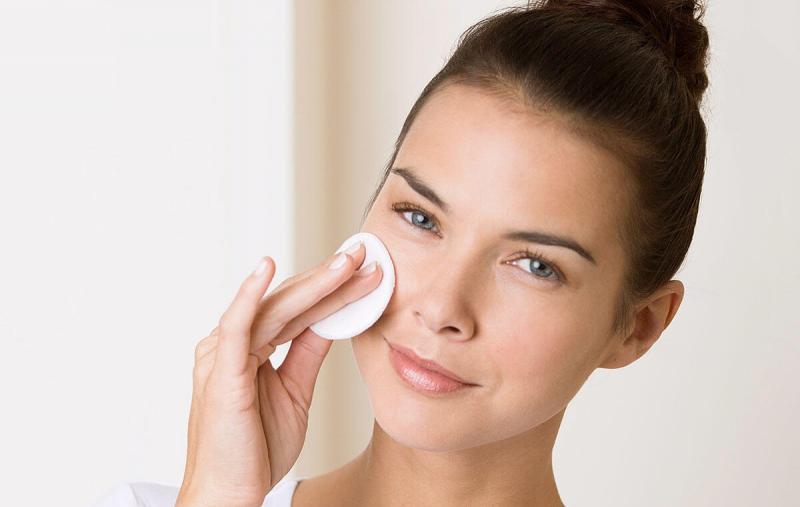
Skincare is a crucial step recommended by dermatologists and skincare experts. During nighttime, your skin undergoes natural renewal and repairs damaged cells due to sun exposure, pollution, and daily stress.
Failing to cleanse your face before bed can result in the buildup of oils, dirt, and makeup residues in your pores, leading to breakouts, blackheads, and a loss of skin vitality. Hence, maintaining a consistent routine tailored to your skin type, without randomly using numerous products, is advised.
How Does the Skin Function During Sleep?
While sleeping, skin repair and moisture replenishment become more effective, and collagen production increases compared to daytime hours. Thus, moisturizing and treatment products are more effective when applied at night.
Additionally, with reduced exposure to external factors like sunlight and dirt, active ingredients have a better chance of absorption and delivering noticeable results with consistent use.
Steps for a Nighttime Skincare Routine
Following the steps in the correct order ensures the best benefit from each product and prevents ingredient interference.
1. Complete Makeup Removal
If you use cosmetics or sunscreen, it's essential to remove all residues first using micellar water or an appropriate oil-based cleanser. This step helps dissolve waterproof makeup and accumulated oils without harshly rubbing the skin.
Also, makeup removal reduces pore clogging, aiding the cleanser's effectiveness in the following step.
2. Cleansing with the Appropriate Wash
After removing makeup, use a water-based cleanser to remove residual impurities and oils. Choose a cleanser suitable for your skin type to avoid dryness or excess oil production.
It's advisable to use lukewarm instead of hot water, as hot water can strip the skin of the natural oils needed to maintain its protective barrier.
3. Using Toner
Toner helps restore the skin's balance after cleansing and preps it for better absorption of subsequent products. Not everyone needs an alcohol-based toner; instead, choose a hydrating formula with soothing ingredients like rose water, panthenol, or niacinamide according to your skin's needs.
4. Applying Serum
This stage is one of the most crucial parts of the nighttime routine, as serums contain a high concentration of active ingredients.
You can choose a serum based on the desired goal:
- Hyaluronic acid for hydration.
- Niacinamide to minimize pore appearance.
- Retinol for combating aging signs.
- Vitamin B5 for calming the skin.
- Peptides to support skin elasticity.
It's important not to use more than one potent ingredient on the same night unless it's suitable according to product instructions or on specialist's recommendation.
5. Eye Cream
The sensitive area around the eyes needs special care. Eye cream helps hydrate the skin and reduce the appearance of fine lines and dryness, giving the area a brighter look with regular use.
6. Moisturizing the Skin
The moisturizer is the final crucial step as it helps lock in moisture and strengthen the skin's protective barrier. Consistent moisturizing reduces dryness and makes the skin texture softer over time.
7. Lip Care
No nighttime care is complete without a rich lip moisturizer, especially in dry or cold climates. It helps prevent cracks and keeps lips smooth until morning.
Order of Skincare Products Before Bed
To achieve the best results, follow this order:
- Makeup removal.
- Cleansing.
- Toner.
- Serum.
- Eye cream.
- Moisturizer.
- Lip balm.
This order is based on the simple rule of moving from the lightest to the densest formulation.

Skincare Routine According to Skin Type
Oily Skin
Oily skin requires gentle cleansing with lightweight products that don’t clog pores, preferring gel moisturizer and serums containing niacinamide or salicylic acid when needed.
Dry Skin
Dry skin needs a greater focus on hydration, preferring a creamy cleanser and a moisturizing serum followed by a rich cream with ceramides or hyaluronic acid.
Combination Skin
Combination skin benefits from balanced products that don't dry out normal areas or increase oiliness in the forehead, nose, and chin region.
Sensitive Skin
For sensitive skin, opt for fragrance-free and alcohol-free products, testing any new product on a small skin area before using it on the whole face.
Common Mistakes in Nighttime Routine
Many people make mistakes that reduce the effectiveness of their skincare routine. Some of the most notable include:
- Sleeping with makeup on.
- Over-exfoliating the skin.
- Using too much product.
- Mixing potent ingredients without knowing their compatibility.
- Neglecting skin hydration.
- Not regularly cleaning pillowcases.
- Expecting immediate results within a few days.
Tips for Optimal Results
Adhering to some simple habits can significantly improve skin appearance, including:
- Getting enough sleep each night.
- Drinking a suitable amount of water.
- Eating a balanced diet rich in vitamins.
- Continuously cleaning makeup tools.
- Applying sunscreen every morning.
- Sticking to the routine without frequent changes.
Moreover, patience is a crucial part of any routine's success, as most products require several weeks to show their true effects.
When Will You See Results from the Night Routine?
Results vary depending on skin type and the issue being treated. Some might notice improved hydration in a few days, while issues like pigmentation or fine lines might take weeks or months of regular consistency.
However, consistency is more important than the number of products. A simple and organized routine is generally more effective than using a large number of products without a clear plan.
In conclusion, a nighttime skincare routine remains one of the most impactful habits for maintaining long-term skin health and radiance. When products suitable for your skin type are selected and used in the correct order, nighttime becomes a real opportunity for cell renewal and replenishing what the skin lost during the day.
Therefore, dedicating a few minutes every evening to facial care is not just a cosmetic step, but a long-term investment in the health, freshness, and self-confidence of your skin.
See Also
Cosmetic Surgery Costs in Lebanon for Kuwaitis
Does High Blood Pressure or Heart Disease Cause Leg Swelling?