


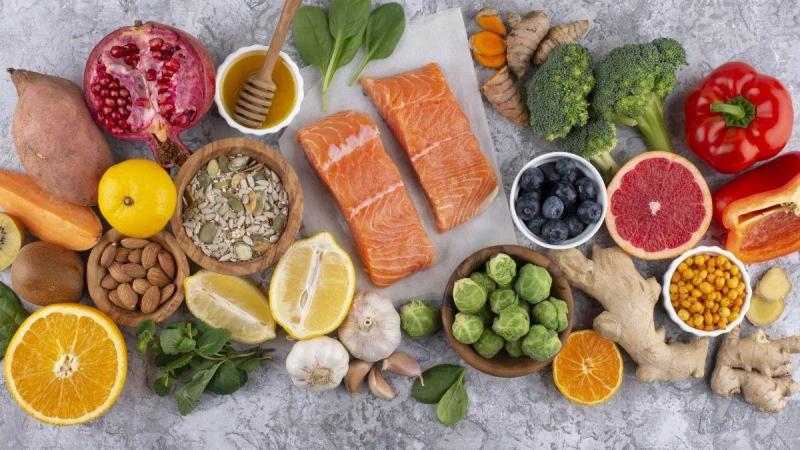
Intimate relationships are closely linked to both physical and mental health. A balanced diet rich in essential nutrients supports bodily functions that contribute to sexual health. No single vitamin alone is responsible for sexual desire or performance, but nutritional deficiencies can lead to fatigue, nerve disorders, or poor health that may affect intimate relations.
Key nutrients often highlighted in this context include Vitamin D, B group vitamins, Vitamin E, and Vitamin C, along with minerals such as zinc and magnesium. Taking supplements without a proven deficiency doesn't necessarily lead to improved desire or performance.
Key Nutrients and Vitamins Affecting Intimate Relationships

1. Vitamin D
Vitamin D is crucial for bone, muscle, and immune health, and research also explores its connection to sexual health, especially in men. Low levels have been linked to sexual function issues in some studies, though this does not prove that Vitamin D supplements can resolve these issues universally.
For symptoms linked to Vitamin D deficiency, physicians may recommend testing levels to determine the need for supplements and appropriate dosage.
2. B Group Vitamins
The B vitamin group includes types such as B12, B6, and folic acid, important for energy production, nervous system function, and blood cell formation.
Deficiencies in certain B vitamins can cause fatigue, weakness, or neurological issues, indirectly impacting sexual desire and intimacy quality.
Vitamin B12
Vitamin B12 is vital for nerve health and blood cell production. A lack can lead to fatigue, numbness, and nerve disorders, potentially affecting general health and intimate life indirectly.
Vitamin B6 and Folic Acid
These contribute to various bodily functions, making adequate intake through a balanced diet crucial for overall health.
3. Vitamin E
Vitamin E acts as an antioxidant protecting cells from oxidative stress and is naturally found in nuts, seeds, vegetable oils, and some vegetables.
Though there's insufficient evidence to support using Vitamin E solely for sexual desire or performance issues, meeting daily requirements is part of a healthy diet.
4. Vitamin C
Known for boosting immunity, tissue health, and collagen formation, Vitamin C also works as an antioxidant. Consuming fruits and vegetables high in Vitamin C fulfills daily bodily needs.
Vitamin C should not be considered an aphrodisiac, as desire and performance depend on diverse health, psychological, and hormonal factors.
5. Zinc
While not a vitamin, zinc is crucial for discussing sexual health, especially male reproductive health, supporting immune function, protein production, and DNA synthesis.
Obtaining zinc through food is typically best, with supplements needed only for verified deficiencies per medical advice.
6. Magnesium
Magnesium supports muscle and nerve functions and energy production. Low levels can cause fatigue, weakness, and other symptoms impacting daily activities.
A diet rich in magnesium from sources like nuts, seeds, legumes, and whole grains aids overall health.
Can Vitamin Deficiencies Cause Low Sexual Desire?
Some nutrient deficiencies are linked to fatigue, low energy, or health disorders affecting sexual desire. However, low desire doesn't always indicate a vitamin deficiency.
Sexual desire may also be influenced by stress, lack of sleep, emotional issues, medications, hormonal changes, chronic illnesses, and other factors.
Do Vitamins Enhance Sexual Performance?
If nutritional deficiencies exist, correcting them may improve overall health and related symptoms. However, consuming high doses of vitamins without deficiencies doesn't necessarily improve sexual performance.
It's better not to use supplements as sexual enhancers, particularly as large doses of some vitamins can be harmful.
Best Sources of Vitamins for Body Health

Most nutritional needs can be met with a balanced diet that includes:
- Fish, eggs, and protein sources.
- Dairy or fortified alternatives.
- Leafy greens.
- Citrus fruits and fresh fruits.
- Nuts and seeds.
- Legumes and whole grains.
- Meats and poultry in moderation.
It's advisable to diversify food sources rather than relying on random supplements.
When to Consult a Doctor?
If low sexual desire persists or frequent performance issues occur, seeking the underlying cause is better than randomly taking vitamins. Doctors may recommend specific tests based on age, symptoms, and medical history.
Consult a physician before taking high doses of supplements, especially when using other medications or having chronic illnesses.
Conclusion
No single vitamin is responsible for intimate relationships. Sexual desire and performance depend on body, circulatory, nervous system health, hormones, mental state, and lifestyle. Deficiency in certain nutrients, like Vitamin D or B12, can impact general health, with possible effects on intimacy.
Thus, a balanced diet, good sleep, physical activity, and addressing proven deficiencies are more vital than relying on supplements as sexual enhancers.
Also Watch
How Often Does a Woman Need Intercourse Weekly?
Symptoms of Early Menopause
The Cost of In Vitro Injections in Lebanon