



Many women are seeking the best oil for hair growth and thickening, considering it a natural way to care for their hair. However, it's important to recognize that oil alone cannot significantly change hair growth speed or treat all forms of hair loss.
Hair growth primarily relies on the health of the scalp, follicles, nutritional status, genetics, and hormonal factors.
Despite this, some oils can be beneficial in a hair care routine, especially when the goal is to reduce dryness and breakage and enhance scalp health.
Studies have shown promising results for rosemary oil in certain hair loss cases, while coconut oil has some evidence of reducing protein loss from hair strands.
Top Hair Oils:

1. Rosemary Oil
Rosemary oil is a top choice for those looking to support hair growth. A randomized clinical study comparing rosemary oil with 2% minoxidil in individuals with hereditary hair loss found no significant change in hair count in the first three months. However, both study groups showed noticeable improvement after six months, with no major differences between them at the study's conclusion.
These results suggest possible benefits, but rosemary oil isn't guaranteed to treat all types of hair loss.
2. Coconut Oil
If your hair suffers from split ends, breakage, and dryness, coconut oil might be one of the best options. Research published in medical databases indicated that coconut oil was the only oil tested that reduced protein loss from hair, whether the hair was damaged or healthy.
Reducing hair breakage can help maintain hair length longer, even if the oil doesn't accelerate follicle growth itself.
3. Castor Oil
Castor oil is popular in hair care recipes, often used by women aiming for thicker, shinier hair. However, it's important to distinguish between popularity and traditional use and scientific evidence; there's no strong clinical evidence that castor oil alone speeds up hair growth for everyone.
It can be used for moisturizing and hair care, but it shouldn't be relied upon as a treatment for hair loss.
4. Argan Oil
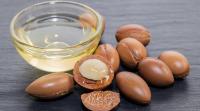
Argan oil is a good choice for dry, brittle hair, particularly when used on the hair tips. It can improve the hair's appearance and reduce dryness, but its direct ability to increase hair density or stimulate follicle growth is limited.
Its primary benefit in a hair routine is to care for hair strands and reduce the appearance of damage rather than treat hair loss at the root.
5. Almond Oil
Almond oil is used in hair care due to its moisturizing properties and can be suitable for dry or coarse hair. Using a small amount can help reduce dryness and improve hair texture, although there's not enough evidence to support that it stimulates hair follicle growth or treats hair loss.
6. Olive Oil
Olive oil can be used as a moisturizer for dry hair, especially when applied to the ends. However, there's no strong evidence that olive oil directly increases hair growth or thickness. It can be considered a part of a hair care routine, not a standalone treatment for hair loss.
7. Peppermint Oil
Peppermint oil is gaining attention in hair care, but most available evidence of its ability to stimulate hair growth is insufficient to give it the same status as proven medical treatments.
Concentrated essential oils like peppermint can cause scalp irritation for some people, so they shouldn't be applied to the skin in high concentrations.
Which Oil is Best for Hair Growth and Thickening?
If choosing one oil based on available evidence, rosemary oil stands out for hair growth, as a clinical study showed improved hair count after six months in individuals with hereditary hair loss.
If the primary issue is breakage and damage, coconut oil is a practical option, with studies showing its ability to reduce protein loss from hair strands.
How to Use Rosemary Oil for Hair?
It's best not to apply pure rosemary essential oil directly to the scalp, as it may cause irritation or sensitivity for some people.
It can be diluted with a suitable carrier oil, such as coconut or almond oil, and then a small amount can be applied to the scalp and gently massaged.
Moderate the use, as more oil doesn’t necessarily mean more benefits, and excessive usage can lead to scalp oil buildup and irritation for some individuals.
When Will You See Hair Oil Results?
Results in hair growth don't usually appear within days or a few weeks. In studies concerning rosemary oil, there was no significant change in hair count after three months, but noticeable increases occurred after six months.
Evaluating any hair care routine takes time, observing changes in hair density and condition instead of daily impressions.
Do Oils Cure Hair Loss?
Not necessarily.
Oils can help improve hair condition and reduce dryness and breakage, with potential growth benefits for some, but hair loss has multiple causes.
Hair loss may be related to iron deficiency, thyroid disorders, hormonal changes, stress, genetic factors, certain illnesses, and medications.
If hair loss is severe, ongoing, or associated with bald patches, consulting a dermatologist to determine the cause before trying various remedies is advisable.
See Also:
Causes of Early Graying in Women