


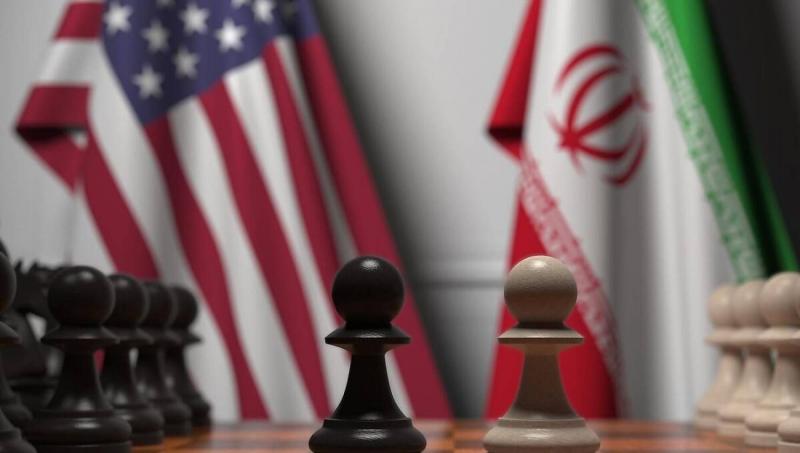
The Trump administration is gearing up to intensify economic pressure on Iran with actions described as unprecedented. Washington is exploring a range of options including targeting oil exports, money transfer networks, and the 'shadow fleet,' as well as imposing broad secondary sanctions on companies and financial institutions dealing with Tehran.
U.S. Treasury Secretary Scott Piesent stated that the United States is moving towards tightening the economic noose on Iran, without revealing specifics about the upcoming measures, despite Iran already facing thousands of sanctions and a maritime blockade on its ports.
According to Bloomberg, the Treasury Department still has additional tools at its disposal. However, using them involves risks beyond Iran, including increased oil prices, heightened tensions with China, and potential harm to companies and financial institutions in U.S.-ally countries.
No final decision has been made by the U.S. administration on which options to pursue, and it could combine several into a package aimed at increasing pressure on Iran's revenue sources and its ability to access foreign currency.
China plays a key role in U.S. calculations, as it accounts for over 90% of Iranian oil exports, making businesses, refineries, and financial institutions facilitating this trade primary targets for any new round of sanctions.
Since the onset of the U.S. campaign against Iran late February, Washington has sanctioned several independent Chinese refineries, known as 'teapot refineries,' along with companies linked to the Iranian oil trade. However, it has so far avoided targeting major Chinese banks involved in financing these transactions.
Targeting major Chinese financial institutions represents a more sensitive option, potentially opening a new economic front with Beijing ahead of the anticipated meeting between Trump and Chinese President Xi Jinping.
Any effort to cut Iranian oil exports poses risks to energy markets, as removing additional low-price crude from the market could drive up global prices, affecting fuel costs and inflation within the U.S.
Simultaneously, Washington is considering expanding its focus on money exchange companies and financial intermediaries that help Tehran recover its foreign revenues and convert them into usable currencies for financing imports and government spending.
Iran receives some of its export payments in Chinese yuan, making currency exchange and financial transfer networks crucial in leveraging its oil revenues effectively.
The U.S. Treasury has previously targeted Iranian money exchangers in a campaign dubbed 'economic wrath,' accusing them of aiding in laundering billions of dollars of foreign currency.
However, expanding these sanctions does not guarantee a complete halt to financial flows, as Iran has developed a network of informal channels and intermediaries over years of sanctions to bypass the conventional banking system, potentially shifting transactions to new intermediaries, other currencies, or digital assets.
One of the harshest options would be imposing secondary sanctions on any company or financial institution dealing with Iran, even in limited commercial activities, akin to Trump's approach with North Korea in 2017.
This path could present foreign companies and banks with the choice between continuing their dealings with Iran or maintaining their access to the U.S. market and financial system.
Such measures could increase pressure on China and Russia, but might also affect businesses in U.S. partner countries, including Turkey, which maintains extensive trade relations with Iran.
Trump has previously threatened to impose 25% tariffs on countries continuing trade with Iran, though this threat has not yet been carried out.
Among the proposed tools is the transition from freezing Iranian government assets to attempting their confiscation when such funds fall under U.S. jurisdiction.
This option encounters legal and diplomatic complexities and is limited by the actual volume of Iranian assets under U.S. control, as Tehran holds significant portions of its foreign wealth in other nations.
On the oil trade front, Washington may expand its campaign against networks enabling Iran to continue crude exports, rather than just imposing sanctions on individual ships.
This could involve targeting tanker-owning and operating companies, shipping stations, brokers, insurance providers, and infrastructure related to oil transport, thereby increasing shipping costs and complicating Iran's ability to find buyers and routes for its exports.
Despite Washington's capacity to tighten the sanctions network further, the core dilemma remains in balancing the extent of pressure it can apply on Tehran without triggering a global oil shock or an extensive financial and trade confrontation with Beijing.