


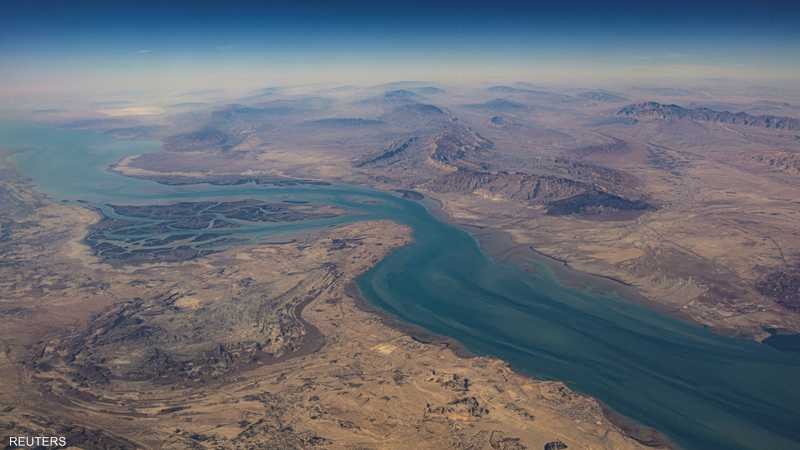
During a meeting in Baghdad with Iranian Parliament Speaker Mohammad Bagher Ghalibaf, Iraqi Parliament Speaker Heydar al-Halbousi called for special treatment for Iraqi oil exports as they pass through the Strait of Hormuz, amid the economic pressures facing Iraq due to disruptions in the strategic waterway.
A statement from the Iraqi Parliament Speaker's office indicated that al-Halbousi emphasized the importance of considering the nature of Iraq-Iran relations, calling for Baghdad to have a "special status" regarding oil exports through Hormuz to safeguard its economic interests.
This Iraqi request comes as military and security developments in the Gulf impose growing restrictions on shipping and oil tanker movements through the strait, which Baghdad heavily relies upon to deliver its oil exports to global markets.
Ghalibaf expressed hope that his visit to Iraq would contribute to developing comprehensive and sustainable relations between the two countries, enhancing their existing ties across various sectors.
The visit takes on heightened significance amid escalating disputes over navigation arrangements in Hormuz, where Tehran insists on a direct role in organizing ship movements, while regional countries demand assurances for the continued flow of trade and energy through the waterway.
Iraq faces a sensitive situation due to its heavy reliance on oil exports passing from its southern ports to the Gulf via the Strait of Hormuz, as oil revenue constitutes the primary source for financing the national budget and government spending.
Iraqi oil exports have faced significant pressures since the outbreak of war and navigation disruptions in the strait, prompting Baghdad to intensify efforts to find alternative routes that reduce its reliance on Hormuz in the future.
Reuters reported that Iraq is considering establishing a new pipeline passing through Syrian territory to the port of Baniyas on the Mediterranean Sea, a project that would provide an alternative export route away from the Gulf and Hormuz.
However, if implemented, the project would require massive investments and a long timeframe, with an estimated cost of no less than $15 billion and a completion time of about four years.
These plans indicate that Baghdad now views diversifying oil export outlets as an issue extending beyond traditional economic considerations to involve national and energy security.
Before the conflict, Iraq exported approximately 3.6 million barrels of oil per day, most of which passed through southern ports near Basra to international markets via the Strait of Hormuz.
Data from Iraq's State Oil Marketing Organization (SOMO) indicate a sharp decline in the quantities Iraq managed to export through the strait, with the total in July 2026 amounting to only about 35.5 million barrels, reflecting the extent of pressure caused by disrupted navigation.
With difficulty in providing a quick alternative to southern ports, Baghdad appears to seek special arrangements to ensure the continued passage of its tankers through Hormuz, alongside efforts to develop alternative export routes in the medium and long term.
This situation places Iraq before a significant economic and strategic challenge: securing its current exports through the Strait of Hormuz amid regional conflict, while simultaneously building new routes to prevent its oil revenues from being tied to a single maritime passage.