



Many individuals seek treatment for kidney deposits when crystals or salts appear in a urine test. The presence of crystals does not necessarily indicate a large stone requiring medical intervention. Often, these crystals are small and temporary, resulting from inadequate fluid intake or certain dietary habits. In other cases, they may signal a recurrent propensity for kidney stone formation.
Therefore, there is no single home remedy that suits all scenarios. Correct management often begins with increasing fluid intake and identifying the cause of the deposits. Modifying the diet or using appropriate medication may be necessary. In recurrent cases, doctors might request a stone analysis, as well as blood and urine tests, including a 24-hour urine collection, to identify risk factors for stone formation.
What are Kidney Deposits?
Kidney deposits are accumulations of minerals and salts present in urine forming small crystals. When urine becomes concentrated due to insufficient fluids or contains elevated stone-forming substances, these crystals can aggregate, eventually forming larger, harder stones.
The composition of these deposits varies, with some being calcium oxalate, calcium phosphate, uric acid, or less common types like cystine. Knowing the type of deposit is crucial for selecting the right preventive treatment.
Best Treatments for Kidney Deposits

1. Increase Water Intake
Staying well-hydrated is crucial to help dilute the concentration of minerals and salts in urine. Medical sources recommend consuming enough fluids to ensure urine is light in color or nearly clear. Daily fluid requirements vary based on climate, activity level, and health status.
For individuals with a history of kidney stones, the goal may be to produce around 2.5 liters of urine daily, necessitating about 3 liters of fluid consumption for many adults. This requirement increases in hot weather or with heavy sweating.
However, those with medical conditions that restrict fluid intake should follow medical advice and not force large amounts of water.
2. Citrus for Citrates
Citrus fruits like lemons and limes contain citrates, which can help reduce the formation of certain kidney stones. Unsweetened citrus drinks can be a beneficial addition to a suitable diet, but water remains the primary choice for hydration.
It's crucial not to view lemon juice as a magic solution for dissolving all deposits, as its effectiveness depends on the type of stone and urine composition.
Treatment Based on Deposit Type
Calcium Oxalate Deposits
Calcium stones are among the most common types. Reducing salt intake is essential as high sodium levels can increase the calcium excreted by the kidneys into the urine, raising stone risk.
This doesn’t mean cutting out dietary calcium, as taking appropriate amounts from food may be part of prevention. Avoid calcium supplements without medical direction.
Uric Acid Deposits
Uric acid stones form more readily in acidic, concentrated urine. Treatment may involve increasing fluid intake and adjusting urine pH. Potassium citrate might be used to make urine more alkaline in specific cases.
Allopurinol may be prescribed when high uric acid levels significantly contribute to stone formation, but its use depends on medical evaluation, not just urine salt levels.
Cystine Deposits or Less Common Types
Rare types such as cystine stones require specialized management, particularly due to potential links with a genetic disorder known as cystinuria. Home remedies alone are insufficient, necessitating specialized follow-up and specific medications.
Medications to Aid Stone Passage
For small stones located in the ureter, medications like alpha-blockers such as tamsulosin may be prescribed to relax ureter muscles and facilitate stone passage. However, this is not suitable for every patient or stone, depending on stone size, location, and patient health.
Larger stones or those causing obstruction or persistent pain may need procedures like stone fragmentation, endoscopic removal, or other methods determined by a urologist.
Dietary Adjustments to Prevent Deposits
Reduce Salt Intake
Lowering sodium is a key preventive measure, especially for calcium stone sufferers. The American Urological Association recommends limiting sodium to under 2300 mg daily for many at-risk individuals. Reducing highly salty foods, processed and canned meals, and fast food is advised.
Moderate Animal Protein
Excessive meat and animal protein can heighten risks for certain stones, notably uric acid stones. Moderating portions and incorporating plant-based protein may be part of a preventive strategy for some patients.
Avoid Excessive Oxalate-rich Foods
If a doctor identifies high oxalate levels in urine, reducing foods like spinach, almonds, and certain nuts might be advised. It’s not recommended to eliminate these foods without cause, as dietary recommendations vary based on stone type and test outcomes.
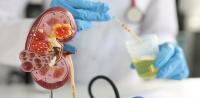
Can Kidney Deposits be Treated at Home?
If crystals are minor and symptoms are mild or absent, adjusting fluids and diet might suffice in some cases. However, not every finding in a urine test can be home-treated, especially with confirmed stones via imaging or if issues recur.
Repeated deposits should prompt investigation into underlying causes rather than solely increasing water intake. A physician may need to analyze stone composition and conduct blood and urine tests for appropriate preventive treatment.
When to See a Doctor for Kidney Deposits
Seek immediate medical care if severe symptoms or signs suggest blockage or infection, including:
-Sudden severe flank or back pain.
-Pain radiating to the lower abdomen or groin.
-Blood in urine.
-Persistent vomiting or inability to keep fluids down.
-Fever or chills.
-Noticeable difficulty urinating or reduced urine output.
-Severe pain with urinary tract infection symptoms.
Fever and chills are particularly concerning with urinary tract obstruction, as complications can arise needing urgent medical intervention.
Preventing Recurrent Kidney Deposits
Prevention begins with uncovering the cause and following a tailored plan based on stone type. Key measures include drinking enough fluids, maintaining a balanced diet, reducing sodium, and obtaining necessary dietary calcium, with moderated animal protein intake where needed.
Avoid self-prescribing medications like potassium citrate, allopurinol, or diuretics, as appropriate medication selection depends on stone type, urine analysis results, kidney function, and other medical factors.
In conclusion, there is no universal treatment for kidney deposits, as management depends on the type, size, location, and cause of the crystals. Increasing fluid intake is a fundamental step in many straightforward cases, while dietary plans may involve reducing salt, moderating animal protein, and maintaining suitable calcium intake per individual circumstances.
Understanding deposit types through medical evaluation is the safest path to effective treatment and reducing recurrence.
See Also
How to Maintain Radiant Skin Without Makeup?