


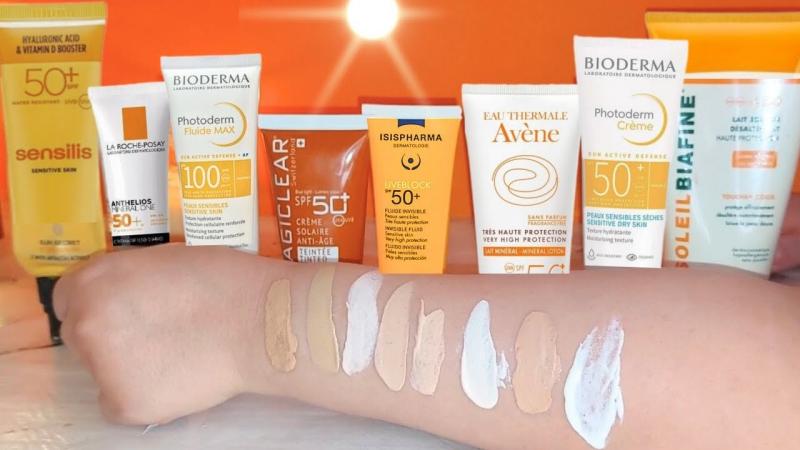
Sunscreen is a crucial part of daily skincare, not just a product to use in the summer or at the beach. Regular exposure to UV rays can cause skin discoloration, spots, and premature aging, and increase the risk of skin cancer. Hence, the American Academy of Dermatology recommends choosing a broad-spectrum sunscreen with an SPF of 30 or higher and water resistance.
Selecting the right sunscreen isn't just about SPF. Different skin types, such as dry, oily, sensitive, or acne-prone, have different needs. The texture, application method, and ingredients also play a role in daily usability and comfort.
Key Features of the Best Sunscreen
1. Broad Spectrum Protection: Look for the term 'Broad Spectrum' to ensure protection from UVA and UVB rays. UVA rays lead to photoaging like wrinkles and spots, while UVB rays cause sunburn.
2. SPF 30 or Higher: The American Academy of Dermatology advises using sunscreen with at least SPF 30. Remember, higher SPF doesn't mean longer sun exposure without reapplication.
3. Water Resistance: If you exercise, sweat, or swim, choose a 'Water Resistant' product. Note that no sunscreen is completely waterproof. Water-resistant products work for specific times during swimming or sweating, usually indicated as 40 or 80 minutes.
Best Sunscreen for Dry Skin
If your skin feels tight and flaky after washing, opt for a creamy or moisturizing sunscreen. Look for labels like 'Moisturizing' or 'Dry Skin.' Creams are often suitable for dry skin, and starting with a moisturizer might help if the sunscreen lacks sufficient hydration.
Best Sunscreen for Oily Skin
Oily skin benefits from sunscreens that don't add shine or clog pores. Look for 'Non-Comedogenic' or 'doesn't clog pores' on the label, especially if acne-prone. Lightweight textures like gels or light lotions are often more comfortable for oily skin.
Best Sunscreen for Sensitive Skin
Sensitive skin users who experience stinging with some products might find mineral-based sunscreens more suitable. The American Academy of Dermatology suggests zinc oxide or titanium dioxide, devoid of fragrances, to avoid reactions.
Best Sunscreen for Acne-Prone Skin
Don't just choose a high SPF; seek non-comedogenic formulas too. Light textures that don't leave a greasy residue are preferable, especially if applying sunscreen over other skincare or makeup products.
Best Sunscreen for Hyperpigmentation
If dark spots are your main concern, sun protection is essential. Tinted sunscreens with iron oxides offer extra protection from visible light, which can worsen pigmentation in darker skin tones. Ensure it also has broad-spectrum protection, SPF 30 or higher, and water resistance.
Mineral vs. Chemical Sunscreen
No single answer suits all. Mineral sunscreens often contain zinc oxide or titanium dioxide and are gentler for sensitive skin. Chemical sunscreens have other UV filters, and some products blend both types. Choose based on skin compatibility, broad-spectrum protection, and SPF 30 or higher with water resistance.
Cream, Gel, Spray, or Stick?
Choose the form based on skin type and application area: Creams are moisturizing for dry skin, gels work for oily skin or hairy areas, sticks are practical around the eyes, and sprays are convenient for body coverage, ensuring even application.
Proper Sunscreen Application
Correct sunscreen usage is key. Apply on all exposed skin, reapply as directed, especially after swimming or sweating. Sunscreen should complement other protections like shade, protective clothing, hats, and sunglasses. Store away from direct heat to maintain efficacy.
Common Sunscreen Mistakes
Avoid these errors: choosing by SPF alone, ignoring 'Broad Spectrum,' mismatching skin type, failing to reapply after swimming or sweating, and applying too little sunscreen. Combine sunscreen with other protective measures.
Is SPF 50 Better than SPF 30?
Both provide good protection if used correctly. The FDA notes higher SPF offers greater sunburn protection but emphasizes broad-spectrum coverage and reapplication over SPF number alone.
How to Choose Your Sunscreen
Streamline your selection: Dry skin needs moisturizing formulas, oily/acne-prone skin benefits from light, non-comedogenic creams. Sensitive skins are suited for fragrance-free mineral options, while those with pigmentation may prefer broad-spectrum tinted formulas. If swimming or active, choose water-resistant products and adhere to reapplication guidelines.
Conclusion The best sunscreen combines broad-spectrum protection, SPF 30 or higher, water resistance, and matches your skin's specific needs, allowing daily comfort and effectiveness.
Related Articles:
How to Maintain Glowing Skin Without Makeup
The Best Skincare Routine for Oily Skin
Skincare After Thirty: Essential Steps