


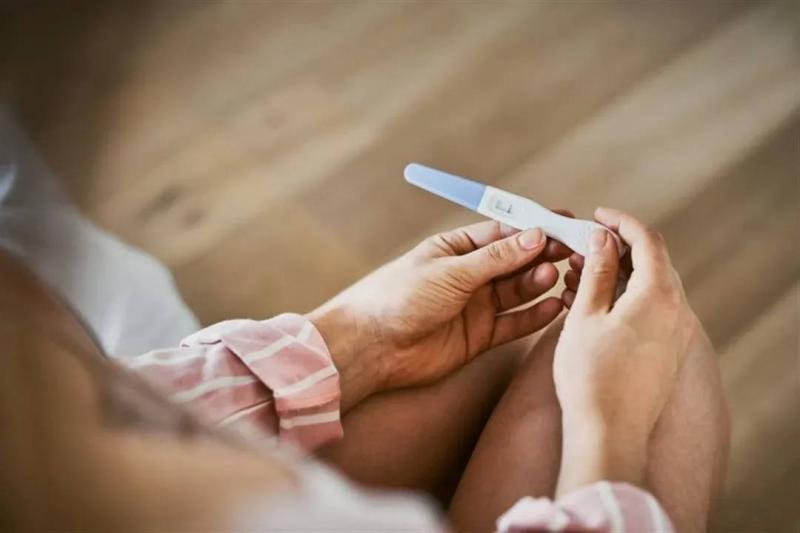
Doctors confirm that the possibility of getting pregnant just before your period is low, particularly if you have a regular menstrual cycle and ovulation has already occurred. However, no period can be deemed 100% safe from pregnancy without effective contraception. Ovulation timing can vary monthly for some women.
Additionally, stress, illness, and hormonal changes can affect ovulation timing, making pregnancy a possibility in some cases.
Can You Get Pregnant a Day or Two Before Your Period?
In most cases, the chance of pregnancy a day or two before your period is very low, especially if you have a regular cycle because ovulation typically occurs about 14 days before the next period. The egg survives 12 to 24 hours post-release.
Thus, if intercourse occurs right before the period after ovulation, fertilization is unlikely. Nonetheless, pregnancy cannot be completely ruled out as ovulation timing may vary among women.
Why Could Pregnancy Occur Before the Period?
Despite the low possibility, pregnancy can occur before the period in certain situations.

1. Irregular Menstrual Cycle
With irregular cycles, ovulation might occur earlier or later, complicating fertility day tracking. A woman may think her period is nearing, but late ovulation could increase pregnancy chances.
2. Delayed Ovulation
Ovulation can be delayed due to various factors like:
- Stress and psychological pressure
- Hormonal changes
- Certain illnesses
- Thyroid disorders
- Polycystic ovary syndrome
- Significant weight change
When ovulation is delayed, the days preceding the expected period become part of the fertile period.
3. Cycle Length Variation
Not all women have a 28-day cycle; cycles can be shorter or longer, or vary monthly, making traditional calculations less accurate.
When Are Pregnancy Chances Higher?
Pregnancy likelihood increases during the fertility window, encompassing the five days before and the day of ovulation. Sperm can survive in the female reproductive tract for up to five days, while the egg lives about 24 hours post-release, making intercourse during this time most conducive to pregnancy.
Can Regular Cycles Prevent Pregnancy Before Period?
A regular cycle aids in better ovulation prediction but doesn’t entirely prevent pregnancy. Even in women with regular cycles, minor health or psychological changes might alter ovulation timing and consequently the fertility window.
Doctors don’t recommend relying solely on cycle days to prevent pregnancy if avoidance is desired.

Can Pregnancy Occur if Intercourse Happens a Week Before Period?
The answer depends on actual ovulation timing. If ovulation is over, pregnancy chances are very low. However, if ovulation is delayed or cycles are irregular, sperm might still fertilize the egg upon release. A single answer cannot fit all women.
What Factors Affect Pregnancy Likelihood?
Several factors influence pregnancy chances before a period, including:
- Regularity of menstrual cycle
- Ovulation timing
- Woman’s age
- Sperm quality
- General health status
- Hormonal imbalances
- Certain female diseases
Additionally, women may experience different pregnancy chances even with similar cycle lengths.
Is Relying on Safe Days Effective?
The safe days method predicts ovulation timing but isn’t the most accurate birth control method. Small changes in egg release timing could lead to unexpected pregnancies. Doctors recommend more effective contraception if pregnancy isn’t desired.
When to Take a Pregnancy Test?
If your period is late after unprotected intercourse, it’s best to take a home pregnancy test a day or more after the missed period for more accurate results. If negative and the period remains delayed, retest after a few days or consult a doctor if delays persist.
In summary, pregnancy is possible before your period but highly unlikely with a regular cycle and completed ovulation. However, variations in ovulation timing or irregular cycles might allow for pregnancy even before the expected period.
Thus, this time shouldn’t be considered a reliable birth control method. Using certified contraception remains the safest choice for those not wanting pregnancy.
See also
Top 10 Breast Augmentation FAQs Answered by a Cosmetic Physician