


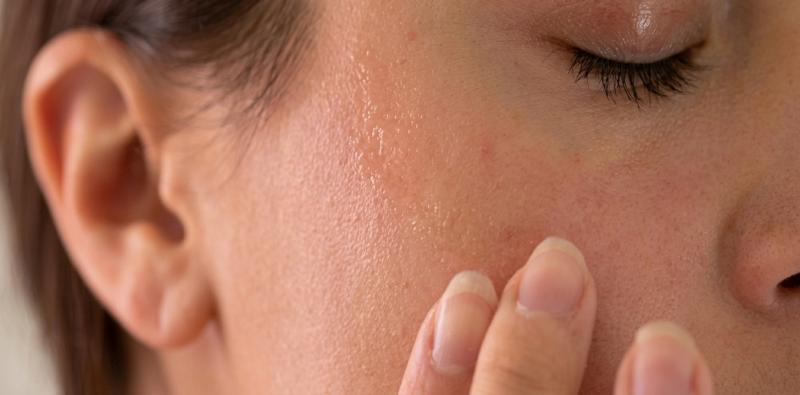
Severe skin dryness is a common concern for many. It is characterized by rough, flaky skin and a persistent feeling of tightness, especially during cold weather or with constant exposure to air conditioning and heating. In many cases, dryness can be attributed to simple factors that can be adjusted, such as long hot showers, harsh cleansers, or neglecting to moisturize the skin after cleansing.
However, persistent dryness should not be seen as merely a cosmetic issue. It can sometimes indicate conditions such as eczema, psoriasis, hypothyroidism, or diabetes, and it may also be related to aging or certain medications.
Why Does Skin Become Severely Dry?
The outer layer of the skin contains fats and natural substances that help retain moisture and protect the skin from external elements. When this barrier is damaged or the skin loses moisture quickly, signs of dryness such as roughness, flaking, itching, and cracks appear.
Furthermore, the severity of dryness varies from person to person depending on age, skin type, weather, daily habits, and overall health. Therefore, there's no single cause for all cases of skin dryness.
Key Causes of Severe Skin Dryness
1. Cold and Dry Weather
Low humidity is a major factor affecting the skin barrier. In winter, humidity drops, causing the skin to lose moisture more quickly. Strong winds can increase roughness and flaking, especially on the face, hands, and lips.
Similarly, the impact of weather isn't limited to winter. Dry, air-conditioned environments indoors can also exacerbate the issue.
2. Hot Showers
While hot showers provide comfort, they can strip the skin of its natural oils. Prolonged hot showers can make the skin barrier more prone to dryness and irritation. It's beneficial to use lukewarm water and limit shower duration, particularly for those with dry or sensitive skin.
3. Harsh Soaps and Cleansers
Not all cleaning products are suitable for dry skin. Some soaps and washes contain ingredients that strip protective fats from the skin surface. Fragrances and other irritants can also increase redness and itching, especially for sensitive skin. Over-washing the face or hands can yield similar results, even with gentle products.
4. Lack of Moisturizing and Inappropriate Care
D dryness isn't solely due to insufficient water intake; it's also about not using a suitable moisturizer regularly. Skin needs external care to help retain moisture, especially after bathing.
Different areas have different needs, with hands, feet, and elbows requiring denser creams than the face, while lightweight formulas may better suit oily skin.
5. Aging
As we age, the nature of our skin changes, and the production of natural oils that maintain elasticity and hydration decreases. Dryness becomes more common among the elderly. Additionally, aging skin becomes thinner and more sensitive to environmental factors, making gentle care products more important.
6. Eczema and Psoriasis
Certain skin diseases can cause severe and recurrent dryness. Eczema typically involves dryness, itching, and redness, while psoriasis appears with thick, scaly patches. In such cases, regular moisturizers are often insufficient, as treatment requires managing inflammation with a dermatologist's guidance.
7. Hypothyroidism
Hypothyroidism can be linked to skin dryness alongside other symptoms, such as fatigue, feeling cold, hair loss, constipation, and weight gain.
If dryness persists unexpectedly or despite improved care routines, discussing additional symptoms with a doctor might be beneficial.
8. Diabetes
High blood sugar levels affect the skin in various ways, potentially causing frequent dryness and itching. Some diabetes-related issues can increase susceptibility to infections or slow skin healing. Addressing the underlying cause and managing blood sugar levels are crucial parts of managing diabetes-associated skin dryness.
9. Certain Medications
Some medications can increase skin dryness in some individuals, varying by medication type, dosage, and health condition. Stopping prescribed treatment due to dryness is not advisable.
Instead, consulting a physician or pharmacist about medication-related issues and possible remedies is recommended.
10. Nutritional Deficiencies
Skin requires a variety of nutrients to maintain its structure and function. Some malnutrition or specific deficiency cases can contribute to skin problems. However, this doesn't mean taking vitamin supplements will address all skin dryness issues. Consulting a specialist and confirming a deficiency before high-dose vitamin intake is better practice.
How to Treat Severe Skin Dryness?
Treatment depends on the dryness's severity and cause. For mild cases, altering the daily skincare routine may suffice, while inflammation or severe cracking may require medical evaluation.
Regular Use of a Rich Moisturizer
Moisturizers are essential in treating dry skin. Creams and ointments are generally more effective at reducing moisture loss than lightweight formulations. Ingredients to look for include ceramides, glycerin, petroleum jelly, and hyaluronic acid, while urea may benefit specific dry and rough areas.
Moisturize After Bathing
Applying moisturizer immediately after bathing and gently patting the skin dry while leaving it slightly damp helps retain moisture in the outer skin layer. Reapplying moisturizer throughout the day to frequently dry areas, such as hands, is also beneficial.
Avoid Very Hot Water
Opting for short, lukewarm showers instead of prolonged hot water exposure is advisable. Avoid vigorous scrubbing with loofahs or rough towels; gently patting with a towel is preferred.
Choose a Gentle Cleanser
If dealing with severely dry skin, choose fragrance-free gentle cleansers as needed. Avoid excessive use of soap on areas that don't require heavy cleaning and reduce using scented products or strong exfoliants temporarily.
Use a Humidifier
Humidifiers can be beneficial in very dry environments, especially when heating for long periods. However, regularly cleaning the device is important to prevent mold or microbe build-up.
Protect Hands and Body
Hands, in particular, face water, cleaners, and cold weather. Wearing gloves when handling cleaning agents or cold exposure, along with applying a moisturizing hand cream, is recommended. Additionally, appropriate clothing helps protect skin from harsh wind and cold weather.
What About Hydration and Nutrition?
Maintaining adequate fluid intake is essential for general health, but consuming large amounts of water isn’t a magical solution for dryness caused by a damaged skin barrier or skin disorders.
A balanced diet provides the proteins, healthy fats, vitamins, and minerals needed by the body. Meals can include fish, nuts, seeds, vegetables, fruits, and whole grains.
Relying on dietary supplements to address dryness without confirming a specific deficiency isn’t recommended since some vitamins may be harmful if consumed in high doses.
When to See a Dermatologist?
Not all dryness warrants a trip to the doctor, but persistent or severe symptoms should be evaluated. It's particularly important if unusual symptoms are present or if the skin doesn't improve despite following an appropriate routine.
Signs That Require Medical Evaluation
- Severe dryness persists despite using suitable moisturizers and care.
- Appearance of deep, painful, or bleeding cracks.
- Severe redness, swelling, or warmth on the skin.
- Unusual discharge or scaling, potentially indicating an infection.
- Intense itching affecting sleep or daily life.
- Sudden widespread dryness across multiple body areas.
- Other symptoms like extreme fatigue, weight changes, or constant feeling cold.
If there are signs of infection, severe pain, or inflamed cracks, home treatments aren’t sufficient, and specific treatment prescribed by a doctor may be necessary.
Common Mistakes That Worsen Skin Dryness
Some common practices may exacerbate the problem rather than alleviate it. These include frequent hot showers, using harsh exfoliants, and scrubbing skin vigorously after bathing.
Constantly changing products can also make it hard to identify the irritant, so it's better to adopt a simple, progressive routine with gentle, suitable products.
Furthermore, using topical cortisone or antibiotics without medical diagnosis isn't suitable for all dryness cases, as these drugs have specific uses and potential side effects.
A Simple Daily Routine for Dry Skin
A practical routine for dry skin care can be built with a few regular steps. In the morning, gentle cleansing as needed followed by an appropriate moisturizer and sunblock for exposed areas suffices.
In the evening, cleanse with a gentle product, then apply a denser moisturizing cream. After bathing, it's best to moisturize immediately, focusing on rougher areas like hands, elbows, knees, and feet.
Having numerous products isn’t necessary for dry skin; regularly using a limited number of suitable products may be more effective than a lengthy routine filled with active ingredients.
In conclusion, achieving more comfortable and radiant skin depends not on a single product but a balanced routine that maintains the skin barrier and addresses factors leading to moisture loss while not ignoring any symptoms that may indicate a deeper health issue.
Related Articles
Best Doctor for Treating Dark Circles in Al Hamra