


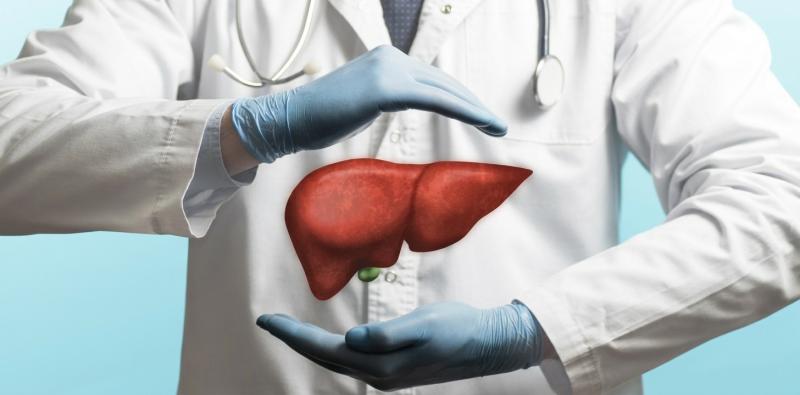
The liver is one of the body's most vital organs, playing crucial roles in metabolism, nutrient processing, detoxification, and production of essential compounds for various bodily functions. However, certain daily behaviors can place additional stress on the liver, potentially affecting its long-term health. Understanding these damaging habits can aid in recognizing and modifying daily mistakes before they escalate into health issues.
While liver health isn't influenced by just a single habit, it is impacted by multiple factors including diet, weight, physical activity, medications, supplements, and overall health. Hence, maintaining a balanced lifestyle is one of the key strategies for preserving liver function and reducing risk factors associated with liver diseases.
5 Habits Harmful to Liver Health
1. Excessive Sugar and Saturated Fat Intake
A diet high in added sugars and saturated fats can increase the risk of fat accumulation in the liver, especially with large consumption of sugary drinks, sweets, highly processed foods, and fast foods.
The concern lies specifically with added sugars and fructose-rich beverages rather than naturally occurring sugars in fruits. Continual high caloric intake can lead to fat buildup in the liver, particularly with weight gain and insulin resistance.
Over time, fat accumulation can be linked to non-alcoholic fatty liver disease, which might progress to inflammation, fibrosis, and more severe complications.

2. Improper Use of Medications and Painkillers
Some medications require liver processing and metabolism. Incorrect use or exceeding recommended doses can lead to serious harm. Paracetamol, for instance, is safe when used as advised, but overdosing can cause acute liver injury with potential severity.
Furthermore, combining multiple drugs with the same active ingredient can unintentionally exceed daily limits, especially when taking cold or pain relief medications simultaneously.
3. Sleep Deprivation and Persistent Night Owls
Regular sleep affects not just daily energy but also metabolic health, appetite regulation, blood sugar, and weight. Chronic sleep deprivation and biological clock disruption have been associated with increased metabolic risk factors like insulin resistance and weight gain, contributing to liver fat accumulation.
It's important to dispel the misconception that the liver solely ‘detoxifies’ during sleep. The liver processes substances around the clock, not just during sleep hours. Ensuring enough and regular sleep according to your body’s needs, while reducing frequent late nights and maintaining consistent sleep and wake times, is essential.
4. Overconsumption of Herbal Supplements and Vitamins
‘Natural’ doesn’t inherently mean safe; some herbal supplements cause liver injury, especially with unknown-origin products, high doses, or combining multiple supplements.
Some stored vitamins, like Vitamin A, can also be harmful when taken excessively over long periods. Additionally, weight loss or bodybuilding products, or multi-ingredient supplements may contain undisclosed substances, making unsupervised use riskier.
5. Physical Inactivity and Sedentary Lifestyle
Physical activity significantly impacts overall health, weight, insulin sensitivity, and fat metabolism. Prolonged sitting with little movement contributes to weight gain and metabolic disruption, both increasing liver fat risk.
Intense exercise isn’t necessary to benefit from movement; regular walking, daily activities, and strength training can be vital aspects of a healthy lifestyle. Reducing long sitting periods and incorporating regular daily movement can simply enhance total activity.
How to Maintain Liver Health?
Understanding the 5 habits harmful to liver health allows a focus on steps that support general health and reduce liver disease risk factors.

Adopt a Balanced Diet
Include vegetables, whole fruits, whole grains, legumes, protein sources, and unsaturated fats as essential components of your diet. Conversely, reduce highly processed foods, sugary drinks, and excess saturated fats.
Maintain a Healthy Weight
If overweight, gradual weight loss through a balanced diet and regular physical activity can help reduce liver fat in those with metabolic-associated fatty liver disease.
Engage in Physical Activity
Regular physical activity can improve fitness, insulin sensitivity, and weight management. Try incorporating walking, cycling, swimming, or strength exercises into your weekly routine based on your health condition.
Careful Use of Medications and Supplements
Do not exceed recommended doses for medications and avoid assuming herbal supplements are safe just because they are natural. Inform your doctor of all supplements and medications you’re taking during any health evaluation.
When to Consult a Doctor?
Many liver diseases may not show clear symptoms in early stages; therefore, relying on symptoms alone for liver health assessment isn't advisable. Consult a doctor if you have risk factors like obesity, diabetes, high blood lipids, or using liver-affecting medications.
Seek medical evaluation if unusual symptoms appear, such as jaundice, dark urine, persistent upper right abdomen pain, abdominal swelling, or unexplained fatigue.
In conclusion, protecting the liver doesn’t require ‘detox’ remedies or drastic regimes but hinges on sustaining healthy habits, including a balanced diet, regular physical activity, consistent sleep, and responsible medication and supplement use. If risk factors or concerning symptoms exist, medical evaluation remains the preferred approach for timely identification and management.
See Also
Top 10 Foods for Liver Health