


The New York Times has reported turmoil in the leadership ranks of the U.S. Army following a series of dismissals by Pete Hegseth targeting senior generals. This turbulence occurs as U.S. forces face drone and missile attacks in the Middle East while continuing to support Ukraine.
The report highlights that the position of the Chief of Staff of the Army has been left vacant since General Randy George was dismissed in April, with no reasons made public. Acting chief, General Christopher LaNeve, currently manages the role alongside his duties as Deputy Chief of Staff.
According to officials, Hegseth has pressured at least three senior officers considered possible successors to George to leave their positions. In total, around six senior officers have been dismissed or forced to step aside, raising concerns about the availability of seasoned leadership in coming years.
The situation is further complicated by predictions that Army Secretary Daniel Driscoll, the top civilian in the Army, will leave his role within months. It's noted that he has already moved out from his residence near Washington, D.C.
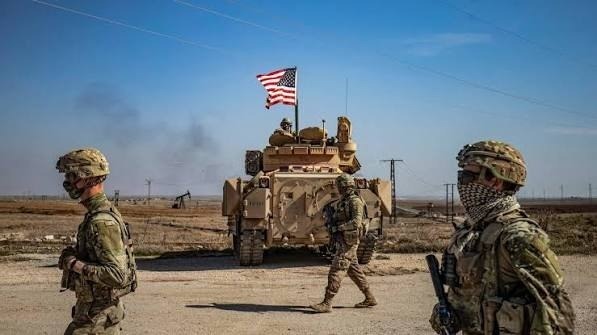
This leadership turbulence comes at a crucial time as the Army is highly engaged, similar to the Iraq and Afghanistan wars. Air defense units play a critical role in shielding U.S. forces in the Middle East from Iranian missile attacks, while the Army's European Command provides intelligence and other support to Ukraine.
Driscoll and George had worked on modernizing the Army to address the growing threat from drones. The White House appointed Driscoll to play a strategic part in peace efforts in Ukraine as of late last year, although those efforts have largely stalled. Communication between Driscoll and Hegseth has deteriorated, affecting modernization progress.
Democratic Representative and former Army intelligence officer Pat Ryan warns that removing experienced leaders during wartime weakens troops' safety and effectiveness. Concerns arise over the long-lasting impact on the military's nonpartisan reputation, which pledges loyalty to the Constitution over the President.
Some in Congress and the military worry that dismissals suggest that officers offering frank advice or failing ideological loyalty tests might be excluded. Hegseth's office has redirected inquiries to the Army, which declined to comment on Driscoll's future and avoided discussing leadership changes.
Army spokeswoman Cynthia Smith emphasized that Army leaders are fulfilling missions and strategic goals, with modernization efforts proceeding as planned, thus maintaining global readiness.
The number of active four-star generals in the Army has decreased from ten in January 2025 to five, the lowest level in decades, with some positions now held by officers from other service branches.
Leadership positions, including those related to training and transformation, remain unfilled, notably after Hegseth dismissed General David Huden last year without explanation.
Hegseth reduced the rank of General Christopher Donahue, leading U.S. ground forces in Europe, from four stars to three, putting him at risk of retirement without reassignment.
Randy George, as Chief of Staff, was responsible for global unit training and equipping, including addressing shortages of Patriot interceptors and ATACMS missiles. He faced challenges in building a rapport with Hegseth, who joined the Pentagon with a skeptical mindset toward top military leadership due to personal military experiences.
Hegseth reportedly left the National Guard over tattoos deemed extreme and has expressed feelings of military ostracism in his 2024 book.
The report examines the controversy surrounding LaNeve's nomination as Deputy Chief of Staff, following General James Mingus's dismissal with no given reason. This prompted congressional members to protest the lack of transparency in personnel decisions, contributing to delayed nominations.
Despite blame shifting to George for consultation disruptions, congressional and defense officials denied this, stating he supported progress in nominations for the Army's sake and his relationship with Hegseth.
LaNeve was sworn in last February and, just months later, George was dismissed via a brief phone call.
LaNeve currently lacks sufficient Republican backing in the Senate to be confirmed as Chief of Staff, a position whose appointments typically receive broad support.
Senator Joni Ernst, a Republican with 22 years in Iowa's National Guard, believed she secured assurances for George to complete his term. However, after his dismissal, she lodged a protest with former President Donald Trump.
Amidst these leadership challenges, critics warn of modernization delays compared to Russia and China, specifically in integrating AI and new drone technologies.
LaNeve has emphasized the need for preparation for vastly different operational environments in recent communications, expressing concern that recent modernization efforts overlook fundamental combat skills, thereby risking costly consequences in blood.