


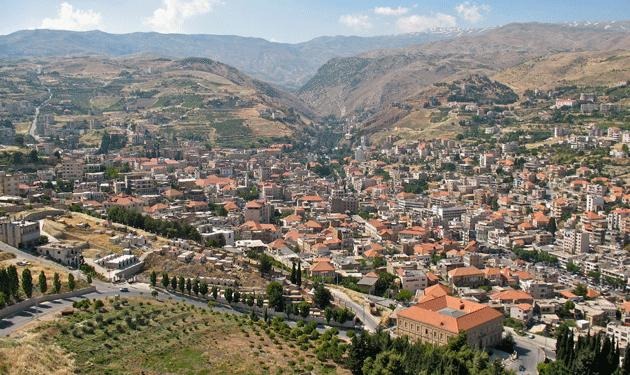
Zahle, one of the most prominent and renowned cities in the Lebanese Bekaa, has earned the title of the “Bride of the Bekaa” due to its beautiful nature and strategic location nestled among the mountains. The Bardawni River flows through the heart of the city, adding a distinctive natural scenery.
However, Zahle’s reputation extends beyond its natural beauty. Its name has been associated for decades with poetry and literature on one hand, and grape cultivation, wine, and arak production on the other, earning it the nickname “City of Poetry and Wine”.
Why is Zahle Known as the City of Poetry?
Zahle has been tied to the literary and poetic movement in Lebanon and the Arab world, with several poets and writers leaving a significant mark on Arab culture.
Notably, the famous Lebanese poet Said Akl is associated with the city. His name is tied to poems celebrating the beauty and nature of Zahle.
Many poets have sung about the city’s beauty, the Bardawni River, and its vineyards, making Zahle a recurring theme in poetry and literature and a central part of its cultural identity.
Poetry as Part of Zahle’s Identity
The connection between Zahle and poetry isn't just because poets were born there, but also due to the presence of literature in the cultural life of the city.
The nature of Zahle, from mountains, rivers, vineyards, to the Bekaa scenery, provides rich material for descriptive and expressive poetry, especially since the city combines nature with an ancient urban landscape.
This has carved its name in Lebanese and Arab memory as a city that celebrates poetry and beauty.
Why is it Called the City of Wine?
The second part of the nickname is closely linked to the cultivation of grapes and the production of Lebanese wine and arak in the Zahle and Bekaa region.
The Bekaa Valley boasts wide expanses of farmland ideal for growing different types of grapes, aiding the development of the wine industry in the area.
Zahle and its surroundings are also famous for producing Lebanese arak, a traditional drink linked to Lebanese cuisine and heritage, traditionally made from grapes and flavored with anise.
Vineyards: A Part of the Zahle Landscape
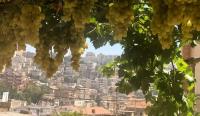
Grapevines spread across different areas of the Bekaa, becoming part of the region’s agricultural and economic identity.
Zahle merges agriculture, heritage, industry, and tourism in this aspect, attracting visitors interested in exploring the vineyards, tasting local products, and discovering the surrounding villages and areas.
The Bardawni River: Another Pillar of Zahle’s Fame
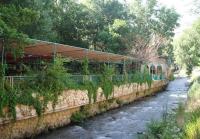
The Bardawni River is one of the city’s most famous landmarks, enhancing its tourism appeal.
The river runs through a central area surrounded by restaurants and cafes, making it a popular spot for visitors to enjoy the natural ambiance, especially during summer.
The Bardawni is central to images presenting Zahle as a city that blends water, nature, dining, and heritage.
From Poetry and Grapes to Tourism
Together, these elements shape a unique image of Zahle; it is a city with a cultural and literary character while also being an agricultural zone famous for grapes and related industries.
Thus, visiting Zahle is not just about sightseeing, but also an opportunity to explore a facet of Lebanese heritage connected to poetry, food, and agriculture.
What Sets Zahle Apart?
Zahle is distinguished by its diverse attractions; visitors can enjoy nature along the Bardawni River, stroll through the city, discover its restaurants and cafes, and learn about its cultural and agricultural history.
This diversity helps the city maintain its status as one of the most famous destinations in the Lebanese Bekaa.
Conclusion
The title “City of Poetry and Wine” reflects Zahle’s cultural and agricultural history; poetry signifies its literary prominence and connection to several poets and writers, while “wine” underscores the area’s history in grape cultivation and wine and arak production.
With the Bardawni River, vineyards, and literary heritage, Zahle continues to offer a unique character, making it one of Lebanon's most notable and distinctive cities.