


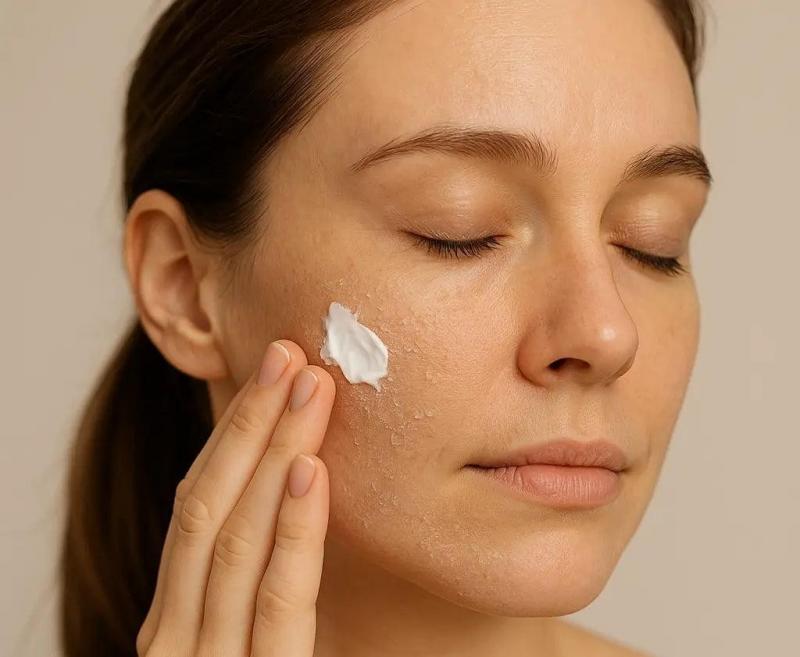
Dry skin occurs when the skin becomes less capable of retaining the moisture and natural oils necessary to maintain its protective barrier. This can present as roughness, peeling, itching, redness, or a feeling of tightness—especially after washing the face or showering.
While dry skin might be temporary due to weather or over-washing, it can persist for some people due to the natural skin type or specific skin conditions.
Causes of Dry Skin
Various factors can lead to dry skin, including:
- Cold and Dry Weather: Low humidity in the air, particularly in winter, can increase water loss from the skin surface.
- Hot Showers: Hot water can be soothing but may strip the skin of its natural oils, exacerbating dryness.
- Harsh Soaps: Certain soaps and cleansers contain ingredients that remove natural oils from the skin, especially with frequent use.
- Lack of Moisturization: Not using an appropriate moisturizer after cleansing can lead to prolonged dryness and tightness.
- Skin Conditions: Dry skin may accompany conditions like eczema or psoriasis, particularly when dryness is severe and accompanied by itching or inflammation.
Best Treatments for Dry Skin
Treating dry skin involves reducing water loss and supporting the protective barrier of the skin. Follow these simple steps:
- Use a Suitable Moisturizer: Choose products with ingredients that attract and retain moisture, such as glycerin and hyaluronic acid, along with barrier-supporting components like ceramides. A thicker cream may be desirable for very dry skin, especially in rough areas like the hands and feet.
- Apply Moisturizer on Damp Skin: It is best to apply moisturizer when the skin is slightly damp after washing and gently drying. This helps trap moisture within the skin. Avoid vigorously rubbing the skin with a towel; gentle patting suffices.
- Avoid Extremely Hot Water: Use lukewarm instead of very hot water when washing the face or bathing. Limit bath times if the skin is severely dry.
- Choose Gentle Cleaners: Replace harsh soaps with gentle, fragrance-free cleansers, particularly for the face or dry-sensitive areas.
Treating Facial Dryness
If dryness is focused on the face, adopting a straightforward skincare routine is beneficial:
- Morning: Use a gentle cleanser as needed, followed by a suitable moisturizer and a broad-spectrum sunscreen.
- Evening: Cleanse the skin gently, then apply a more intensive moisturizer if the skin is very dry. Avoid excessive exfoliation or products that may irritate the skin during dry periods.
Treating Hand Dryness
Hands often suffer from frequent washing and exposure to water and cleansers, leading to dryness and cracking. Use a thick moisturizing cream after washing hands and reapply as needed throughout the day. For severe cracks, thicker ointments or creams may be more effective than lighter formulations.
Treating Body Dryness
Apply moisturizer to the body immediately after showering, focusing on areas prone to dryness like the legs, knees, and elbows. Avoid vigorous scrubbing with a loofah or excessive exfoliation as it might irritate the skin.
Does Drinking Water Help Dry Skin?
While staying hydrated is vital for overall body health, increasing water intake alone usually isn't enough to address dry skin resulting from weakened skin barriers or environmental factors.
Beneficial Ingredients for Dry Skin
When shopping for skincare products, look for moisturizing ingredients like:
- Glycerin: Helps attract water to the skin.
- Hyaluronic Acid: Retains moisture effectively.
- Ceramides: Support the skin's protective barrier.
- Petrolatum: Reduces moisture loss from the skin surface.
- Shea Butter: Provides moisture and smoothness to dry skin.
- Urea: Particularly useful for very dry and rough areas depending on its concentration.
Avoiding Aggravation in Dry Skin
To improve skin condition, avoid habits that may worsen the problem, such as:
- Using very hot water for bathing.
- Using harsh soaps and cleansers.
- Over-exfoliating the skin.
- Vigorously rubbing the skin during drying.
- Using scented products that may cause irritation.
- Ignoring moisturizer application post-washing.
- Trying numerous new products simultaneously, especially for sensitive skin.
When to See a Doctor for Dry Skin?
If dry skin persists despite an appropriate routine or becomes severe with significant redness, painful cracks, bleeding, intense itching, or a rash, consulting a dermatologist is recommended.
Persistent dryness might indicate an underlying skin condition that requires diagnosis and specialized treatment beyond mere moisturization.
Tips for Keeping Skin Soft and Moisturized
Maintain skin hydration with these simple daily habits:
- Use a gentle cleanser.
- Shower with lukewarm water.
- Apply moisturizer right after washing.
- Choose products suitable for your skin type.
- Use sunscreen during the day.
- Avoid excessive exfoliation.
- Wear appropriate clothing to shield skin from cold, dry air.
- Use a humidifier if the environment is extremely dry.
Conclusion
Treating dry skin begins with maintaining the skin's protective barrier and reducing factors that cause moisture loss. Regular use of suitable moisturizers, avoiding hot water, and steering clear of harsh cleansers are pivotal home-care steps.
If dryness is severe, persistent, or accompanied by inflammation, itching, and cracking, it's advisable to seek medical evaluation to identify underlying causes and choose appropriate treatments.
Related Articles