


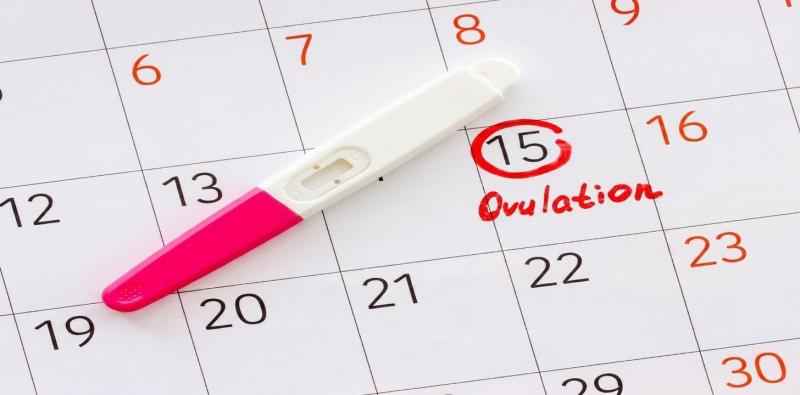
The likelihood of becoming pregnant increases around the ovulation period. This is when the ovary releases an egg. Ovulation typically occurs about 12 to 16 days before the next menstrual cycle, not always on the fourteenth day of every cycle.
For those with regular cycles, ovulation can be estimated based on cycle length and the expected date of the next period. Regular intercourse during the days surrounding ovulation is more important than focusing on one specific day.
Is Ovulation Day the Best Day for Intercourse?
While ovulation day is a fertile time, relying solely on this day isn't necessarily the best approach. Sperm can survive in the female reproductive system for several days, while the egg is only viable for a short period after release. It's beneficial to have sperm present before ovulation occurs.
Engaging in intercourse every two to three days throughout the cycle offers a good opportunity for sperm to be in the right place without needing to pinpoint ovulation exactly.
Best Intercourse Days According to Menstrual Cycle
For regular cycles, the cycle length can be used to estimate ovulation timing.
28-Day Cycle
Ovulation in a 28-day cycle typically occurs near the middle, but this can vary individually. Increase pregnancy chances by having regular intercourse in the days leading up to and during ovulation, rather than depending on just one day.
30-Day Cycle
Ovulation tends to occur slightly later compared to a 28-day cycle, as it usually happens 12 to 16 days before the next cycle.
Irregular Cycle
For irregular cycles, calendar-based ovulation estimation is less accurate. In such cases, having intercourse every two to three days throughout the cycle is a practical option to cover the fertile window.
What Ovulation Signs Can Be Observed?
Women may notice certain signs around ovulation, although not all women experience them.
Potential signs include changes in cervical mucus, increased clear or slippery vaginal discharge, slight changes in basal body temperature, mild pelvic discomfort, and increased libido. However, relying solely on symptoms doesn't always pinpoint ovulation accurately.
Does Daily Intercourse Increase Pregnancy Chances?
There's no need for intercourse multiple times daily to increase pregnancy chances. Health sources recommend intercourse every two to three days without contraception when trying to conceive, which promotes good pregnancy odds within the cycle.
Can Pregnancy Occur Outside Ovulation Days?
Yes, pregnancy can result from intercourse in the days near ovulation, as sperm can survive longer than the egg. Relying solely on cycle apps to identify 'safe' or fertile days isn't advised, especially with irregular cycles.
How to Calculate Ovulation Timing?
Ovulation can be roughly estimated by knowing cycle length.
Example: In a 28-day cycle, ovulation likely occurs near the middle. Longer cycles may lead to later ovulation.
The general rule is ovulation typically takes place 12 to 16 days before the next cycle starts. For precise probability, recording cycle dates for several months is beneficial.
Does Ovulation Testing Aid in Achieving Pregnancy?
Home ovulation tests can help some women determine when ovulation is approaching but should not cause undue anxiety.
Overall, regular intercourse every two to three days is a simple and effective way to cover fertility periods without the need to calculate every day with exact precision.
Tips to Boost Pregnancy Odds
In addition to timing intercourse, several factors can enhance pregnancy preparation:
1. Regular Intercourse: Consistent intercourse every two to three days sans contraception provides a good pregnancy opportunity.
2. Consider Folate Supplements: Begin taking folic acid before pregnancy as recommended by healthcare professionals.
3. Maintain a Healthy Weight: Extreme weight fluctuations can impact fertility and ovulation for some women.
4. Avoid Smoking: Smoking can negatively affect fertility in both women and men, thus cessation is advised when planning pregnancy.
5. Limit Alcohol Intake: Abstaining from alcohol is recommended when planning a pregnancy, especially with potential conception.
When to Consult a Doctor?
If pregnancy hasn't occurred despite regular intercourse and no contraception for a year, consult a doctor to evaluate fertility, especially if the woman is under 36.
For women 36 or older, or with irregular cycles or known fertility issues, seeking medical advice earlier is beneficial.
Fertility assessment should involve both partners since delayed pregnancy factors can be related to either or both.
The Bottom Line
The optimal time for intercourse to achieve pregnancy is during the ovulation period. However, daily intercourse isn't necessary. Regular sex every two to three days during the cycle offers a good chance for pregnancy and avoids the stress of targeting a precise day.
Regular cycle women can estimate ovulation via cycle length, while those with irregular cycles might need further tracking methods or medical advice.
See Also
Can You Get Pregnant Before Your Period?