


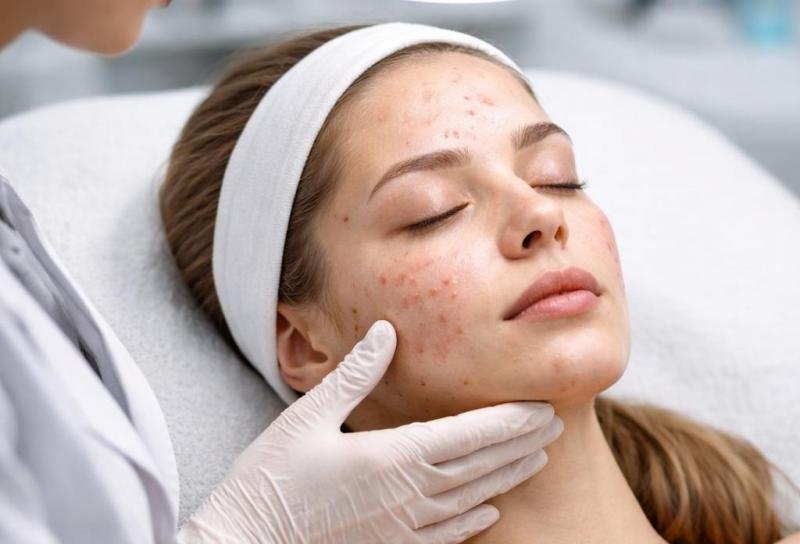
Facial acne remains one of the most common skin issues, affecting men and women beyond adolescence. While often misconceived as merely a hygiene issue, the truth is that multiple factors contribute to its emergence. Understanding the underlying causes can guide the selection of appropriate skin care treatments.
Acne occurs when hair follicles become clogged with dead skin cells and oils, leading to bacterial growth and inflammation. Acne can appear at any age, not just during teenage years.
Main Causes of Facial Acne:
1. Hormonal Changes
Hormones are significant contributors to acne, especially during puberty. Women may also experience acne due to hormonal fluctuations related to menstruation, pregnancy, or hormonal conditions. Certain hormones stimulate sebaceous glands to produce excess sebum, increasing the likelihood of clogged pores and acne.
2. Excess Oil Production
The skin produces a natural oil called sebum, which helps moisturize and protect the skin. However, overproduction can mix with dead skin cells, leading to clogged pores and common forms of acne like blackheads and whiteheads.
3. Accumulation of Dead Skin Cells
While the skin naturally sheds old cells, these can sometimes accumulate and block pores, resulting in acne forms like whiteheads or blackheads, eventually leading to inflamed pimples.
4. Inappropriate Cosmetics
Some skincare, cosmetic, and hair products contain ingredients that can clog pores, leading to acne, especially in individuals with oily or acne-prone skin. Products labeled as non-comedogenic are preferable.
5. Stress and Psychological Pressure
Although not the sole cause, stress may exacerbate acne for some individuals by triggering hormonal changes that affect oil production and inflammation, making existing acne more noticeable.
6. Frequent Face Touching
Constantly touching your face can transfer dirt, oils, and irritants to your skin. Squeezing or picking at pimples can worsen inflammation and increase the risk of scars.
7. Certain Medications
Some medications may cause acne-like rashes. If acne emerges after starting a new medication, consult your healthcare provider instead of discontinuing the medication independently.
8. Genetic Factors
Genetics can predispose an individual to acne. If a parent experienced severe acne, it might increase the likelihood for their offspring.
Does Lack of Cleanliness Cause Facial Acne?
Facial acne does not necessarily imply poor hygiene. Excessive washing or harsh scrubbing can irritate the skin and worsen acne; gentle cleansing, especially after sweating, is ideal.
Do Foods Cause Facial Acne?
The link between diet and acne is complex. Although no specific diet universally causes acne, a high glycemic index diet might aggravate acne in some individuals. A balanced diet is recommended instead of eliminating foods without clear evidence.
Acne Causes by Location
Acne location may provide clues about contributing factors, but not the definitive cause.
Acne on Forehead
May be linked to oily skin or hair products, with sweat and oil buildup worsening pore clogging.
Acne on Cheeks
Can be influenced by cosmetics, sweat, friction, and typical acne causes.
Acne around Mouth and Chin
May relate to hormonal shifts—often observed around menstruation in women. However, other skin conditions may also cause acne-like symptoms, emphasizing the need for a comprehensive diagnosis.
Why Does Acne Occur Before Menstruation?
Acne can appear days before menstruation due to hormonal changes affecting oil production and inflammation, often more visible around the jawline and chin but possibly elsewhere.
Does Popping Acne Make It Disappear?
Popping a pimple might provide temporary relief, but it can increase inflammation and risk scars or pigmentation marks. It's best to avoid manipulating acne, especially deep or painful ones.
How to Reduce Acne Appearance?
A basic skincare routine can help manage acne:
- Gentle face washing twice daily and post-sweat.
- Avoiding aggressive scrubbing.
- Using non-comedogenic products.
- Removing makeup before sleeping.
- Refraining from constant face touching.
- Not popping pimples.
- Regularly washing pillowcases and towels.
- Selecting suitable products for oily, acne-prone skin.
- Daily appropriate sunscreen use.
When Should Acne See a Dermatologist?
Seek dermatologist advice if acne is:
- Severe or painful.
- Deep under the skin.
- Leaving prominent scars or pigmentation.
- Persistent despite a proper routine.
- Affecting self-esteem or mental health.
- Suddenly intense and unexplained.
Treatments might range from topical solutions to additional medications according to acne type and severity.
Conclusion
Numerous factors can cause facial acne. Hormonal changes, excess oil production, clogged pores, unsuitable products, stress, some medications, and genetics all influence acne formation and severity. Accurate evaluation of acne type and cause is crucial for effective management, while severe or scarring acne requires professional assessment.
Also Read
Causes of Severe Skin Dryness and Its Treatment
Best Doctor for Treating Dark Circles in Hamra
Effective Face Masks for Brightening Skin Before Your Wedding