


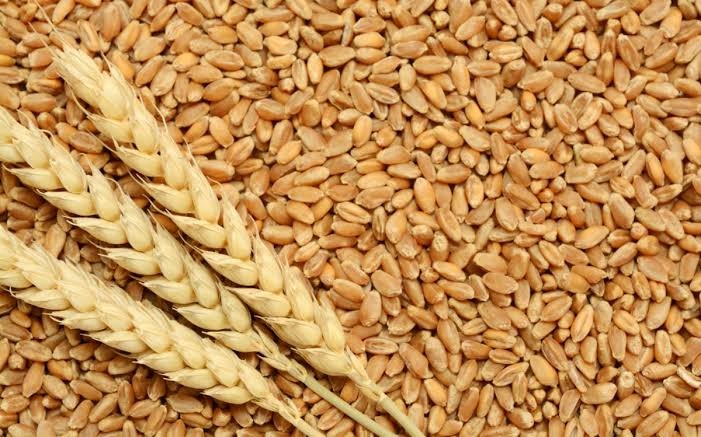
Wheat is one of the most important agricultural commodities worldwide. International interest extends beyond annual production to the amount of wheat countries hold in reserves.
These leftover quantities at the end of the season are known as ending wheat stocks. They are a crucial indicator of a country's ability to handle production fluctuations, rising demand, and market disruptions.
The latest estimates by the U.S. Department of Agriculture for the 2026/2027 season reveal that China continues to have the largest wheat reserves in the world, far surpassing other countries. It is estimated that global wheat stocks amount to about 273.25 million tons, with China alone holding over 120 million tons.
Top 10 Countries with the Largest Wheat Reserves:

1. China
China leads the list with expected ending stocks reaching approximately 120.2 million tons for the 2026/2027 season, representing about 44% of worldwide wheat stocks. This highlights the gap between China and other countries, linked to China’s status as one of the largest wheat producers and consumers globally, while also emphasizing its commitment to maintaining high reserve levels for food security.
2. India
India ranks second globally, with expected wheat reserves of about 29.5 million tons by the end of the 2026/2027 season. India is also among the top wheat producers, and maintaining a large stockpile is crucial for managing the food supply in a country with one of the largest populations.
3. United States
The United States holds a prominent position among countries with significant wheat reserves, with projected ending stocks around 19.5 million tons. The importance of U.S. reserves is distinct from China and India, as the U.S. plays a vital role in global wheat trade, with stock levels influenced by local production, consumption, and exports.
4. European Union
The European Union is a major agricultural block. Recent estimates suggest it has ending wheat stocks of about 14 million tons. The EU appears as an economic and agricultural unit in many international statistics regarding wheat production, trade, and reserves.

5. Russia
Russia is among the leading countries in wheat reserves, with anticipated stocks of about 13.6 million tons ending the 2026/2027 season. Russia's significant market role as one of the top wheat producers and exporters means changes in its production, stocks, and exports can impact global trade.
6. Canada
Canada, a prominent producer and exporter, is expected to retain a significant stockpile by the season's end in 2026/2027. Canadian reserve levels are influenced by crop size and global demand, as much of its production is destined for foreign markets.
7. Australia
Australia holds an important place among major wheat producers and exporters. Its stocks change seasonally based on production and exports. Australian wheat is key in global trade, so changes in its crop or inventory impact international market supplies.
8. Argentina
Argentina figures among nations with significant wheat stocks, alongside its role as a major grain producer and exporter. Increased production in recent seasons helped boost supplies and stocks among big exporters, including Argentina, per global grain market analyses.
9. Ukraine
Ukraine remains crucial in the global wheat market, although its production, stock levels, and exports are affected by economic, political, and logistical conditions. U.S. Department of Agriculture estimates indicate that stocks among major exporters, including Ukraine, can vary considerably due to production changes and international trade dynamics.
10. Egypt
Egypt stands out with significant wheat reserves, tied to its large domestic consumption and reliance on imports to meet needs. U.S. Department of Agriculture estimates in June 2026 increased Egypt’s ending stock projections to about 5.4 million tons due to raised import expectations.
Wheat Production vs. Wheat Reserves: What's the Difference?
It's vital not to confuse wheat production with wheat reserves. Production refers to the quantity harvested during a season, while reserves indicate the amounts left and available at the end of the season after accounting for production, consumption, and trade.
Thus, a country might be a top wheat producer but not rank similarly in reserve size because much of its output might be consumed locally or exported globally.
Why Do Countries Maintain Large Wheat Reserves?
Enhancing Food Security
Large reserves help ensure food supply during production declines due to drought, natural disasters, or other conditions.
Managing Price Fluctuations
Stocks can mitigate the impact of sharp price hikes or market disruptions.
Ensuring Supply Continuity
Countries, especially highly-populated ones, store large quantities to guarantee continuous availability of wheat and its products.
Handling Trade Disruptions
International trade can be affected by wars, crises, or logistical problems, hence local stocks give countries greater capability to manage such situations.
The Food and Agriculture Organization states that abundant global stocks remain crucial in ensuring grain supply despite ongoing climate and geopolitical risks affecting agricultural markets.
See also:
Top Potato Producing Countries