


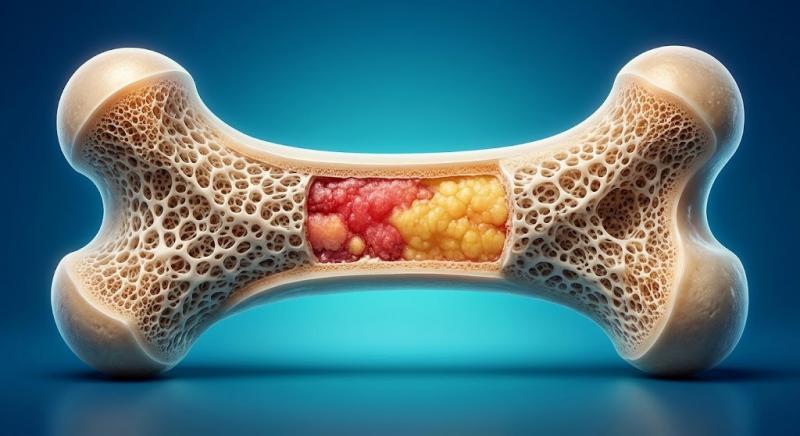
Bones are a crucial component of the musculoskeletal system, providing structural support to the body, protecting various organs, and assisting in movement.
Although bones seem rigid, they are living tissues that continually change, as the body replaces old bone parts with new tissues. Therefore, bone health is influenced by diet, physical activity, age, hormones, and certain health factors.
Bone health maintenance tips extend beyond just consuming milk or calcium supplements, encompassing a complete range of daily habits. Early attention to bone health can help maintain strong bones and mitigate risk factors for weakness over the years.
Key Tips for Maintaining Bone Health:

1. Ensure Adequate Calcium Intake
Calcium is vital for building and maintaining strong bones, requiring regular dietary intake. Daily calcium needs vary by age and gender, so it's best to meet these needs through diet whenever possible and consult a doctor before taking supplements.
2. Get Enough Vitamin D
Vitamin D helps the body absorb calcium and is closely tied to bone health. It can be obtained through proper sun exposure and some foods like fatty fish, egg yolks, and fortified foods. Excessive sun exposure isn't advised for increasing Vitamin D levels, and high doses of supplements should only be taken under medical guidance.
3. Engage in Weight-Bearing Exercises
Activities that make muscles work against gravity, like walking, stair climbing, running, and dancing, support bone strength. Resistance exercises like weight lifting can also strengthen muscles and support bones, with activity chosen based on age, health status, and physical ability.
4. Stay Physically Active
Prolonged inactivity can negatively impact bone and muscle health. Staying active by walking, using stairs, reducing continuous sitting, and engaging in regular sports can be beneficial.
5. Ensure Adequate Protein Intake
Protein is not only important for muscles but also vital for bone tissue formation. A diet should include diverse protein sources like fish, eggs, poultry, legumes, dairy, and nuts.
6. Maintain a Healthy Weight
Very low body weight can affect bone health, while excess weight can put added stress on joints. Maintaining a healthy weight through a balanced diet and regular physical activity is crucial for musculoskeletal care.
7. Avoid Smoking
Smoking negatively impacts bone health and can increase the risk of weakness and fractures. Quitting smoking is critical not only for bone health but also for heart, lung, and overall health.
8. Limit Alcohol Intake
Excessive alcohol consumption can damage bones and increase fall and fracture risk. Avoiding excessive drinking is part of a bone-supportive lifestyle.
Important Foods for Bone Health
Dairy Products
Milk, yogurt, and cheese are well-known calcium sources, also providing protein and other nutrients.
Fatty Fish
Fatty fish like salmon and sardines supply Vitamin D, protein, and healthy fats.
Leafy Vegetables
Some leafy vegetables contain calcium and essential nutrients and can be part of a varied diet.
Nuts and Seeds
Nuts and seeds provide minerals and nutrients supporting bone health, best consumed in moderation due to their calorie content.
Legumes
Legumes are a good source of protein and minerals, forming part of a balanced bone-health diet.

Habits That May Harm Bone Health
Lack of Activity
Prolonged sitting and inactivity deprive bones and muscles of needed stimulus to maintain strength.
Strict Diets
Severely restrictive diets can lead to nutrient deficiencies, especially if not balanced or supervised.
Excessive Alcohol Consumption
Overconsumption of alcohol is linked to weakened bones and increased fall and fracture risk.
Smoking
Avoiding smoking is essential for bone health and reducing associated risks.
Are Calcium and Vitamin D Supplements Necessary for Everyone?
Not necessarily. Many people get their needs from food and proper sun exposure for Vitamin D. A doctor may recommend supplements if there's a deficiency or increased needs, but high doses without medical evaluation can have unwanted health effects.
When Should Bone Health Be Assessed?
A doctor may suggest a bone density test, especially with aging or known risk factors for osteoporosis. Fractures from minor injuries or known weakening risk factors should prompt a consultation about potential examination or treatment needs.
See Also:
Calcium-Rich FoodsCauses of Knee PainTop 5 Foods Rich in Vitamin D