


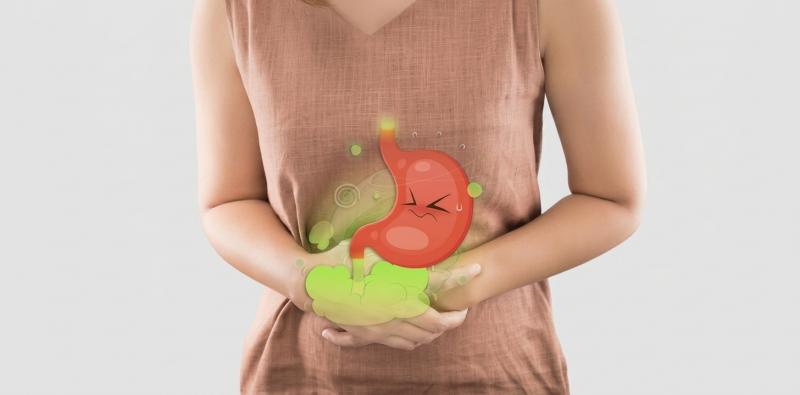
Bloating and gas are common topics of concern for individuals who experience a feeling of fullness or gas accumulation after meals. Although gas is a natural part of digestion, its excess can cause discomfort, pain, and bloating, impacting daily activities and quality of life.
For many, managing bloating can be achieved without medication by adjusting dietary habits, selecting appropriate foods, and improving eating styles. Certain natural drinks and daily habits also contribute to a healthier digestive system and reduced gas accumulation.
Why Do Bloating and Gas Occur?
Gas forms in the digestive system by swallowing air while eating or drinking or due to the fermentation of certain foods in the intestines by beneficial bacteria. Additionally, bloating can be related to food sensitivities, lactose intolerance, or irritable bowel syndrome. Identifying the underlying cause helps in choosing the best solution and reducing recurrence.
Adjusting Eating Habits
How you eat directly affects the amount of air entering the digestive system. Thus, changing some daily habits can significantly ease bloating.

Chew Food Slowly
Chewing food thoroughly while keeping the mouth closed during chewing reduces air swallowing and enhances digestion, giving the stomach ample time to begin digesting food more effectively.
Divide Meals
Instead of consuming three large meals, it is preferable to spread food into five or six smaller meals throughout the day, reducing stomach pressure and improving digestion.
Avoid Talking While Eating
Moreover, talking while chewing or using straws when drinking increases air intake to the stomach, leading to more gas and bloating.
Avoid Chewing Gum
Chewing gum leads to additional air intake, and some types contain artificial sweeteners which may increase gas production in some individuals.
Avoid Trigger Foods and Drinks
Certain foods significantly contribute to increased gas, especially in individuals with sensitive digestive systems.
Soda
Sodas contain carbon dioxide, which goes straight to the stomach and intestines, increasing bloating and the feeling of fullness.
Artificial Sugars
Artificial sweeteners like sorbitol and mannitol can cause digestive disturbances and increased gas production, especially when consumed in large quantities in diet products and sugar-free gum.
Legumes and Cruciferous Vegetables
These include lentils, beans, chickpeas, cabbage, cauliflower, and broccoli. They are high in fiber and fermentable carbohydrates, and their effect can be reduced by soaking beans well before cooking and cooking them correctly.
Dairy Products
If you're lactose intolerant, milk and some dairy products can lead to bloating, diarrhea, and gas, making lactose-free products a suitable choice.
Best Natural Drinks to Ease Gas
Certain herbal drinks can help soothe the stomach and improve intestinal movement, including:

Peppermint Tea
Peppermint helps relax digestive muscles, facilitating gas release and reducing bloating.
Chamomile Tea
Chamomile is known for its soothing properties, which can reduce spasms and enhance stomach comfort after meals.
Fennel or Caraway Tea
Used for many years to support digestion, fennel and caraway help reduce intestinal spasms and facilitate natural gas release.
Movement After Eating
Improving digestion isn't only about food quality. Light movement post-meals plays a crucial role in reducing bloating.
Walking for 10 to 15 Minutes
Walking after eating activates intestinal movement, promoting gas passage, and enhancing digestion, reducing the heaviness feeling.
Techniques for Gas Relief
Simple movements can offer quick relief when feeling bloated.
Abdominal Massage
Massaging the abdomen in a clockwise direction stimulates colon movement and facilitates the release of trapped gases.
Child’s Pose in Yoga
The Child's pose is a gentle exercise that helps relieve abdominal pressure, aiding in gas release and reducing bloating.
Daily Habits to Reduce Bloating
Besides the mentioned steps, a set of habits contribute to maintaining digestive health, such as:
-Drinking adequate water daily.
-Eating at regular intervals.
-Gradually increasing fiber intake, not abruptly.
-Regular physical activity.
-Reducing stress and psychological pressure.
-Getting enough sleep.
When Is Bloating a Sign of a Health Issue?
Although often mild, consulting a doctor becomes essential if symptoms persist for an extended period or are accompanied by severe pain, unexplained weight loss, frequent vomiting, blood in stool, or continuous changes in bowel habits, as these might indicate a condition needing medical evaluation.
In conclusion, most bloating and gas cases can be controlled by adopting healthy dietary habits, avoiding triggering foods, and improving meal methods.
Furthermore, adequate water intake, post-meal walking, and herbal drinks might improve digestion and reduce fullness. If symptoms persist or become notably recurring, consulting a doctor to identify the cause and establish a suitable treatment plan is advisable.
See Also
Top 10 Causes of Abdominal Pain