


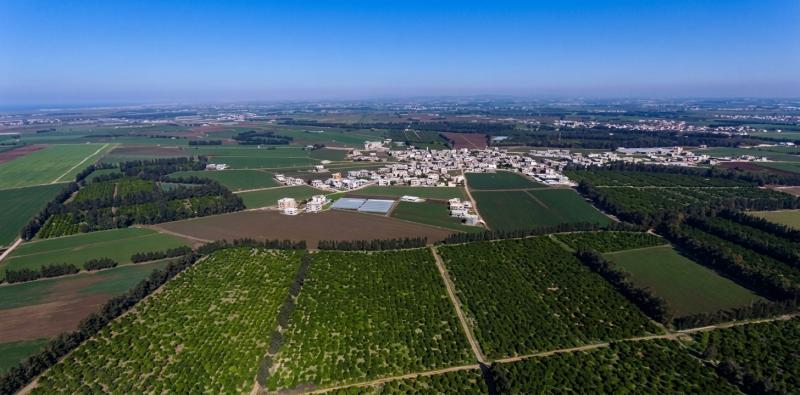
The villages of Akkar are a significant interest for those desiring to explore Lebanon's Akkar Governorate. Whether for tourism, study, or family history research, Akkar is spread across agricultural plains, mountains, valleys, and coastlines, making it one of Lebanon's most geographically diverse regions.
The governorate comprises approximately 255 officially recognized towns and regions, divided into locally known geographical sectors. Each sector hosts a collection of villages with distinct natural, economic, and social characteristics.
Geographical Division of Akkar Governorate
To simplify identification, Akkar is generally divided into five main sectors: Joumeh, Jurd Akkar, Kaita, Sahel, and Dreibe-Sheft. Each sector is distinct, featuring agricultural lands, mountainous areas, coastal regions, and historical villages that are hundreds of years old.
Firstly: Villages of the Joumeh Sector
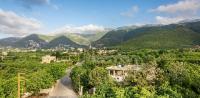
The Joumeh sector is one of Akkar's most renowned areas, housing numerous mountainous towns scattered among valleys and green hills, as well as the governorate's administrative center.
Notable villages and towns in this sector include:
- Halba.
- Akkar Al Atiqa.
- Bine.
- Rahba.
- Bazbina.
- Takrit.
- Beit Mellat.
- Ayat.
- Auyyn el Ghazlan.
- Tessh.
- Memne.
- Douret.
- Shakdouf Al Olya.
- Shakdouf Tahtani.
- Al Bourj.
- Ain Yaacoub.
- Qoboulla.
- Tallet W Shtaha.
- Jibraiyl.
- Dhaher el Layseen.
- Aylat.
This sector is characterized by its mountainous nature and rural heritage, preserving much of Akkar's rural identity.
Secondly: Villages of Jurd Akkar
Situated in the northern heights, Jurd Akkar is known for towering mountains, forests, and a temperate summer climate, making it a prime ecotourism destination in Lebanon.
Notable towns include:
- Fnaydeq.
- Meshemsh.
- Hrar.
- Qabaait.
- Habcheet.
- Kherbe el Jurd.
- Shaan.
- el Hwoish.
- Beit Younes.
- el Qarna.
- Beit Ayoub.
- el Quriyat.
These villages are set at high altitudes, with many residents relying on agriculture and livestock farming.
Thirdly: Villages of the Kaita Sector
Kaita is one of Akkar's largest populated sectors, with towns sprawling across hills and inner plains, noted for its commercial and agricultural activities.
Key towns include:
- Bebnine.
- Barqayel.
- el Aabda.
- el Mhammara.
- Wadi el Jamous.
- Bar Hus.
- Zoeq el Hebalsa.
- Zoeq el Hsniyya.
- Baqarzla.
- Dhayer Hdara.
- Deir Deloum.
- Mejedla.
- el Qarqaf.
- Jediedet el Qaita.
- Sfainet el Qaita.
- Bazl.
- Denbo.
- el Mebarki.
- Sisouq.
- Qlood el Baqiya.
- Marr Touma.
- Qobeshemra.
- el Muqayta.
This sector blends agricultural activities with local markets serving the majority of local villages.
Fourthly: Villages of the Sahel Sector
The Akkar plain is one of Lebanon's most significant agricultural regions, featuring villages extending along the coast and northern borders, renowned for grains, vegetables, and citrus production.
Key towns include:
- Qulayaat.
- Tall Meyaan.
- Blaneh el Ḥiṣṣa.
- el Ḥiṣṣa.
- el Masaudia.
- Talbira.
- Talhabira.
- el Aboudiya.
- Heker el Dheraii.
- el Arida.
- es Semakiya.
- el Kirse.
- el Tilya.
- Dareen.
- Beit el Haj.
This area is characterized by its proximity to the Mediterranean Sea and several vital border crossings.
Fifthly: Villages of Dreibe-Sheft Sector
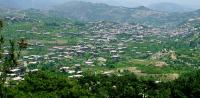
This sector comprises numerous villages located in Akkar's central and eastern regions, known for their mountainous villages and tranquil nature.
Dreibe Upper. Notable towns include:
- Qoubayat.
- Shedra.
- Mshtei Hammoud.
- Mshtei Hassan.
- Mqeybila.
- Wadi Khaled.
- Akroum.
- el Bira.
Dreibe Middle. Includes:
- el Hidd.
- Sfainet el Dreibe.
- Deirjenin.
- Barbara.
- Kherbe Shahr.
- Ain Tanta.
- el Kowachra.
- el Sweisy.
Sector Sheft and el Hakour. Notable towns include:
- Meniyara.
- el Hakour.
- Karam Asfur.
- el Qantara.
- Beit Ghtas.
- Adbel.
- Meshha.
- Haizouq.
- Mazret Ballad.
- Jediedit el Joumeh.
- el Zouwari.
- Heker Sheikh Taba.
- el Sheikh Taba.
- el Sheikh Mohamad.
These villages are noted for olive groves, oak trees, and activities related to agriculture and rural tourism.
The Significance of Akkar Villages
Akkar's villages hold significant value in Lebanon, being one of the country's prominent agricultural regions. They host archeological sites, forests, nature reserves, and heritage villages that reflect the cultural and environmental diversity of northern Lebanon.
Moreover, the emergence of rural tourism projects and guesthouses in several villages has stimulated local tourism in recent years.
Prominent Cities and Towns in Akkar
Despite there being about 255 towns and areas, some towns are more famous and frequently visited, such as:
- Halba.
- Qoubayat.
- Bebnine.
- Barqayel.
- Fnaydeq.
- Akkar Al Atiqa.
- Bine.
- Rahba.
- Meshemsh.
- el Aabda.
- Qulayaat.
- Wadi Khaled.
These towns serve as crucial service, tourism, and commercial centers within the governorate.
In conclusion, the guide to Akkar villages offers insights into one of the largest population clusters in northern Lebanon, with around 255 towns and areas spread across mountains, plains, and coasts. This geographical and cultural diversity grants Akkar a unique status, whether in tourism, agriculture, or heritage, making it a destination worth exploring for those eager to discover the beauty and authenticity of Lebanon's countryside.
See Also
What is Akkar Famous For? 10 Things Known in the Area
Top 10 Places to See Snow in Lebanon
Hamra Street in the Heart of Beirut: What to Do and Where to Go?