


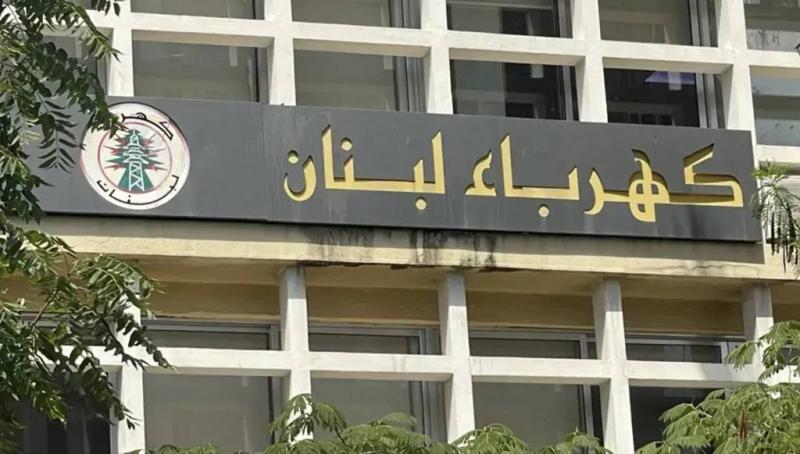
The Lebanese Ministries of Environment and Agriculture have addressed the escalating debate over expired chemicals belonging to the Electricité du Liban (EDL), confirming that the chemicals, primarily Trisodium Phosphate, are neither explosive nor radioactive. However, they must not be randomly used or distributed on agricultural lands without adhering to scientific and legal standards.
In a joint statement, the ministries clarified that while these chemicals do not pose an explosion or radiation risk, as confirmed by safety data, handling, transport, and disposal must follow proper scientific and legal regulations under the supervision of relevant authorities to ensure environmental protection and agricultural safety.
The statement outlined that the Environment Ministry is responsible for determining the environmental criteria for handling or safely disposing of expired materials, while the Agriculture Ministry assesses the suitability of any proposed material for agricultural use against its technical and laboratory standards.
After reviewing the proposal to treat Trisodium Phosphate involving dissolution in water and subsequent mixing with lime or calcium hydroxide, the Agriculture Ministry concluded that this method is unsuitable for agriculture due to its high sodium content, about 40%, compared to the acceptable 3% for fertilizers, especially since most Lebanese farmlands are alkaline and calcareous.
The ministry highlighted that registration and licensing for agricultural fertilizers must meet specific technical, laboratory, and administrative standards ensuring safety and suitability for soil and crops.
Based on these findings, the Agriculture Ministry rejected the use or distribution of these chemicals as fertilizers on agricultural lands to safeguard soil, water, and crop production.
Conversely, the Environment Ministry requested that EDL, as the legal and technical custodian of these materials, immediately return the remaining quantities to their warehouses and store them in an environmentally safe manner, preventing any leakage or misuse.
The ministry emphasized the importance of awaiting a scientific, safe alternative methodology from the contracted company, ensuring it undergoes evaluation and obtains approval from competent authorities.
The ministries stressed that if no environmentally sound method is feasible within Lebanon for processing the materials, efforts should shift to exporting them to a country with adequate facilities and technology for their safe disposal, under the Basel Convention and applicable regulations.
They concluded by affirming ongoing coordination and transparent management of this case, committing to necessary actions for environmental, soil, and water protection while urging reliance on official and scientific sources to prevent undue alarm due to inaccurate comparisons or descriptions.
This joint statement seeks to direct the issue after heated debate over the disposal of EDL's expired chemicals, clarifying that the agricultural option is dismissed under current standards, with future steps limited to finding an alternate safe method within Lebanon or exporting the materials if necessary.