


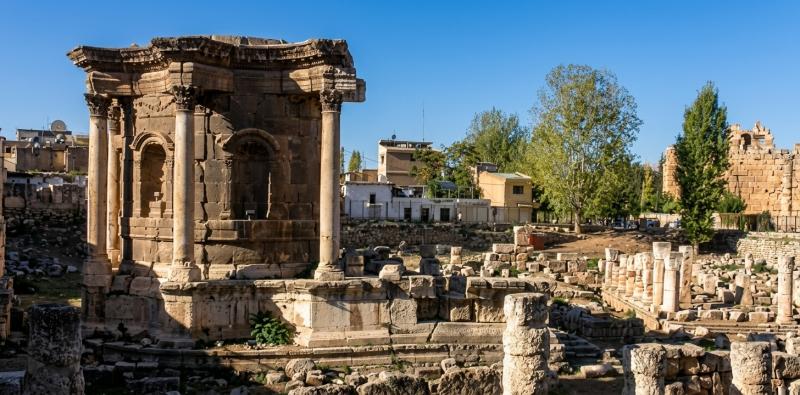
Baalbek is an ideal choice for enthusiasts of history, archaeology, and Lebanese culture. The city blends Phoenician, Roman, Byzantine, and Islamic heritage, leaving a lasting imprint on its architectural landscape. At the forefront of these sites is the famous Baalbek Castle, with its grand temples making the city one of Lebanon's premier archaeological locations.
Baalbek’s allure extends beyond its historical ruins. Alongside the Roman complex, numerous religious and natural sites offer visitors a chance to explore another facet of the city. UNESCO added Baalbek to the World Heritage list in 1984, lauding its archaeological complex as a striking example of imperial Roman architecture.
Why Visit Baalbek?
Before delving into the details of each site, it’s important to know that Baalbek’s value isn’t tied to a single building. It’s a cohesive group of archaeological sites that reflect the city’s development through various historical periods. Known as Heliopolis in the Hellenistic era, Baalbek reached its peak during the Roman era, transforming into a significant religious center attracting pilgrims worldwide.
Moreover, the site is distinguished by its massive stones and intricate architectural details. The surrounding nature enhances the visit, especially when combining a tour of the castle and historical sites with relaxation in the lush areas and local restaurants.
Top 10 Tourist Attractions in Baalbek
1. Temple of Bacchus
The Temple of Bacchus is a must-see when visiting Baalbek, one of the most complete and impressive structures of the Roman complex. Its large size, detailed decorations, and carvings provide a clear depiction of the architectural prowess of the Romans. Situated near the Temple of Jupiter within the archaeological complex, visitors can explore multiple historical landmarks in one tour. Its entrance and ornate stone details make it a popular photography spot.
UNESCO recognizes this temple as an exceptional example within the Baalbek complex, notable for its decorative richness and grand dimensions compared to other Roman temples.
2. Temple of Jupiter
The Temple of Jupiter encapsulates Baalbek's grandeur in a single image. While much of the structure is no longer standing, the enormous remaining columns lend the site an extraordinary grandeur, particularly the six columns that stand testament to the original structure's immense scale.
This temple served as the main religious site in Baalbek, surrounded by vast relics and plazas that reveal the scope of this monumental construction, which took many phases to complete. UNESCO describes the temple’s columns as reaching up to 20 meters, with its platform associated with the gigantic stones that Baalbek is known for.
Standing before the remaining columns offers visitors insight into why Baalbek is synonymous with grand Roman architecture.
3. Circular Temple of Venus
The Temple of Venus stands apart from the other buildings in the complex with its circular shape and elegantly curved design, offering a softer appearance compared to the massive stone blocks surrounding it. Dedicated to Heliopolis deity triad of Jupiter, Venus, and Mercury during the Roman era, it represents a significant aspect of the site's religious history.
UNESCO describes it as possessing a distinctive design and harmonious forms compared to the other large structures in the city, offering visual and historical diversity instead of just colossal-columned temples.
4. Hexagonal Court and Archaeological Plazas
Beyond the main complex parts, the Hexagonal Court and the surrounding archaeological plazas merit additional time for reflection and photography. These areas showcase the advanced engineering layout of the complex and the manner in which visitor and pilgrim movement was organized within the site.
The surrounding columns and stone elements enhance the visitor's ability to imagine the original form of the complex during Baalbek's time as a major religious hub.
5. Baalbek Archaeological Museum
For those keen on understanding the history of the city more deeply, the Baalbek Archaeological Museum is an essential stop during the tour. After viewing the massive structures outdoors, the museum offers an opportunity to explore artifacts that help interpret the site’s history and the civilizations that inhabited it.
The museum visit is especially beneficial for visitors seeking to connect the architectural details seen within the castle to the broader historical context of the city. It can be a valuable stop for families and history enthusiasts eager to add an educational element to their visit.
How to Organize a Perfect Baalbek Tour?
To make the most of the day, begin in the morning with a visit to the archaeological complex, focusing on the Jupiter and Bacchus temples and the surrounding courts. Then proceed to the Temple of Venus and allocate time for the museum to explore artifacts linked to the site’s history.
In the latter part of the day, explore the Stone of the Pregnant Woman and quarries, then head to either the Shrine of Lady Khawla or the Great Umayyad Mosque based on visitor interests. Finally, relax and enjoy a local meal at Ras al-Ain.
It's also important to check the condition of sites and visiting hours beforehand, as archaeological sites may undergo maintenance or undergo changing protective measures. This is crucial given the ongoing restoration and protection efforts for Baalbek.
According to UNESCO’s latest decisions concerning the site, there’s an emphasis on evaluation and maintenance work following damages incurred during recent hostile actions.
Near Baalbek, you can extend the visit beyond the city limits. Expand the itinerary towards the ancient city of Anjar, another significant historical site in the Bekaa Valley, or merge the cultural tour with a distinct experience in Zahle.
Why Baalbek Remains a Top Historical Destination in Lebanon?
It’s not only the ancient age or the size of its columns but also the unique blend of artistic, architectural, and historical value that keeps Baalbek as a top destination. It was a religious center before the Roman era, underwent a colossal architectural project during Roman times, and continued to evolve, preserving layers of its history into later eras.
UNESCO states that the site exemplifies imperial Roman architecture, including some of the largest and best-preserved Roman temples ever built. This architectural exception led to Baalbek’s inclusion in the World Heritage list.
Essential Tips Before Visiting Baalbek
Comfortable shoes are advisable as the archaeological site requires walking varying distances over stone surfaces. Dressing appropriately for the weather and allocating ample time for the visit rather than quickly passing through all landmarks is recommended.
Bringing water and sunscreen for hot days is also beneficial. Always check entry times and site conditions before traveling. If the trip is family-oriented, balance the landmarks between breaks, so the visit isn’t overwhelming for children.
Moreover, photography enthusiasts shouldn’t settle for just traditional column pictures since areas surrounding the Bacchus and Jupiter temples and quarry sites offer unique views showcasing the scale of stones and architectural details.
In conclusion, Baalbek isn't just a transient archaeological city on Lebanon's map. It’s a space summarizing a long history of civilizations that left their marks in stone, architecture, beliefs, and local customs. Among the columns of the Temple of Jupiter, the carvings of the Temple of Bacchus, the circular Temple of Venus, and the massive Stone of the Pregnant Woman, visitors discover a historical experience hard to replicate elsewhere.