



For decades, Lebanese artists have transcended their local borders with creations that resonated across the Arab world. Their contributions have helped popularize the Lebanese dialect, local music, and collaborative dramas. This fame wasn't merely fortuitous; it was the result of distinctive works that carved a unique artistic identity for each star.
From musical theater to classical tunes, modern pop, and television drama, Lebanese art has produced figures who have become icons of Arab art. Below are the pivotal works that marked turning points in the careers of the most famous Lebanese stars.
The Era of Giants and Icons
Fairuz
Fairuz is one of the most revered voices in Arab music history. Her success is tied to her musical plays with the Rahbani Brothers, now viewed as classics of Arab theater.
Notable works that cemented her fame include:
- The Ring Seller.
- The Mayor's Daughter.
- Numerous patriotic and emotional songs ingrained in Arab memory.
Thanks to this legacy, Fairuz has become a cultural and artistic symbol beyond Lebanon's borders.
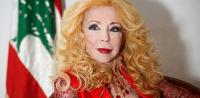
Sabah
Sabah achieved early Arab fame via Egyptian cinema, participating in dozens of films that made her a standout star of her era.
Notable works include:
- “The Heart Has One”.
- “Soft Hands”.
Her presence at major concerts and festivals further solidified her position as a prominent songstress and performer.
Wadih El Safi
Wadih El Safi is considered a founder of modern Lebanese song. His song “A'allo ma” was a cornerstone of his fame, establishing his unique mountain style, before he went on to create many songs now part of Lebanese heritage.
Majida El Roumi
Majida El Roumi's name surged to prominence with the release of “Kalimat”, one of the most famous modern Arabic songs. Her role in Youssef Chahine's film “The Return of the Prodigal Son” highlighted her early talent.
Stars of the 90s and Early 2000s
This era saw Lebanese music spread throughout the Arab world, with many stars emerging.
Najwa Karam
Najwa Karam gained wide recognition with her album “Naghamat Hob”, and the song “Hathihelu” further established her as the “Sun of Lebanese Song”, all while maintaining her Lebanese mountain music style.
Assi El Hallani
The song “W Inni Marraqt Marreit” was Assi El Hallani's breakthrough, cementing his position as a leading figure in traditional and Lebanese music.
Ragheb Alama
Ragheb Alama's fame is tied to “Albih A’shika”, which enjoyed widespread success, contributing to the evolution of the Arabic music video in the 90s.
Wael Kfoury
After gaining attention on “Studio El Fan”, the song “Min Habibi Ana”, performed with Nawal Al Zoghbi, gave him significant Arab exposure, enhanced by his album “Hikaya Aashiq”.
Nawal Al Zoghbi
Nawal Al Zoghbi's album “Mandam A'layk” became one of the top-selling Arabic albums in the late 90s, with “Ya Maamneh Lel Layali” playing a crucial role in cementing her Arab stardom.
Lebanese Pop Stars Rise
As the new millennium dawned, a new generation captured a wide Arab audience.

Nancy Ajram
“Akhasmak Ah” marked a turning point in Nancy Ajram's career. Her albums “Ya Salam” and “Ah w Noss” elevated her status among the elite of Arab pop stars.
Elissa
Elissa's fame expanded following the duet “Bitghib Bitrouh”, but it was her album “Ayshalak” that marked her as a major Arab music figure, earning multiple awards.
Haifa Wehbe
Haifa Wehbe captivated audiences with “Agoul Ahwak”, and her album “Baddi E'sh” solidified her role as a leading concert and pop star in the Arab world.
Myriam Fares
Myriam Fares skyrocketed to fame with “Ana wel Shouk” and distinguished herself with theatrical dance performances, gaining international attention when participating in the 2022 World Cup song “Toko Taka”.
Drama Creations That Shaped Lebanese Stars' Fame
Lebanon's presence isn't confined to music; shared Arab dramas have seen many stars rise.
Nadine Nassib Njeim
The series “Chello” was pivotal to her success. She further solidified her popularity with “Al Hayba” and “Khamsa w Noss”, becoming a leading figure in Arab drama.
Cyrine Abdelnour
Cyrine Abdelnour balanced singing and acting, gaining regional fame after “Ramadan Mabrouk Abu Al Alameen Hamouda” and widespread success with the series “Ruby”.
Youssef El Khal
Youssef El Khal established his position with the series “Wa Ashraqet Al Shams”, continuing his presence in shared Arab dramas like “Law”.
Adel Karam
Adel Karam transitioned from local comedy to the global stage with his role in “The Insult”, which was nominated for an Oscar as Best Foreign Film, making him a distinguished Lebanese face in global cinema.
Why Lebanese Artists Succeed in the Arab World
Several factors underpin the continued success of Lebanese artists:
- Diverse musical and artistic traditions.
- Blending tradition with innovation.
- Commitment to quality music and visual production.
- Broad outreach through satellites and digital platforms.
- Participation in collaborative Arab dramas.
- Ability to resonate with varied Arab tastes.
Ultimately, Lebanon's artistic history shows that behind each star is a defining work that changed their path. Be it a timeless song, a successful album, an influential film, or a widely viewed series. From Fairuz, Wadih El Safi, and Sabah to Nancy Ajram, Elissa, Najwa Karam, and Nadine Nassib Njeim, Lebanese art continues to leave a mark on Arab audiences, explaining its enduring presence and significant cross-generational impact.
See Also
Highest-Paid Lebanese Artists