


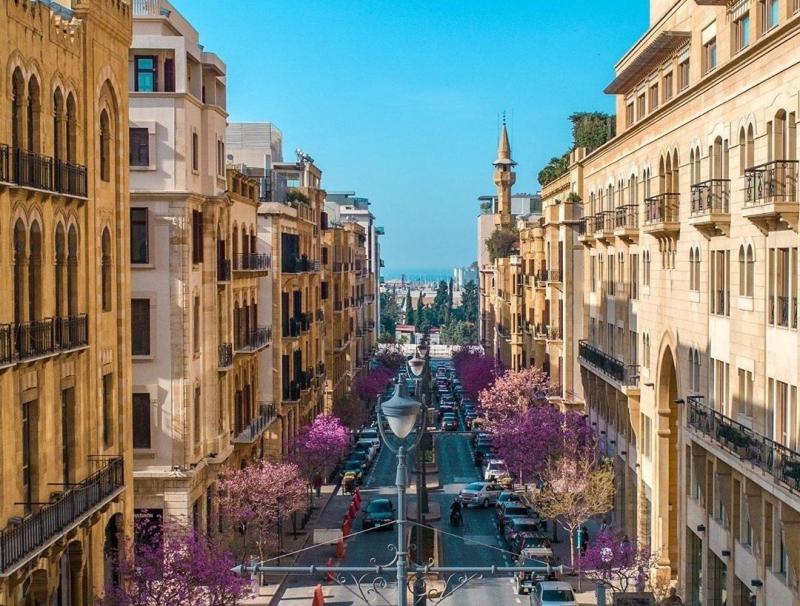
Foch Street is the ideal starting point for discovering the heart of Beirut, especially for those who wish to blend historical architecture with shopping, dining, and waterfront views all in one day. Nestled in the historic Foch-Allenby area, this street is a pivotal part of downtown, showcasing buildings with European flair from the early 20th century, pedestrian-only lanes, commercial spaces, and dining spots.
Beginning your day from Foch Street allows for a leisurely exploration of Beirut by foot, traversing a path that connects past and present. This street provides easy access to Place de l'Étoile, Roman baths, mosques and cathedrals, Martyrs' Square, and Beirut Souks, wrapping up the day by the sea or moving on to Gemmayze and Mar Mikhael for a lively evening.
Why Start Your Tour at Foch Street?
Historically, Foch Street's development was crucial during French mandate times, completed in the 1920s as a connector from the port to the city center. The buildings reflect a mix of European classical styles with local Lebanese influences, making it a distinctive part of Beirut's architectural scene.
Today, the area offers a practical launch point for tourists, surrounded by a rich array of restaurants, cafes, shops, and galleries, with easy links to major streets and landmarks in downtown Beirut.
Morning: Tour Foch Street and Place de l'Étoile
Start your morning with a calm walk down Foch Street, appreciating the intricate details of stone facades, arches, balconies, and decorative elements unique to Beirut's historical center.
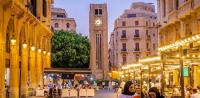
Don't rush through; this area is perfect for photography enthusiasts. Capture the stunning facades and alleys. Following this, head towards Place de l'Étoile, the symbolic heart of downtown, famous for its iconic clock tower and surrounding government buildings, churches, cafes, and restaurants.
Midday: Explore Beirut's Roman History
After Place de l'Étoile, make your way to Beirut's Roman Baths, a key archaeological site in the city center. These ruins highlight Beirut's significance during Roman times. Excavated in the 1960s, they've undergone cleaning and restoration, showcasing remnants of Roman bath systems in a green setting. This stop is quick and fits well into a full day of tour.
Afternoon: Shopping at Beirut Souks
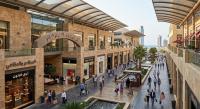
After lunch, head to Beirut Souks, a key part of the modern commercial landscape in downtown, blending modern development with the historic site of old markets. Roam the shops, or take a break with coffee in this vibrant hub, boasting fashion stores, specialty shops, galleries, and countless dining options, ideal for those who want to mix sightseeing and shopping.
Evening: Dinner Around Foch and Allenby
After unwinding by the waterfront, return to the Foch-Allenby area for dinner. With numerous dining options, choose based on your budget and palate, whether Lebanese cuisine or international dishes. Evening here provides a different light on historical buildings and streets, as downtown Beirut's ambiance shifts markedly from day to night.
Nightlife: Gemmayze and Mar Mikhael
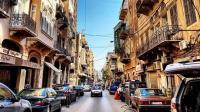
If you're not ready to end your day after dinner, head to Gemmayze and Mar Mikhael, known for their vibrant nightlife with a mix of restaurants, cafes, and social and artistic spaces. Here, you’ll find charming heritage buildings, while Mar Mikhael is famous for its lively evening atmosphere. Thus, your day can transition from historical architecture in Foch to modern Beirut nightlife without needing another day.
Suggested Full Day Itinerary in Central Beirut
Organize your day practically as follows:
9:00 AM: Start at Foch Street, capturing historical buildings.
10:00 AM: Head to Place de l'Étoile and enjoy a coffee.
11:00 AM: Visit the Roman Baths.
12:00 PM: Explore historic religious sites.
1:00 PM: Lunch in central Beirut.
2:30 PM: Shop and stroll at Beirut Souks.
4:00 PM: Visit Martyrs' Square.
5:00 PM: Head to the waterfront at Zaitunay Bay.
7:00 PM: Return for dinner around Foch-Allenby.
9:00 PM and beyond: Continue the night at Gemmayze or Mar Mikhael.
Best Time for a Day in Central Beirut
This itinerary is feasible most of the year; however, choosing the right time enhances enjoyment. Start early during hotter months, using midday for dining and indoor areas, then return to the waterfront in the late afternoon. In spring or fall, walking tours are generally more comfortable, allowing more time for photography and exploration.
Key Tips for the Tour
Wear comfortable shoes, as much of Beirut's center is best explored on foot. Start early if you wish to cover the full program, particularly if planning to visit several attractions. Allow time for photography in Foch Street and Place de l'Étoile, as architectural details are major highlights. Keep your schedule flexible for breaks or discoveries. If it's your first visit to Beirut, customize based on interests; history buffs might spend more time at sites, while shoppers and food lovers can focus on markets and dining options.
Is One Day Enough to Explore Central Beirut?
Yes, one day suffices for a concentrated introduction to central Beirut's highlights, especially starting from Foch Street on foot. However, one day offers more of an overview than a comprehensive visit to every detail of downtown. With extra time, consider extending visits to nearby areas like Gemmayze, Mar Mikhael, Achrafieh, or museums outside the city center.
Conclusion
Spending a full day starting from Foch Street provides a glimpse into Beirut's multiple facets in one trip. The tour begins with European and historical architecture at Foch-Allenby, then moves to Place de l'Étoile, Roman Baths, and religious landmarks, before heading to Beirut Souks, Martyrs' Square, and the waterfront. As evening falls, the experience shifts from historical and cultural to recreational, whether by dining downtown or continuing at night in Gemmayze and Mar Mikhael. This route is ideal for experiencing Beirut's mix of history, shopping, cuisine, coastal views, and nightlife in a single day.