


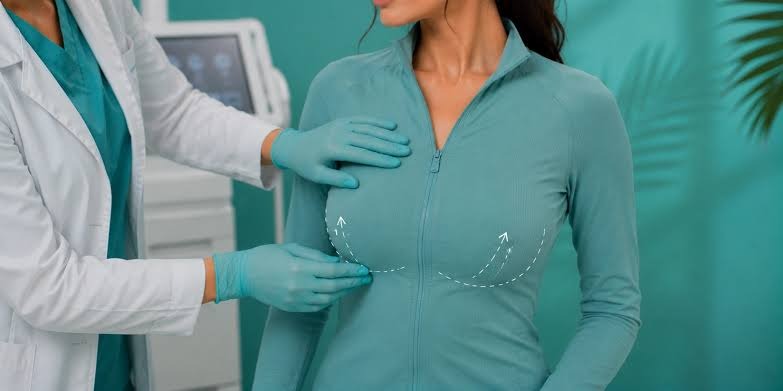
Breast augmentation surgery is a widely performed procedure aimed at enhancing breast size or improving its shape and symmetry. It can be executed either through the use of breast implants or by transferring the body's own fat from another area. While the procedure is increasingly common, it is not devoid of risks. The U.S. Food and Drug Administration notes that breast implants aren't lifetime devices and that the likelihood of complications or the need for additional surgeries increases the longer the implants remain in place.
Key Risks Associated with Breast Augmentation
Complications vary among women and can emerge days, weeks, or even years following surgery.
Pain, Swelling, and Bruising
Pain, swelling, and bruising are commonly anticipated outcomes after surgery and typically ameliorate during recovery. Yet, severe or escalating pain accompanied by unusual swelling could signal complications such as bleeding or infection, necessitating contact with a physician.
Bleeding and Hematoma
A hematoma, or blood pooling, can occur around the surgical site, causing swelling, pain, and bruising. Large hematomas may require medical intervention to drain or control the bleeding source.
Infection
Infections can occur at the surgery site or around the implant, presenting as redness, warmth, swelling, pain, or discharge. In some cases, infections do not respond to antibiotics, necessitating the removal of the implant until the infection is controlled.
Changes in Breast or Nipple Sensation
Breast augmentation can lead to altered sensations, including increased or decreased sensitivity or numbness, which may be temporary but could persist in some women, affecting the usual breast or nipple sensation.
Asymmetry
The breasts may not appear perfectly symmetrical post-surgery, potentially due to pre-existing asymmetry or movement of the implant. Various factors, such as tissue response, may also contribute to this asymmetry.
Risks of Silicone or Saline Implants
When opting for implants, certain risks are associated with the implants themselves.
Capsular Contracture
The body naturally forms scar tissue around implants; however, this tissue can thicken and tighten around the implant, known as capsular contracture. It may cause breast hardness, shape change, or pain, occasionally requiring additional surgery.
Implant Rupture
Implants may rupture due to factors such as time, injury, or extreme pressure. Saline implant rupture typically results in leakage and deflation, whereas silicone implants might experience a silent rupture unnoticed without imaging tests.
Implant Displacement
Implants may shift from their original placement, altering breast shape or position. Various elements, including gravity, injury, capsular contracture, or tissue factors, can play a role in this displacement.
Visible Implant or Rippling
In some cases, implants might be palpable beneath the skin or exhibit rippling, particularly where overlying tissue is thin. Weight fluctuations or significant changes might also induce breast shape alterations or skin sagging over time.
Long-term Risks of Breast Implants
Women who opt for implants should prepare for long-term follow-up and the need for potential implant replacement or removal. The FDA emphasizes that implants are not permanent devices and that complication likelihood increases with prolonged implant presence, potentially necessitating additional operations.
Breast Implant-Associated Anaplastic Large Cell Lymphoma
A rare complication linked to breast implants is breast implant-associated anaplastic large cell lymphoma, a type of immune system cancer forming in the scar tissue or fluid around the implant, with heightened risks for textured surface implants.
Other Rare Tumor Reports
Regulatory agencies have received reports on rare occurrences of squamous cell carcinoma and other lymphoma types in the tissue near breast implants. Continuous data collection is ongoing to better understand these associations.
Symptoms of Breast Implant Illness
Some women report generalized symptoms post-implant—chronic fatigue, joint and muscle aches, concentration difficulty, rash—potentially likened to 'breast implant illness,' though causality and symptom patterns remain incompletely understood. Medical evaluation is crucial to ascertain symptom sources without presuming implant causation.
Impact on Breastfeeding
Breast surgery might impact breastfeeding capabilities in some women, contingent on surgery type, incision location, implant placement, and other factors. It's essential to convey intentions regarding future pregnancies and breastfeeding desires to the surgeon, ensuring potential effects are thoroughly discussed.
Safety of Breast Augmentation
Breast augmentation can be deemed safe following proper evaluation by a qualified surgeon under appropriate surgical conditions. Yet, ‘safe’ doesn’t imply risk absence; short-term complications or future implant monitoring, removal, or replacement could necessitate further consideration. Decisions should balance expected benefits with potential risks, beyond cosmetic outcomes alone.