


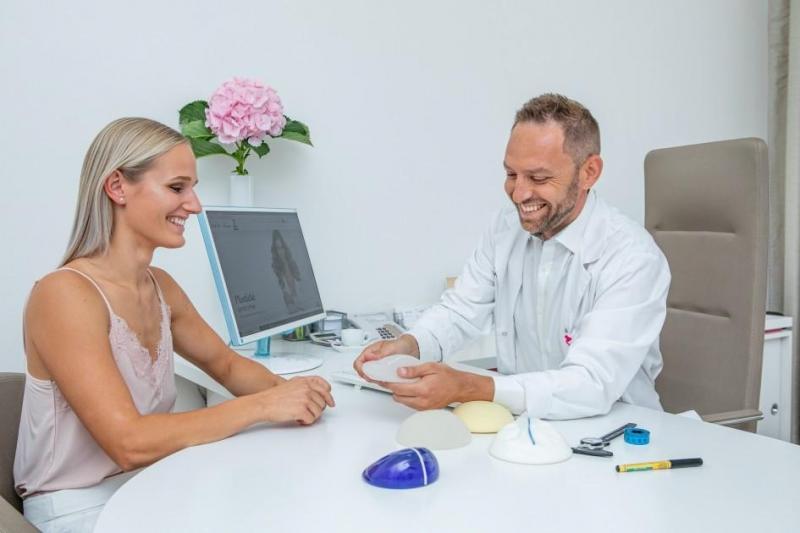
Breast enlargement with silicone implants is one of the most popular cosmetic surgical procedures pursued by some women to increase breast size or improve symmetry and shape. The procedure involves the insertion of an implant, usually filled with silicone gel. The type, size, shape, and method of insertion are determined by the surgeon based on the body's anatomy and the desired outcome of the patient.
Despite the popularity and technological advancements in breast implant surgeries, they still require a thorough medical evaluation and clear discussion regarding potential benefits, expected results, and possible complications. The U.S. Food and Drug Administration (FDA) emphasizes that breast implants are not lifetime devices, and the likelihood of needing implant removal, replacement, or additional surgery increases over time.
What is Silicone Breast Enlargement?
Silicone breast enlargement is a surgical procedure that requires placing implants within or behind the breast tissue to enhance size, shape, and fullness. These implants are made of cohesive silicone gel in varying degrees, differing in size, shape, thickness, and surface type. The appropriate choice depends on current breast size, tissue amount, chest shape, skin elasticity, and desired result.
Types of Breast Implants
Various types of breast implants exist, chosen based on individual circumstances and surgical recommendation.
Silicone ImplantsThese contain silicone gel within a silicone outer shell. Widely used in breast enhancement procedures, they come in different sizes, shapes, and features. They typically maintain their form once placed, though the final feel and appearance depend on the implant type, placement, and the natural tissue covering them.
Saline ImplantsThese contain sterile saline solution instead of silicone gel. If rupture occurs, the saline is generally absorbed by the body, although the implant may require removal or replacement.
Differences Between Silicone and Saline Implants
The primary difference lies in the filler material: silicone gel for silicone implants and sterile saline for saline implants. The choice depends on multiple factors like age, breast tissue, desired result, implant size, placement, and patient preference after consulting with a doctor.
Choosing the Right Silicone Implant Size
Choosing the correct implant size is pivotal and should not be based solely on images or patient preference. Surgeons evaluate factors like chest width, breast tissue amount, skin elasticity, implant placement, and patient aspirations. The use of measurements or trial samples may help patients visualize potential outcomes.
Possible Risks of Breast Enlargement with Silicone
Like any surgery, there are potential risks involved with breast enlargement surgery. These include pain, swelling, bruises, infections, scarring, sensory changes in nipples or breasts, and implant rupture among others. The FDA notes common complications like capsular contracture, reoperation, implant removal, rupture, pain, infection, asymmetry, scarring, and wrinkling.
Conclusion
Silicone breast enlargement is a popular surgical option for enhancing breast size and symmetry. Success relies not only on the implant size but also on choosing the appropriate type, placement method, surgeon expertise, patient anatomy, and realistic expectations. It's crucial to understand that breast implants aren't lifetime devices and may require surgical intervention due to complications like rupture, capsular contracture, infection, asymmetry, or additional surgery. Thus, decisions should be made post consultation with a qualified surgeon, involving implant-specific information, risk-benefit discussions, and long-term follow-up plans.